Some failures come down to bad luck. Everton's deadline day was different: it came down to process, or the lack of one.
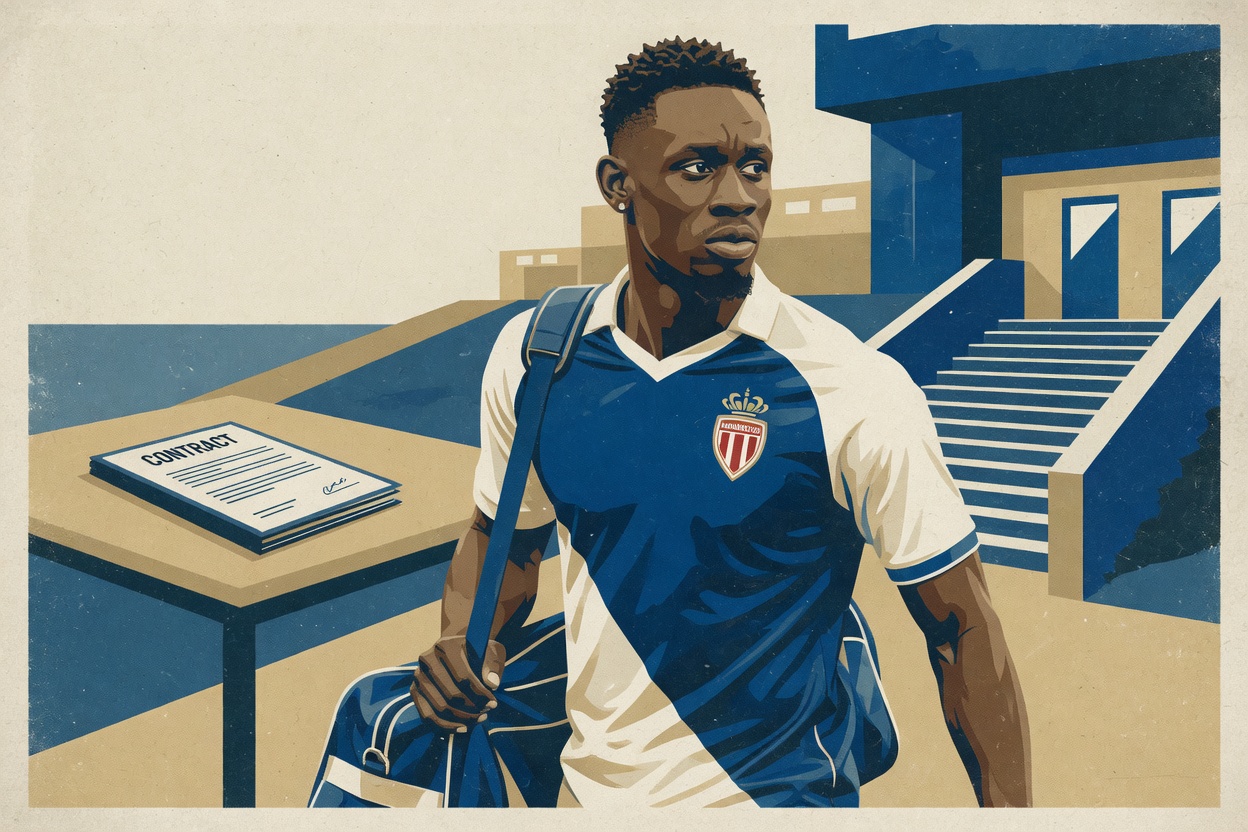
Start with what actually happened, because the early framing has already been revised. Folarin Balogun's move from Monaco, put at around £40 million (figures varied by a few million depending where you looked), didn't die because a scan turned up something scary. According to Monaco sporting director Thiago Scuro, the deal was agreed, Balogun flew to Merseyside, and then, in his words, "around 7 p.m. we had a call from Everton raising questions on the medicals of Balo, which for our medical staff, the personnel staff of the player, made totally no sense." The two clubs renegotiated terms, leaning more on appearance-based incentives. Then, per Scuro, "Everton realized there was no issue and decided they were ready to sign the contract."
So Everton raised a red flag, then lowered it themselves. That's the detail worth sitting with: not a genuine physical problem killing the transfer, but a club creating enough doubt around a healthy player that he stopped trusting them.
And here's where it gets worse, because both clubs and Balogun signed a Deal Sheet before the 11 p.m. deadline. The paperwork was done and confirmed independently. Everton had their striker on paper. Then Balogun called it off. Scuro relayed the player's reasoning at a press conference: "Balogun's allegation is that I'm not feeling well because of the way the club treated me. I'm not feeling well because Everton's medical department raised doubts about my future or my health. I have nothing [no fitness or health issues], so I'm not comfortable signing a long contract here."
You can quibble with a player walking away from a signed deal sheet over a matter of feelings. But the feelings didn't come from nowhere. Everton manufactured the discomfort.
The Zirkzee thread turns a fumble into something closer to self-sabotage. With the Balogun deal wobbling, Everton made a late loan approach for Manchester United's Joshua Zirkzee, a package worth around £10 million that United turned down flat, feeling it came too late and wasn't worth it. Fine, a backup plan is a backup plan. Except one version of events has the Zirkzee approach as the very thing that rattled Balogun, who felt the club was going behind his back to line up a replacement while he was still their target. Everton's camp disputes that, insisting Balogun "misunderstood" the approach and that they weren't shifting their attention elsewhere. Both versions can't be fully true, and it's not settled which one is. But the common thread holds across every telling: a player, mid-transfer, starts to believe his prospective employer can't be trusted. Whether that belief was fair or a misread hardly matters when the outcome is the same. A club shouldn't leave its No. 1 target guessing.
The ripple effects make it worse. Believing the Balogun money was coming, Monaco pulled the plug on selling midfielder Lamine Camara to Chelsea, reasoning they only needed cash from one sale. When Balogun's move died, Monaco kept both players and didn't raise the money they wanted. Everton's chaos ended up costing more than Everton. It left three clubs and two deals in the wreckage.
Now look at what Everton were left holding. Beto's sale to Fiorentina, along with the departures of Nathan Patterson, Iliman Ndiaye and Tim Iroegbunam, all happened within a couple of hours of one another on the final day. That leaves Thierno Barry as the club's one recognized striker, with wide options like Tyrique George or Tyler Dibling only usable as makeshift nines. The safety nets failed too: Tammy Abraham turned down an approach because he wanted to stay at Aston Villa. So a club that spent the window thinning out its forward line ended it without the striker it had built the plan around, and without a fallback.
The most damning verdict came not from outside media but from Everton's own supporters. The Everton Fans' Forum issued a statement that reads like a direct indictment of the ownership's central promise: "For years, supporters have been told that chaos of the previous regime would not be repeated. We were promised a more professional, structured and sustainable approach to recruitment. So we have to ask: Where is the planning?" They added that "these are not minor administrative issues. They are failures that directly affect the strength and competitiveness of the first-team squad and the options available to the manager." When your own fan group is making the professionalism argument for you, there's not much left to debate.
A few things are still unresolved: Balogun's next club, how Monaco squares things with him, and David Moyes's standing. On the manager, treat the noise carefully, since this is pundit speculation, not reported fact. Steve Bruce, asked whether Moyes might walk, said, "I don't think he will walk, because he's got such an affinity with Everton." For a little perspective, an early-season model had Everton's relegation chance at just 9.55 percent as of September 2, so this isn't yet a table crisis. It's a credibility one.
Everton didn't lose Balogun to a richer suitor or a genuine injury. They lost him to their own handling of a routine snag they themselves decided was nothing. A club that can't get a signed deal sheet across the final hours of a window has a problem no striker was ever going to fix.