Football is still America's favorite sport, and it's quietly rotting from the bottom up. Gallup's new poll, released in September, has football on top by a country mile at 31%. That's also the lowest it's registered since 2001, well below the 43% peak the sport hit in 2006 and 2007. The crown is safe for now. The foundation is cracking.
One number should keep the NFL up at night. Among adults aged 55 and older, 38% name football as their favorite. Among 18-to-34-year-olds, it's 20%. Same poll, same month, nobody can wave this away as a quirk of how the question was asked. Older Americans still love football the way they always have, while the kids are shrugging. When your most devoted audience is also your oldest, that's a demographic problem with a kickoff time.
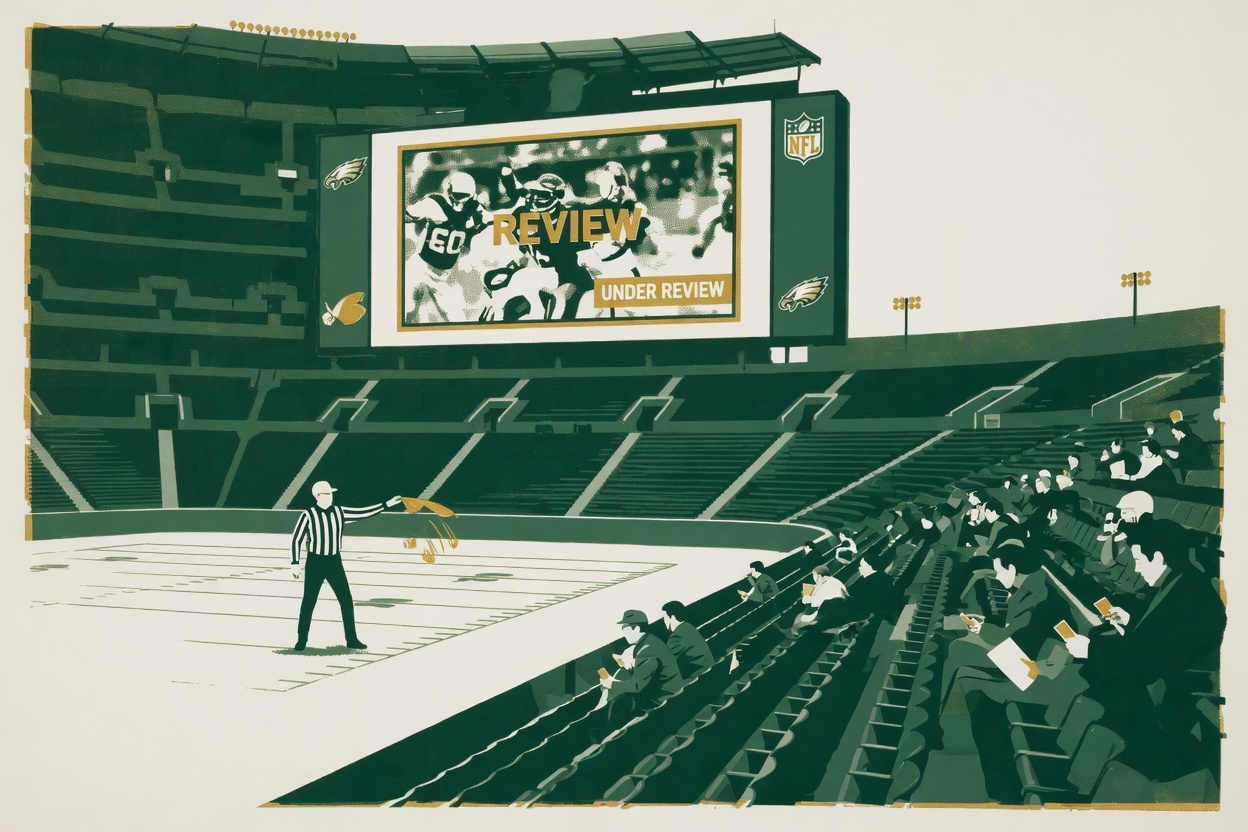
So why is the giant shrinking while baseball and basketball sit roughly where they've been? Start with the broadcast itself: it's a slog. A three-hour window for a sliver of actual football, stuffed with flags, measurements, and replay officials squinting at a monitor to decide whether an elbow grazed a blade of grass. Older fans grew up on it and will sit through anything. Younger viewers, raised on a phone that offers something more interesting every eight seconds, will not. The weekly, must-watch scarcity that made the NFL a juggernaut only works if the product inside the window rewards your patience. More and more of it doesn't.
Now look at who's climbing. Soccer hit 9%, the highest Gallup has ever measured for it, and it's breathing down the necks of basketball at 11% and baseball at 10%. Before 2005, soccer never cracked 2% in this poll. That's a generation that grew up watching the Premier League on a laptop and treating the World Cup as appointment viewing. The survey ran in August, right after the World Cup on home soil, which surely gave soccer a bump. But Gallup also points out that football's 31% is low even for an out-of-season reading. The World Cup flattered soccer. It doesn't explain why football is below its own off-season average.
Comparing a 2026 phone poll to a 1937 one is messy. The industry has changed, the methods have changed, and a single-favorite question undersells how many people follow three sports at once. None of it rescues the NFL. The comparison that matters is sitting in the same room: young adults and their grandparents, answering the same question in the same weeks, giving wildly different answers.
Baseball doesn't fit a cozy "everything's holding steady" story either. It averaged 18% through the mid-1990s and has averaged 12% since. It already took its beating, decades ago, and has leveled off at the bottom of the hill. The sport looks stable now because it already lost most of what it was going to lose. Football shouldn't envy that model; it's a warning about where this ends up.
The league is responsible for football's slow leak. It turned a fast, violent game into a stop-start television product optimized for ad breaks and officiating reviews, and assumed its grip on America was permanent. It still has the biggest crown in American sports, but it's giving the next generation plenty of reasons to walk away.