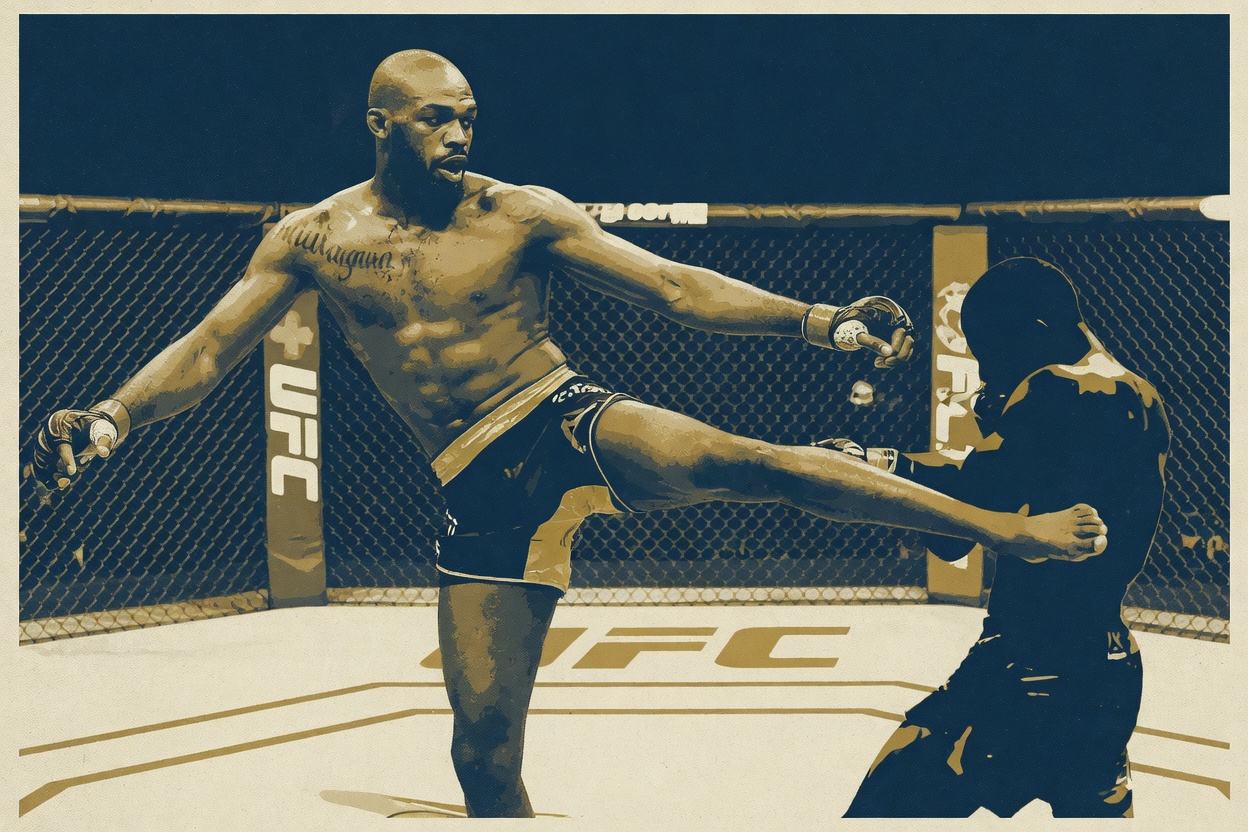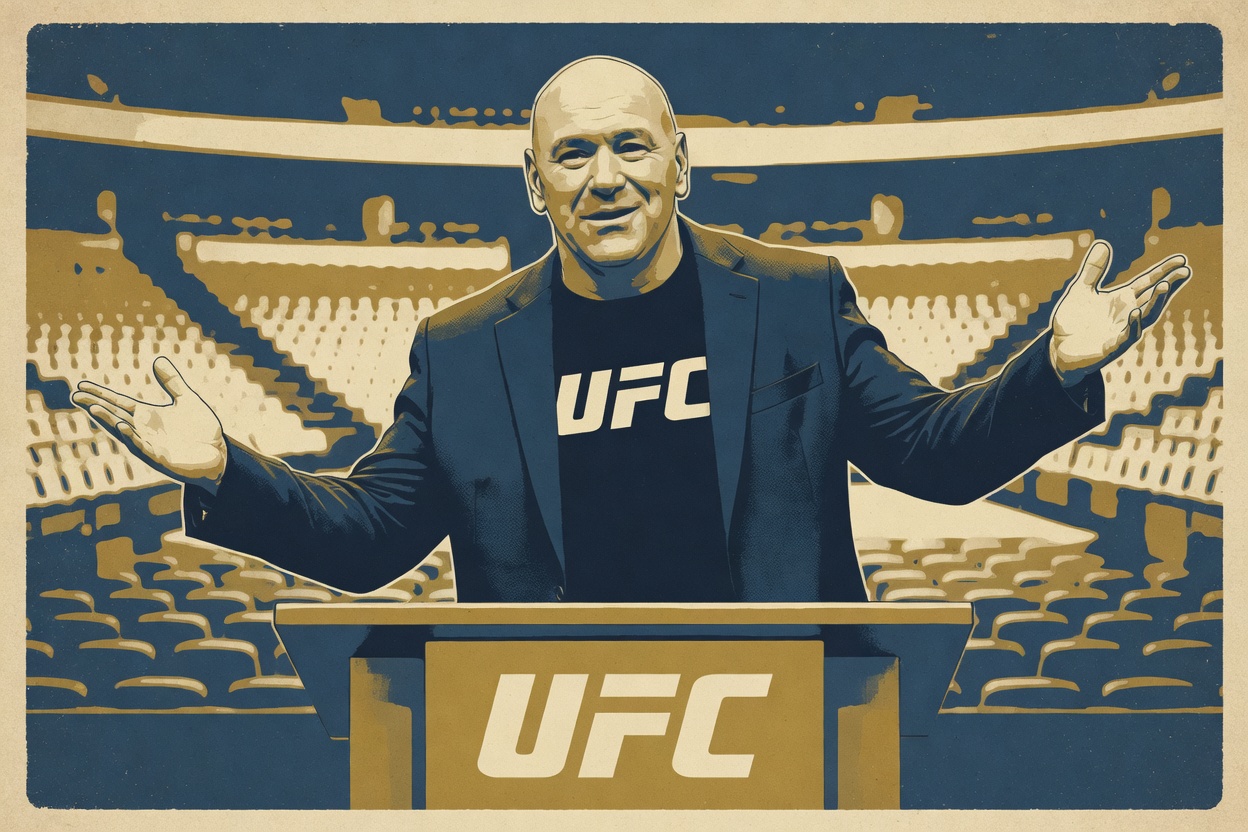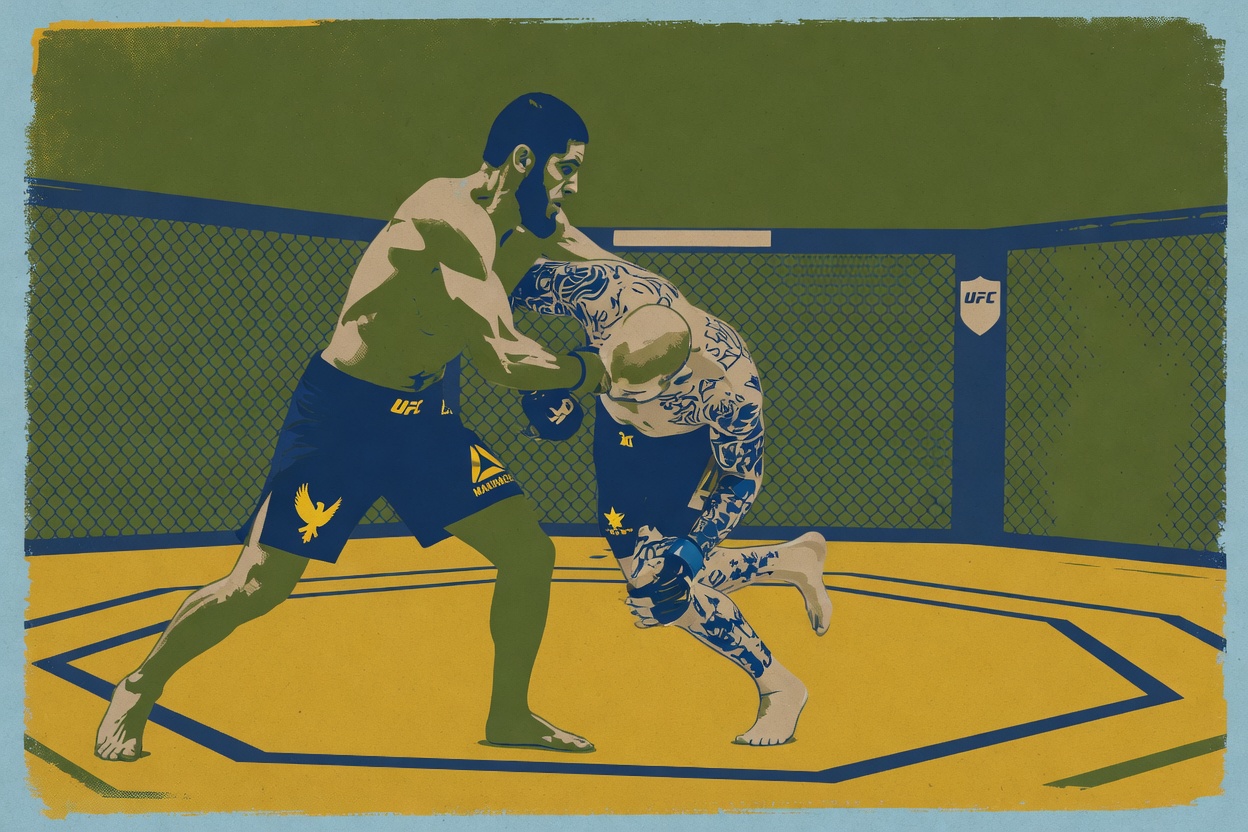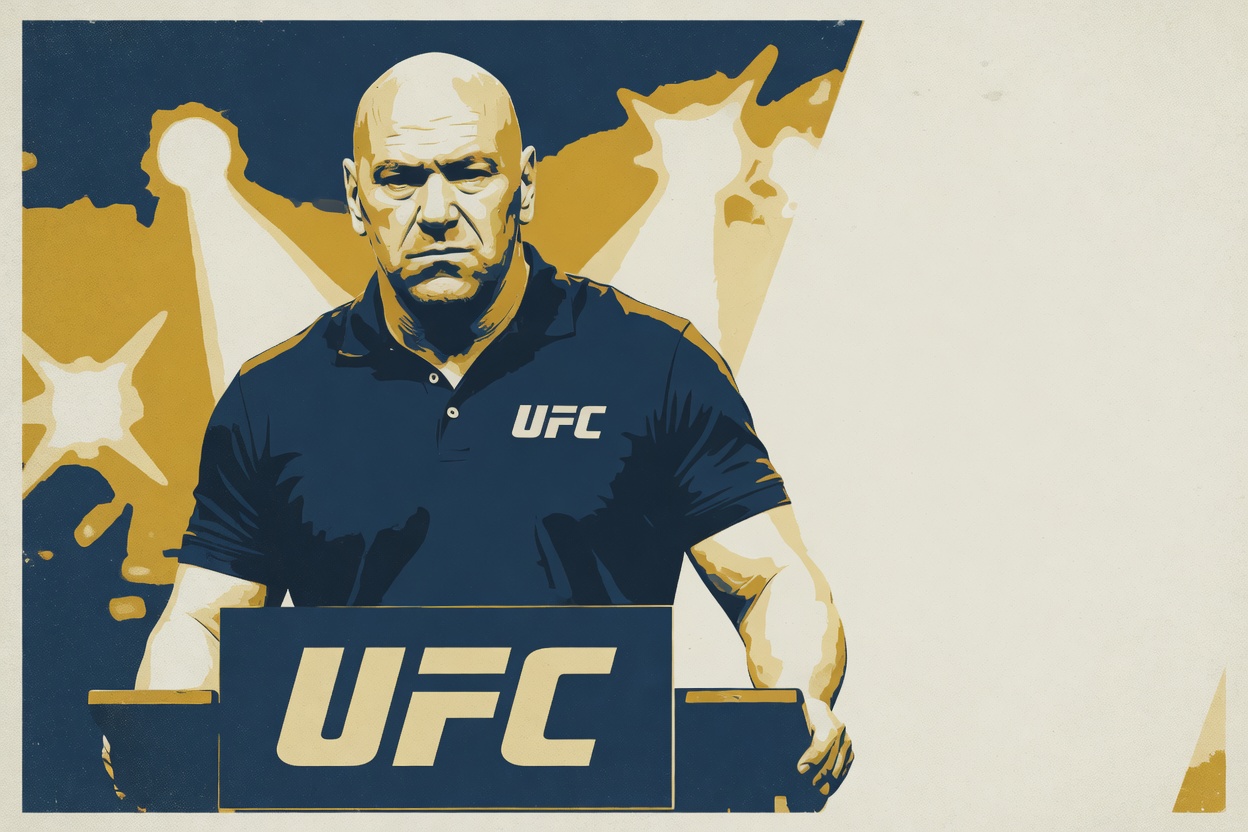
On Tuesday, a crypto casino called Gamdom, owned by German entrepreneur Felix Romer, published an open letter to the entire UFC roster offering $10,000 a month to every fighter who signs on. A gambling site is now publicly more generous to fighters than the company pulling $1.1 billion a year to put them on television. Gamdom clearly has its own angle here. The UFC still walked straight into this one.
The pitch is blunt. Ten grand a month is roughly what a fighter at the bottom of the card makes to show up for a single bout, so Gamdom is essentially offering everyone a guaranteed fight purse every month whether they compete or not. The company says the door is open to the whole roster, from debutants to champions: "Our offer is straightforward: $10,000 a month to each fighter who joins Gamdom through this initiative. We welcome conversations with fighters and their representatives across the roster." Run the math on a roster that size and you land in the tens of millions of dollars a year, around $120,000 per fighter.
Then there's the catch. Buried in the announcement is a disclaimer that the sponsorships are "an independent Gamdom initiative. Sponsorships are subject to agreed terms, applicable requirements and existing contractual obligations." Translation: Gamdom is promising nothing to anyone who hasn't signed, and existing UFC and apparel deals could legally block most fighters from taking it anyway. The offer is about 48 hours old, no fighter has been confirmed as signed, and the UFC hasn't said a word. We've seen this movie before, too. A crypto outfit inspired by Joe Rogan's dog once promised to help fighters with their pay, and its website later went dark amid reports that some fighters never got paid. Skepticism is the correct starting position.
There's a darker worry underneath it. A gambling company cutting monthly cheques to the athletes whose fights it sets odds on is a conflict of interest waiting to be tested.
All that, and I'd still tell a fighter to take the cheque if it clears. These are people absorbing brain trauma for a living, with careers measured in a handful of good years. They work for a promotion that has fought hard to keep their wages down. If a casino wants to hand them guaranteed money the UFC refuses to, the deal with the devil is the smart play. The risk is real; so is the mortgage.
The heat belongs on the UFC. Paramount is paying the promotion $1.1 billion a year under a seven-year deal worth $7.7 billion, which began in 2026. Middleweight champion Sean Strickland went public with a pay dispute on October 7, saying money has held up his return, and he's reportedly skipped the promotion's final numbered card of the year over it. The specific purse figures floating around are disputed, but nobody disputes what happened next: Nassourdine Imavov offered Strickland $500,000 out of his own pocket, and Khamzat Chimaev offered him $1 million to fight outside the UFC entirely. When fighters are passing the hat for a champion, the business model is broken.
A crypto casino with a hedge-everything disclaimer managed to look like the fighters' best friend in a single afternoon. It only worked because the UFC left the chair empty. The company sitting on a billion dollars a year could make an offer like Gamdom's look quaint tomorrow. It just won't.