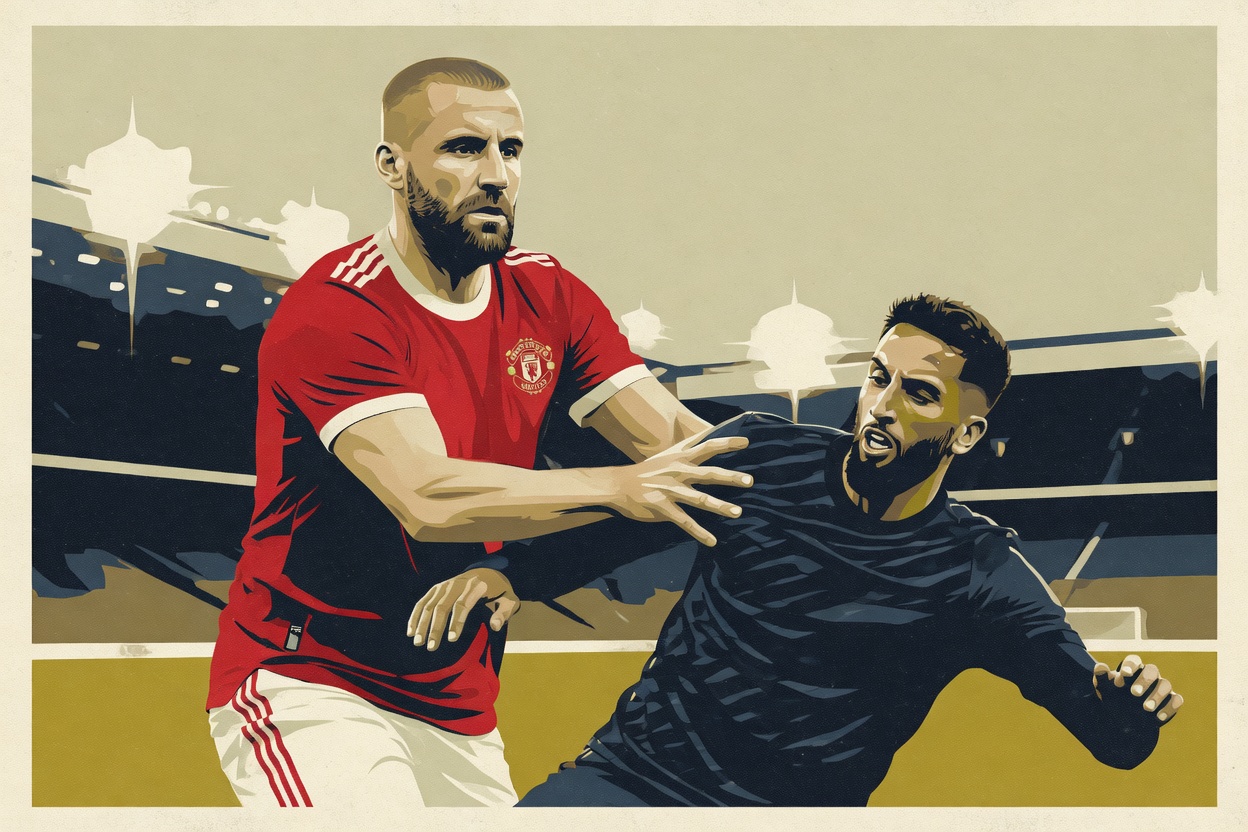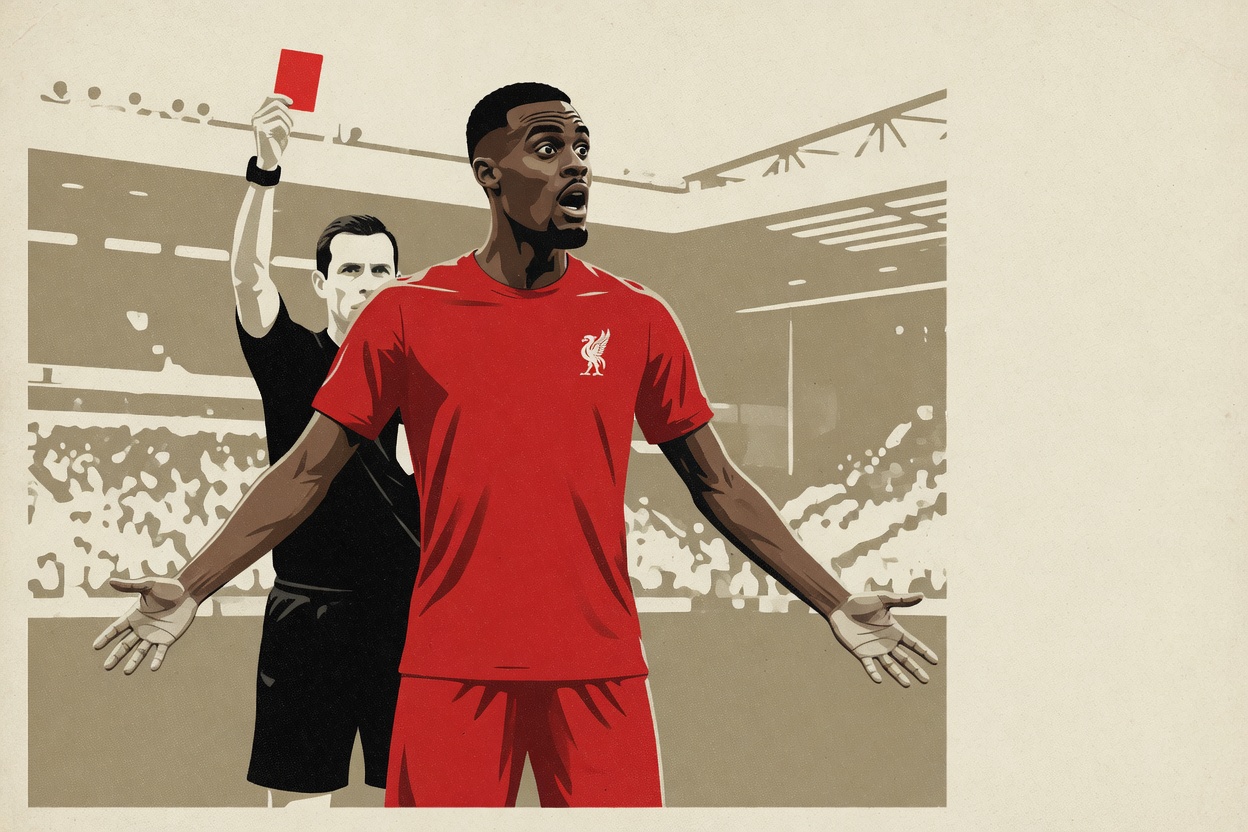
Ryan Gravenberch's red card was two separate decisions, and only one of them was a disgrace. The second yellow, a late challenge on Jeremy Doku with a man clean through, is a booking in any game you'll ever watch. Even Sky's own coverage accepted the Dutchman could have no complaints for catching Doku late. Two yellows make a red. Chris Kavanagh applied that bit of the law correctly, and nobody with a straight face can tell you otherwise.
The scandal is the first yellow. That's the one Andoni Iraola went after on camera, and he was blunt about it: "I think the first foul of Ryan is never a yellow card, never." He added that it was "in the middle of the pitch, no danger there." Other voices backed him up. Micah Richards called it soft and said he didn't understand how it was a yellow. Roy Keane flagged question marks over the cards and noted City took advantage. Daniel Sturridge said flatly that the game changed on the red card and that before it, the match was very even.
The numbers back them up. Before Gravenberch walked, Manchester City's xG sat at 0.16, a dead afternoon. Then Kavanagh booked a nothing foul in the middle of the park, and fifteen minutes later that booking became a red. Three minutes after the sending-off, Erling Haaland scored. Haaland, Doku and Rayan Cherki all scored inside a sixteen-minute spell. Final score: 3-0, Liverpool's first league defeat of the season. But the game ended the moment Gravenberch picked up a second yellow built on a first that should never have existed.
The referee is to blame here. Gravenberch didn't deserve to be walking a tightrope for an innocuous foul in the first place. Liverpool's players don't deserve the blame either. Neither do City, who did what good teams do with a spare man: they smelled blood and went for the throat. You can't boo a side for finishing a chance you gave them. Kavanagh's job was consistent game management in the opening minutes of the second half. He blew it. The standard he set for a 47th-minute non-event had nothing to do with how these games are normally reffed.
Gravenberch is still the one who stuck a boot in late on Doku when he was already booked, and that's true enough. A player on a yellow has to know the margins have vanished. But that only holds if the first yellow was earned, and it wasn't. You can't demand perfect caution from a player over a caution that was itself a mistake. The mistake compounds.
Liverpool collapsed, and that's uncomfortable for Iraola. Going a man down shouldn't mean conceding three in sixteen minutes at home. Iraola's own framing almost admits it, splitting the day into two games, one until the red, one after. City were better with the extra man, fair enough. A team should be able to lose 1-0 or scrap for a point after a sending-off. Liverpool fell apart instead. That's on him and his bench.
None of it touches the referee's bill. This was City's first league match since an independent commission found them guilty of serious financial breaches, a verdict the club are appealing, and Anfield let them hear about it. That has nothing to do with Kavanagh's whistle. The officiating is its own issue. A referee who can't judge a harmless midfield foul in the 47th minute shouldn't act surprised when his own inconsistency ends up deciding a game this size.