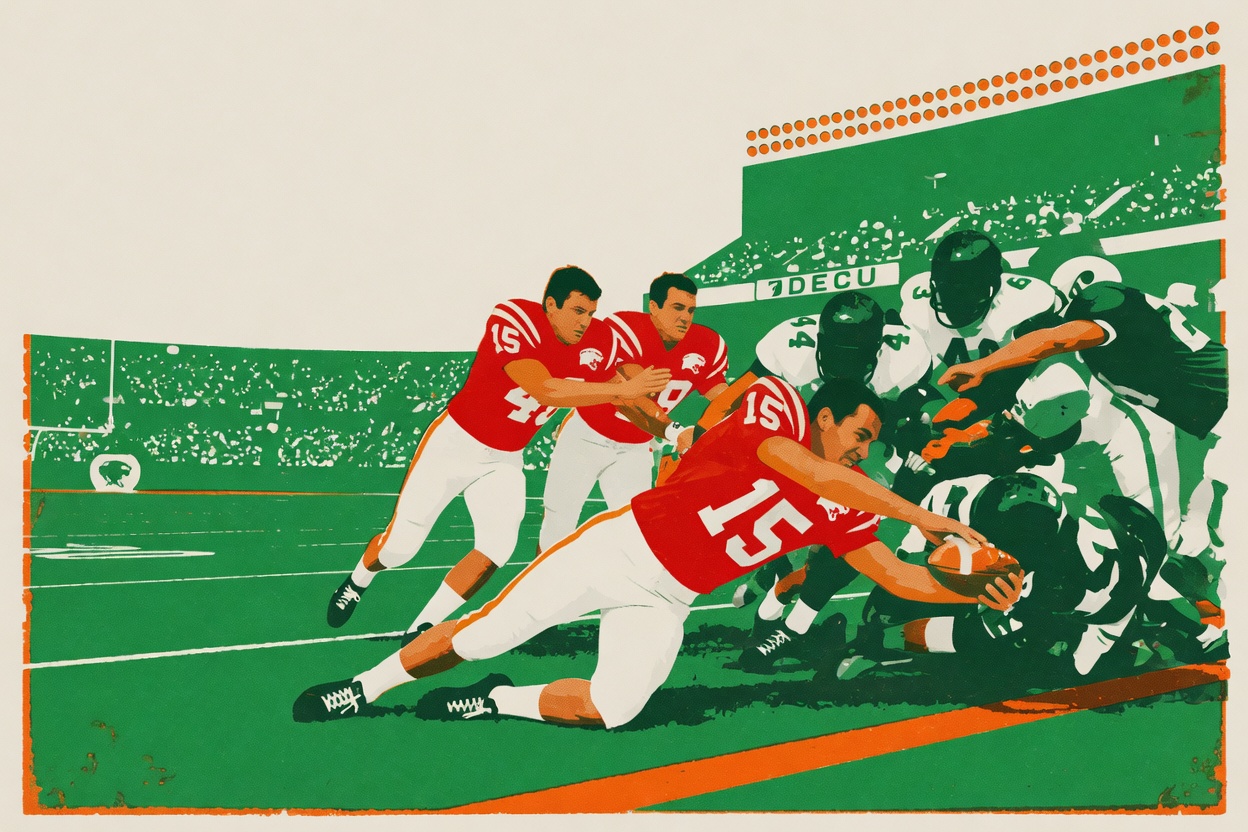
Houston won this game the way a ranked team is supposed to beat a rebuilding roster: comfortably enough on the scoreboard, uncomfortably enough in the fourth quarter that it should worry Cougars fans about what happens when the competition gets tougher.
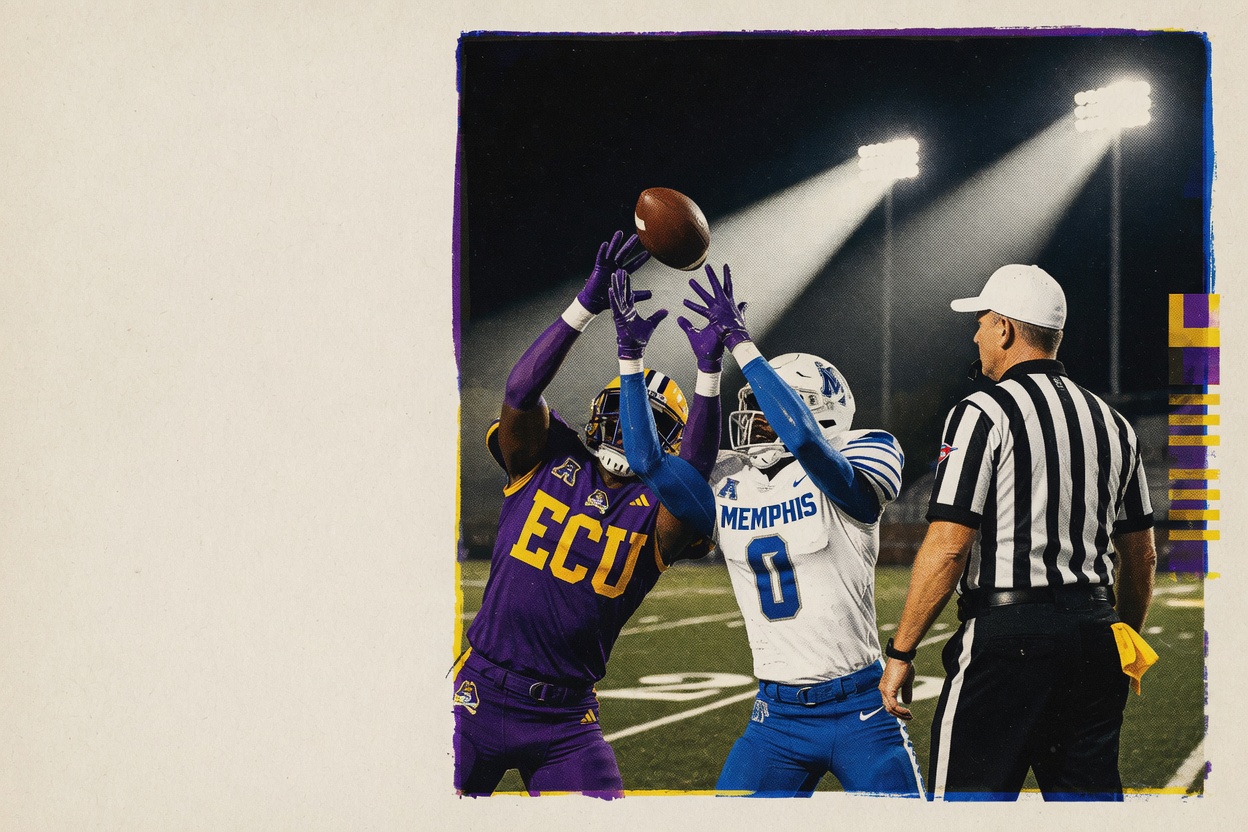
The final score, 33-20, tells you Houston did its job. It doesn't tell you Oregon State's new quarterback outplayed his billing, or that Houston needed a contested, high-difficulty catch from Amare Thomas on third-and-six in the fourth quarter to actually put this away. Both of those things happened, and the second one matters more going forward than the first.
Start with the number that should scare Big 12 opponents on Houston's schedule: 533 total yards, the most the Cougars have piled up in a game in almost three years. Conner Weigman threw for 305 yards and a touchdown and ran one in himself. Re'Shaun Sanford II and Mekhi Hughes also scored on the ground. That's a complete, balanced offensive performance against a team most had pegged as one of the weaker rosters in the country entering the season.


And yet. Oregon State, playing its season opener under new head coach JaMarcus Shephard, clawed within one score in the fourth quarter after AJ Newberry punched in a short touchdown run to make it 26-20. Houston had just thrown an interception on a tipped pass deep in Oregon State territory to open that door. Houston answered the only way a team with real Playoff aspirations should: Weigman found Thomas on a 37-yard, contested conversion on third-and-six, then sneaked in from a yard out to close it. That sequence, not the final margin, is the actual story of this game. A 13-point win over a team many wrote off before kickoff isn't nothing, but it isn't dominance either.
The bigger takeaway from Saturday belongs to Oregon State, not Houston. Sophomore quarterback Braden Atkinson made his Beavers debut and looked far more competent than a rebuilding team's starter should. He completed a high volume of his throws for real yardage, scored on the ground in the first quarter, and moved the offense on pass-heavy drives in the second half when Oregon State actually needed points. Given that this program is coming off a rough 2025 season and a full coaching change, that's a legitimately encouraging sign, even in a loss.
I'd also push back gently on the instinct to frame this as some kind of near-collapse for Houston. It wasn't. Houston led throughout and never trailed; Oregon State got the margin to one score and no closer before Houston's offense answered immediately. Calling it a scare is fair. Calling it a meltdown is not.
Oregon State's context here is genuinely brutal. Historically, this program has struggled badly against ranked opponents, and falling by 13 to a ranked, dark-horse Houston team, with a new quarterback throwing for real yardage and finding ways to move the ball, is a defensible "good loss" for a roster this early into a coaching transition. Shephard stayed upbeat afterward, praising his team's fight and pointing to relatively clean, minor penalties compared to last season's issues.
For Houston, the lesson is less flattering. This is now back-to-back seasons in which the Cougars have needed a fourth-quarter answer to put away Oregon State, including an overtime win last year in Corvallis. That's a small sample, just two games, but it's a real pattern worth watching. A team with Playoff ambitions can't keep needing its best receiver to bail out a shaky final quarter against rosters it's supposed to beat comfortably. Against tougher competition later this season, that margin for error won't be there.