The only question in the GameDay thread with actual money behind it is simple: when Pat McAfee dangles six figures on a 33-yard kick, whose account eats the loss when someone drills it, and is there a net underneath?
The answer kills the romance a little. The "one man, his own money, every week" bit that made this segment famous is out of date. As of this season, McAfee isn't funding it alone anymore, and ESPN has let the old story keep running because it's better television than the truth.
The history is real. McAfee personally bankrolled this thing for three seasons. His co-host Kirk Herbstreit confirmed it flat out, saying on a podcast last year, "He's given over $500,000." ESPN put the full three-year figure at $6.25 million given away to students and charity. That happened.
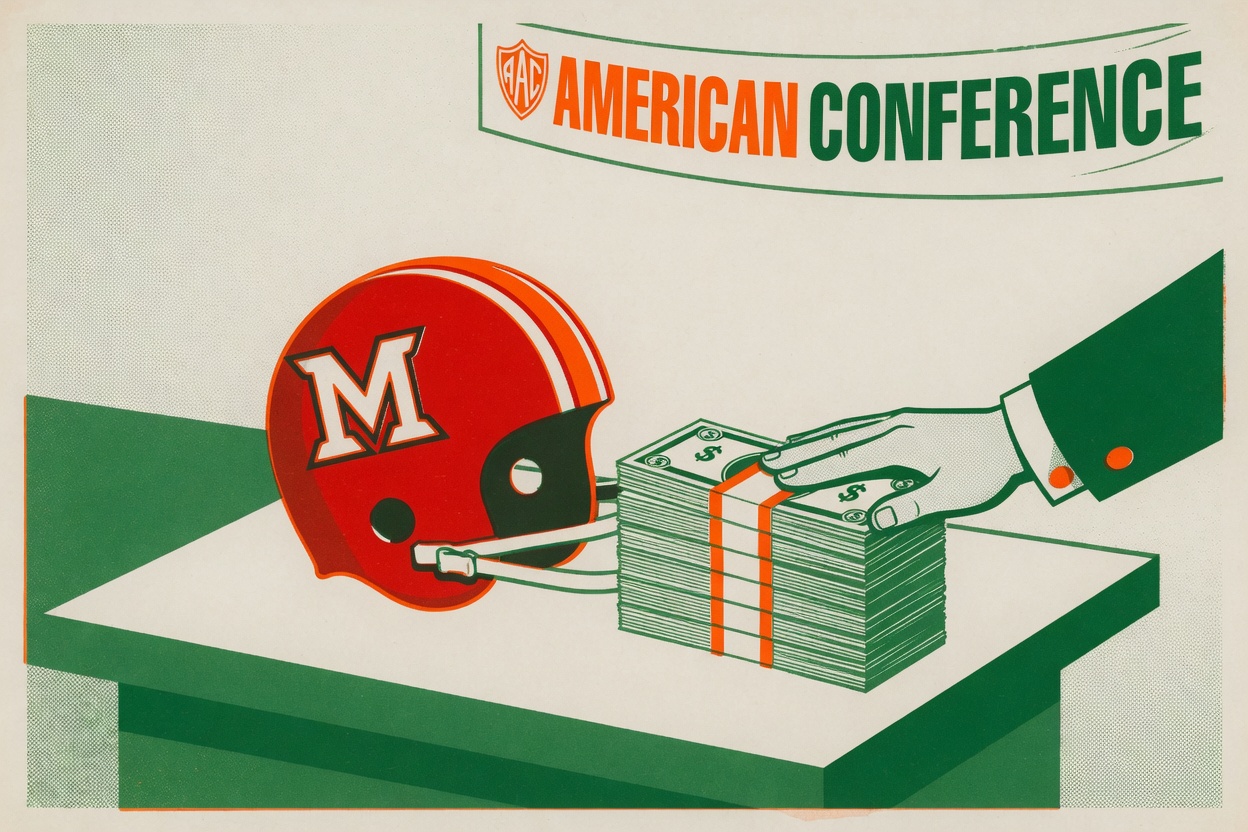
What changed is this: starting this season, Home Depot, a longtime GameDay sponsor, officially joined the contest and matches the money McAfee offers each week. McAfee said so himself when he announced it: "Usually companies don't do blank checks." So when a Texas freshman named Connor Kecena-Merrell hit a 33-yard field goal for $1.2 million this season, after missing his first try for $1 million, that payout wasn't riding on one guy's checking account. A corporate partner is writing half of it.
The version of this story people are still repeating, pure McAfee generosity with no backing, doesn't hold up against this season's own facts. There's a sponsor now, and its name is on the check right next to his.
Now, insurance. That's the narrower question people keep asking, and nobody has confirmed a policy actually exists. One writer floated the idea that McAfee or ESPN might insure the weekly prize in case it gets too big. That's a guess. What's confirmed is the McAfee-plus-Home Depot matching structure. An actual insurance policy is not confirmed anywhere. Treat that part as unknown.
ESPN and McAfee's own team are the ones who let the confusion sit. They kept packaging this as one man's personal generosity well after they quietly brought a corporate partner into the pot. McAfee's money is genuinely still in there. But the flattering half of the story gets told loudly while the boring half stays soft, and a network this size knows exactly how much an audience loves the "he pays for it out of his own pocket" myth. If fans are still fighting about this on a message board in late September, that's on the show.
It fits a bigger habit the broadcast has picked up. The pregame tribute packages, tearful and manipulative in equal measure, run on the same engine: pump the emotion, let the audience fill in the rest. The sentiment is what gives GameDay its soul for plenty of viewers, and that's fine. But sentiment shouldn't stand in for telling people how the money actually works. You can move an audience and still be straight with them.
Give McAfee his due. Handing out that kind of cash to college kids for three years, on his own dime, was a genuinely great bit. The kick itself is fine. The problem is the show keeps selling the old fairy tale in a season when the fairy tale changed. Update the story, or stop trading on the version that's no longer true.