Jeremiah Wells did the hardest thing you can do in this sport, then got asked how old he was.
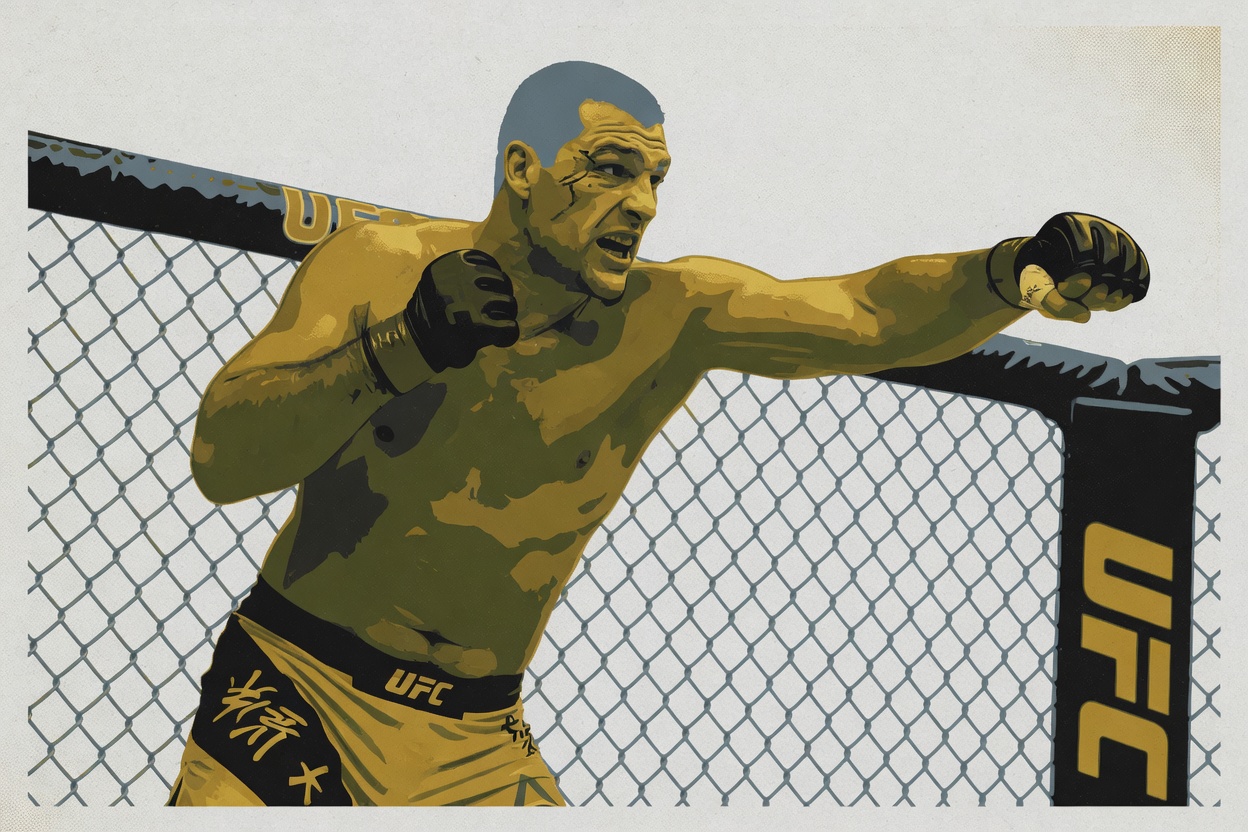
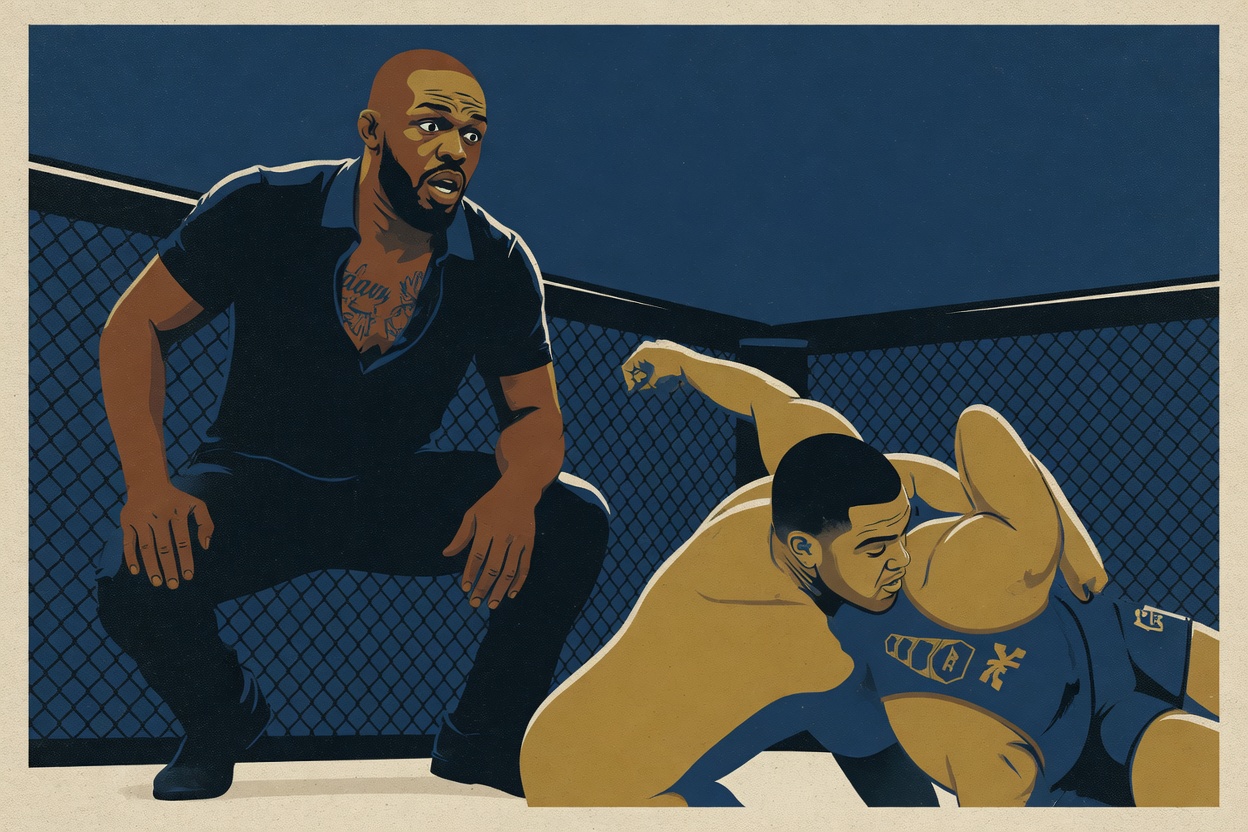
At UFC 330 in Philadelphia on August 15, 2026, Wells was losing on the scorecards against Myktybek Orolbai, a heavily favored, younger opponent some fans had pegged as a real problem for welterweight champion Islam Makhachev. Then Wells caught him, locked in a guillotine, and put him to sleep: submission at 1:24 of the third round, Orolbai out cold. Wells walked off with a Performance of the Night bonus worth $100,000.
This wasn't a lucky flurry. Orolbai (16-3-1) had never lost since moving up to 170 pounds. Wells did it in his hometown, in the building where he once worked, on the night the UFC came back to Philadelphia for the first time in seven years. More than 19,000 people were there, setting the arena's record for highest-grossing event at roughly $6.7 million. That's about as loud a case as a fighter can make on a single Saturday.
The response Wells got afterward explains why he's frustrated, and why he's right to be.
The gloves, then the walk-back
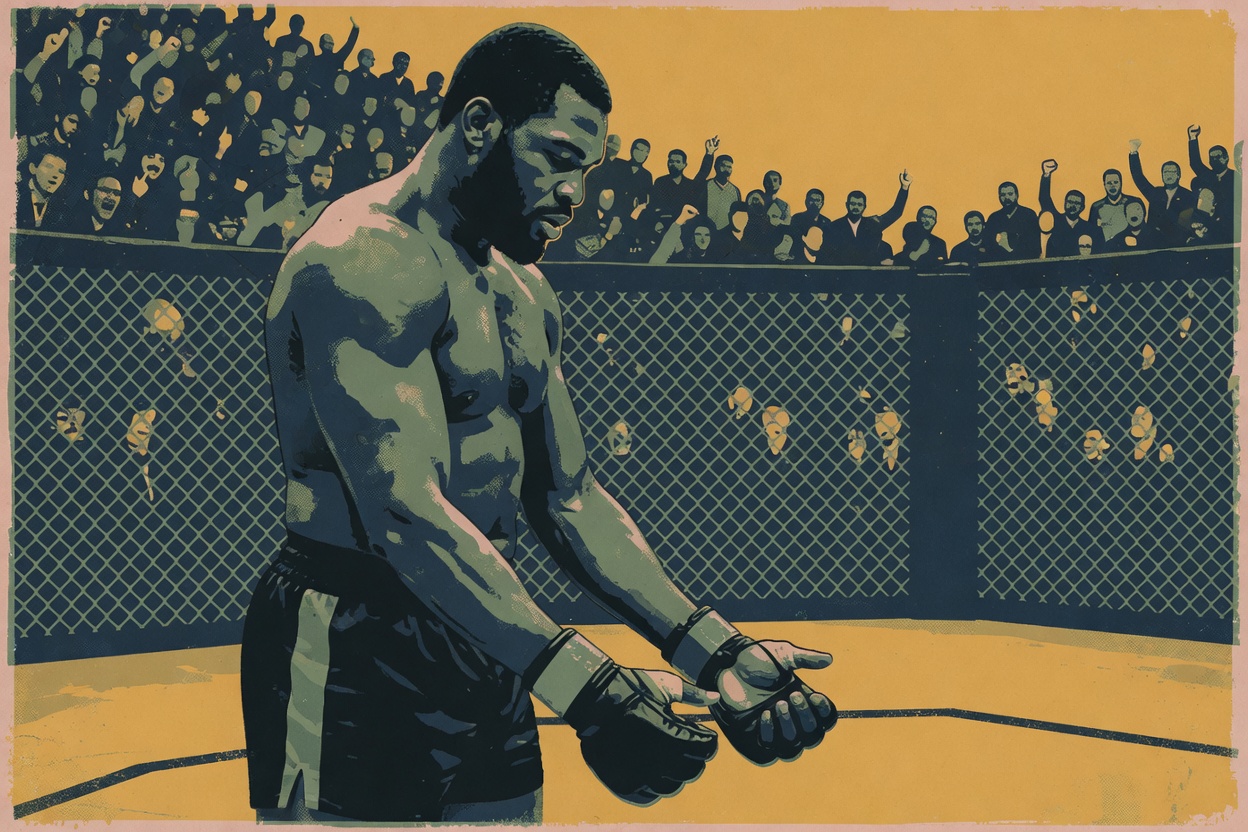
After the finish, Wells laid his gloves down in the Octagon, the universal gesture for goodbye. Then he immediately talked himself out of it. He said he might keep fighting if he cracks the Top 15 or lands another appealing opportunity. And he said the quiet part out loud.
"But if I don't go forward," Wells said, "then I don't, because I'm a talented fighter, to be honest. Just cause of my age I feel like they don't wanna promote me, or probably because I need to be talkative." He added: "But yeah man, I'm 40 almost, but my 40 is 33. I'm a different type of 40."
Wells, who was born in October 1986, turns 40 this coming October. His claim that the UFC is holding him back because of his age is his interpretation, not a documented fact. Nobody has produced anything proving age factored into a ranking decision. Fair enough. Call it what it is: an allegation from a fighter who just delivered.
Dana White reached for the number, not the win
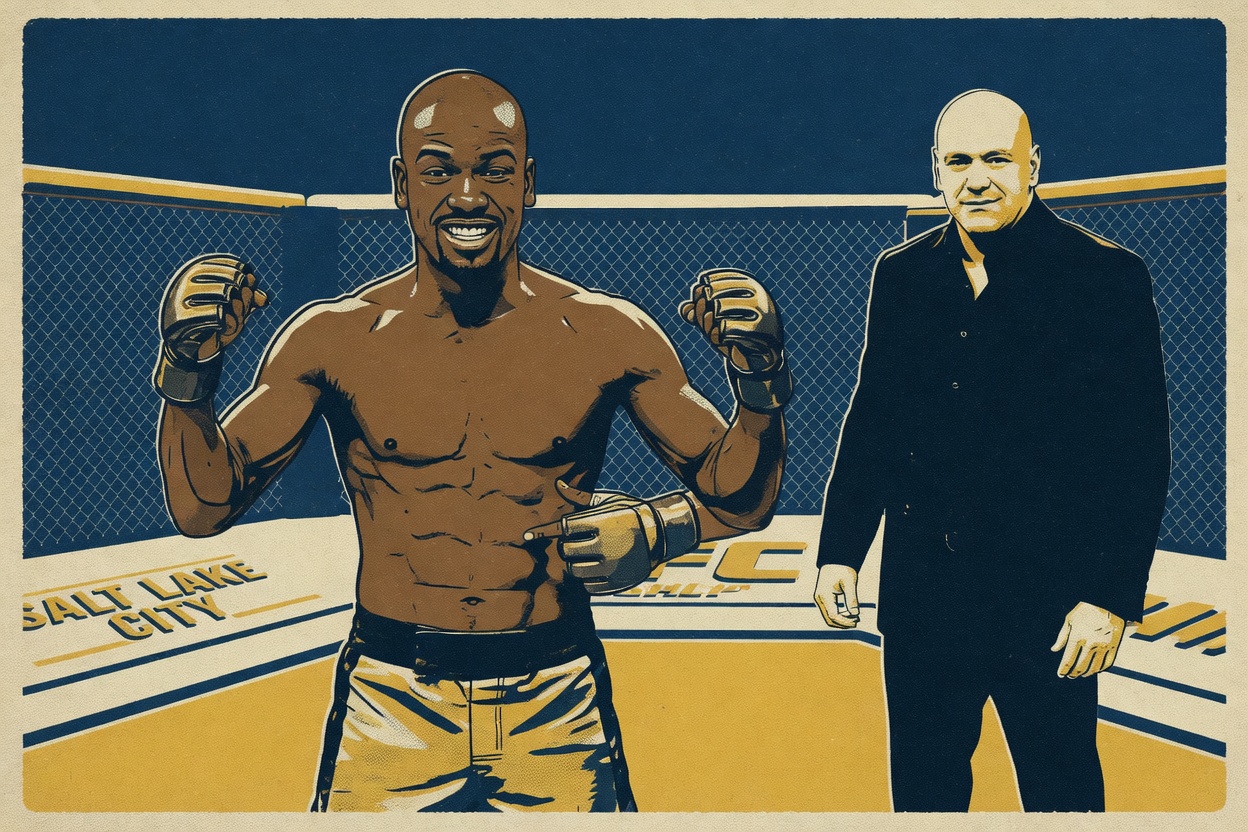
Asked about the ultimatum, UFC CEO Dana White didn't engage with the performance first. He reached for the birthday. "He won a bonus tonight too. How old is he, he's like 40? Yeah," White said, smiling and shrugging. Then the faint praise: "Tonight was an incredible win for him, he comes back here at that age, wins in spectacular fashion and gets a huge bonus, that's awesome."
The reflex says something on its own. A guy just produced one of the standout finishes of the year, and the boss's opening instinct was to note how old he is. "At that age." You can love Wells or think he's overreaching, but you can't pretend his complaint came out of nowhere. He said they lean on his age instead of his ability, and the first public reaction from the top of the company leaned on his age.
White committed to nothing. No ranked opponent, no promise. As of this writing there's no confirmed next fight for Wells at all.
The rankings aren't a lie detector
Wells set his own bar: get into the Top 15. Two days after the win, on Monday, August 17, the welterweight rankings updated with no movement in the top 15. Makhachev still held the belt, Ian Machado Garry sat at No. 1 contender, and Wells was not in the group.
"He's not ranked, so he doesn't deserve a push" is a weak verdict, for one simple reason. The UFC runs two ranking systems now: the traditional media panel that votes on the poll, and the Meta UFC Rankings, an algorithm introduced in June 2026 that weighs results, opponent strength and activity. The media poll isn't the company's to hand out. So the honest answer isn't "the rankings have spoken." The rankings are a snapshot, compiled by voters, that can move with the next booking or the next result. Nothing stops Wells from appearing in a future update, and nothing has been announced.
What the UFC can control is who it books him against. Put him in with a ranked welterweight and let the cage settle it. If he loses, fine, that's the sport. Using an opaque, still-evolving ranking process as a polite way to nudge an older fighter toward the exit is a different thing entirely.
The fair caveat
Wells' recent form is genuinely debatable, and pretending otherwise would be cheap. One way to tell it: he's 5-2 in the UFC and came in on back-to-back wins, having snapped a two-fight skid by beating Themba Gorimbo in November 2025. Another framing points to a rougher stretch and losses to ranked-caliber names like Carlston Harris and Max Griffin, and argues this was a clean moment to retire on top. Both readings are real. His record improved to 14-4-1 with the Orolbai finish.
But none of that is the point. You don't have to believe Wells is a title threat to believe the reasoning should be about what he does in there, not the year on his license. Retirement is his call to make, on his own terms, not a decision the matchmaking board makes for him by quietly declining to book competitive fights.
Wells laid his gloves down, then picked them back up and asked a straight question. The least the UFC can do is answer it with a fight instead of a shrug about his age.