Blowing a 25-point lead and losing by 17 is a result, and results like this one have names attached.
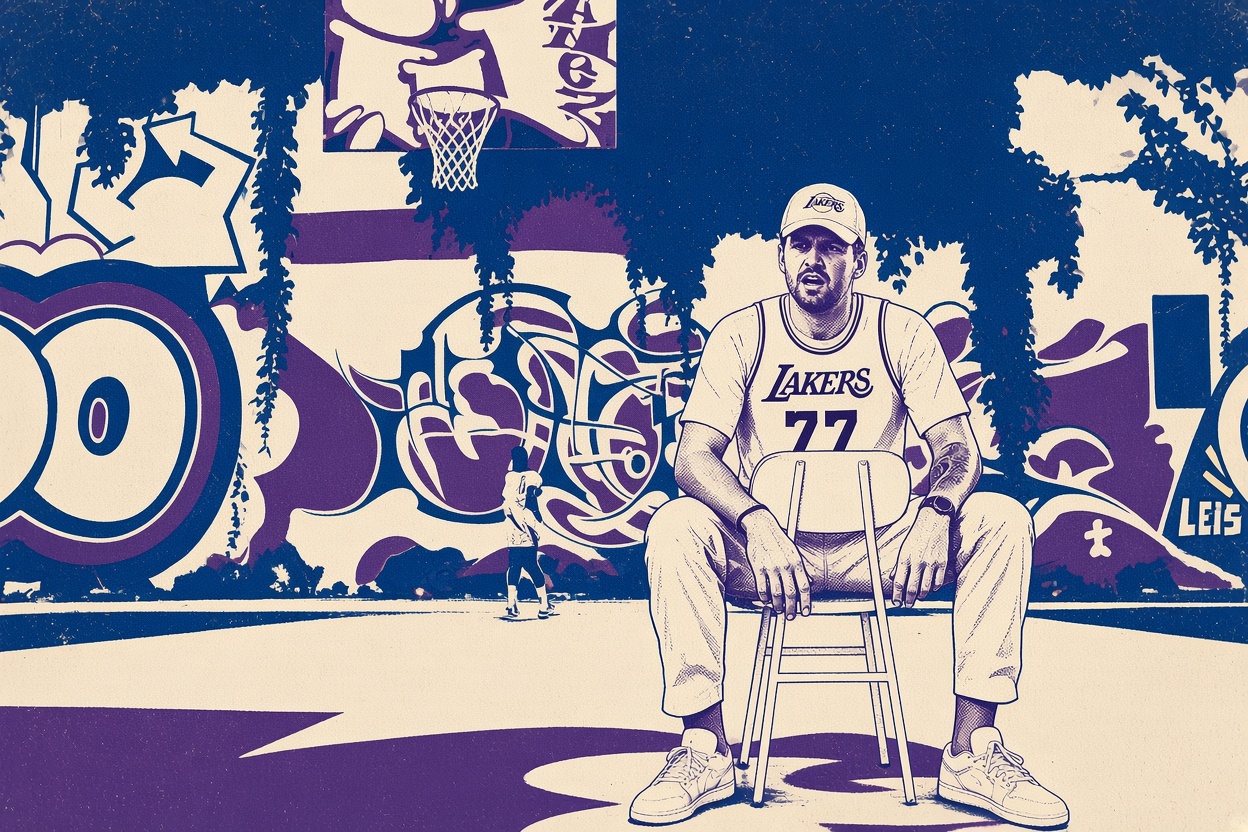
Luka Doncic had 37 points, seven rebounds and five assists, and he was a plus-nine across his 37 minutes on the floor. He was single-handedly keeping the game competitive. The issue is what happened in the minutes he didn't play. The Lakers led by 25 points at one stretch in the first half, then watched Golden State claw all the way back to tie it by halftime and pull away for good in the second half. Real depth keeps a 25-point cushion from evaporating. A team leaning on one engine to do everything loses it the moment that engine needs a rest.
Austin Reaves is the second name on this. He scored 21 points, but he also turned the ball over eight times, a game-high, and the Lakers coughed it up 22 times as a team. It was the second straight game Reaves finished with eight turnovers. A guard trusted to run the offense in Doncic's rest minutes can't give the ball away at that rate, full stop. Reaves didn't dodge it afterward, telling reporters flatly, "I was terrible again. That's it." Credit him for the honesty. It doesn't fix the turnovers.

 Rating
 Rating
Then there's the bench, which turns this loss from one bad shooting night into a question about how the roster is built. The Lakers' reserves managed seven points. Golden State's bench put up 50. That's a 43-point gap between the two benches in a game decided by 17. You can live with a superstar needing rest if the players who replace him can hold things together for a few minutes. The Lakers' reserves couldn't hold anything.
Six games into the season for both teams, and this was one ugly loss on the road against a desperate opponent. Teams blow leads, benches go cold, but that doesn't mean panic is the right response.
RTGBut the shape of this collapse matches exactly what people worried about when this Lakers roster was built around Doncic, Reaves and center Walker Kessler, with thin depth behind them. Kessler had an efficient night by any measure: 10 points on seven shot attempts, 13 rebounds, five blocks, and he still barely got the ball. If a seven-footer is converting at that rate and still sees only seven shots while the offense falls apart around him, that's a coaching decision about shot distribution that didn't get fixed in real time. JJ Redick had some pointed words for the officials after the game. Officiating had nothing to do with why a 7-foot center hitting his shots got fed the ball seven times, or why the bench scored seven points total. Those are coachable, controllable variables, and on Friday night they weren't controlled.
The game exposed a roster with one reliable offensive engine, a second ball-handler who needs to tighten up his decision-making, and a bench that can't be trusted with the game when the engine needs a breather. None of that disappears because the record still says more wins than losses through six games. Doncic can carry this team through a lot of nights. He can't carry it through a stretch where everyone around him keeps playing like Friday, and if Redick doesn't fix the rotation and Reaves doesn't fix his hands, this exact collapse is going to happen again.