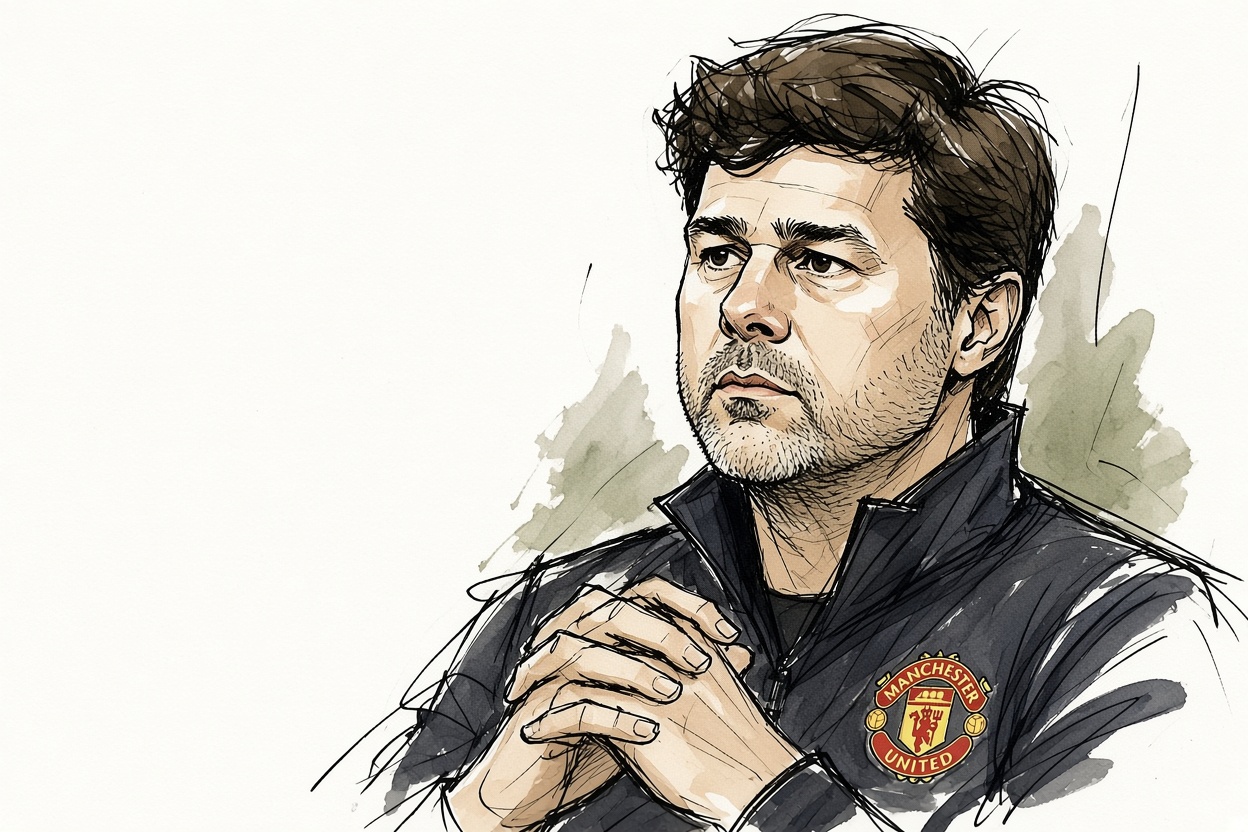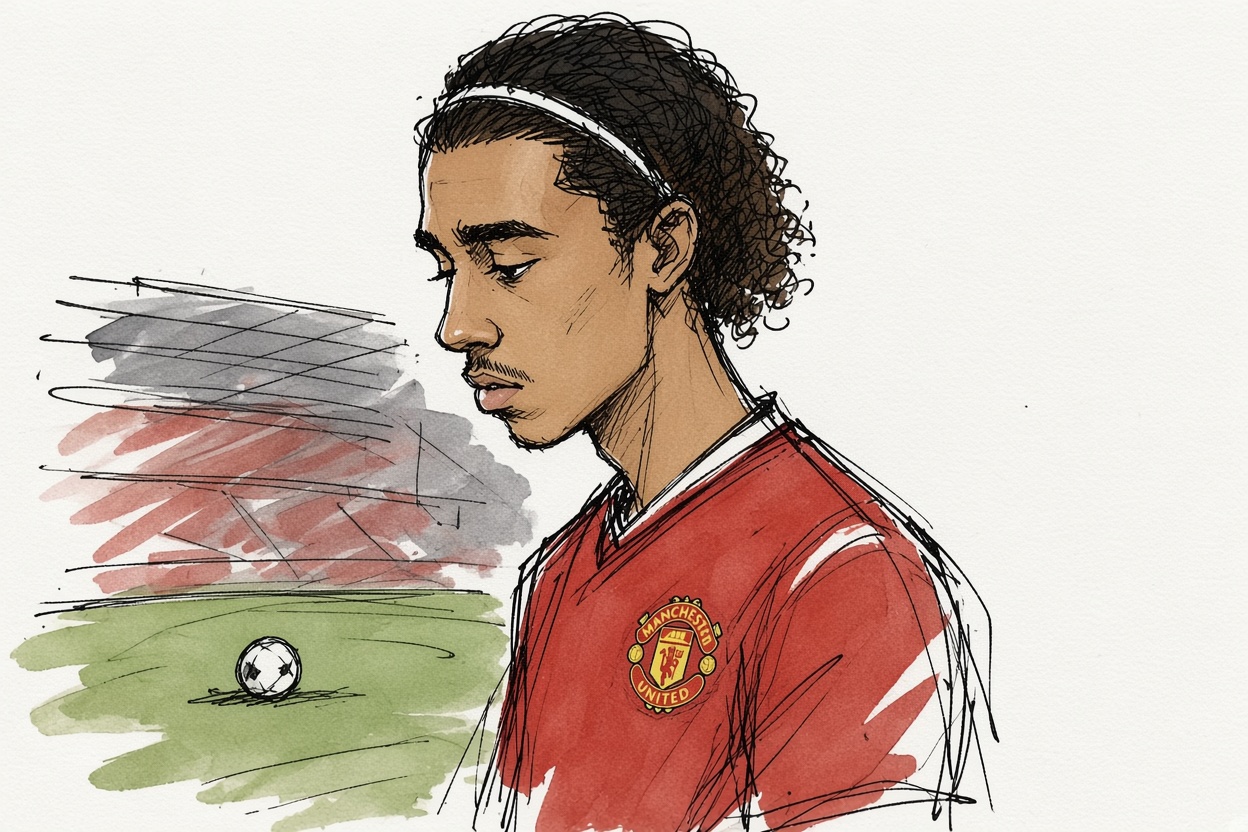
Leny Yoro's red card at Anfield is officially wrong now, and that ruling does nothing for Manchester United. The officials have bent the two biggest matches of United's season, and English refereeing has built a system where the correction always lands after the damage is done.
On Tuesday the FA put it in writing: "Leny Yoro's one-match suspension has been removed following a successful claim of wrongful dismissal." An independent Regulatory Commission reviewed the footage and decided Sam Barrott made an error when he sent Yoro off inside the opening eight minutes for bringing down Alexander Isak. Yoro can now face Brentford at Old Trafford on Saturday, which gives United a defender back for a home game. Sunday stays lost.




The red card stood when it mattered
I thought Barrott got it right on Sunday, and said so. Dermot Gallagher agreed with the on-field call too. Roy Keane and Gary Neville were split. The fight was over whether Isak had the ball under enough control for it to count as denying an obvious goalscoring opportunity, and Mauricio Pochettino argued he never did. Now the commission calls it wrongful dismissal, and the FA hasn't published its written reasons yet.
That split is the indictment. When a former Premier League referee, two pundits and a disciplinary panel can't agree whether a challenge is a red card, that challenge has no business deciding a match in the eighth minute. A sending-off that early decides the game. It needs a clear case, and this one never had one.
Bruno Fernandes called it "never a red card," then went after the machinery: "I think it's too many referees on the pitch and too many on VAR, seated, with such a long time to see and put it back, go forward, put it back, do it in slow motion, whatsoever. To make a mistake like this can change a game." He's right. A room full of officials with every replay let a contested red stand, and the only body willing to call it wrong met after the final whistle, with no power over the result.
Twice this season
This is the second one. On September 13, in the Manchester derby at Old Trafford, Erling Haaland's goal was first disallowed for offside, then VAR overturned that, even though Enzo Fernandez was in an offside position and tried to reach the ball before Haaland. City won 1-0 with ten men after Phil Foden's sending-off. Pro Ref, the referees' body, admitted the VAR "should have recommended an on-field review" and called it "an error of judgement."
The mechanisms differ: Pro Ref owned a VAR mistake the same night in September, and this week the FA's commission scrapped a suspension two days after the game. The outcome for United was identical both times: the authorities concede the mistake, and the defeat stays exactly where it was. A derby and a trip to Anfield, both bent by calls later ruled wrong. Pro Ref's officials had the tools to get both right in real time and didn't. That falls on them.
Liverpool were better. So what?
Liverpool won 4-0, with goals from Dominik Szoboszlai, Florian Wirtz, Rio Ngumoha and Victor Munoz, and they'd probably have beaten this United side with eleven men on each side anyway, maybe. But Szoboszlai's opener came straight from the free kick awarded for the Yoro foul, and United played almost the entire match a man down. Nobody gets to see eleven against eleven, because the officials took that game away before it started. "They'd probably have lost anyway" is a pitiful defence of a referee.
United's wider mess is their own. After that defeat, in Pochettino's first game in charge, they sat 19th, a point from safety, with one win from 11 league games, and the table still has 27 matches left to move. A club in that state can't absorb a bad call, and the people running Old Trafford put it there. None of that excuses a referee setting the afternoon on fire in the eighth minute.
Pro Ref has the cameras, the replays and the people. Until it can fix a wrong red card before the final whistle, every Tuesday ruling like this one is the officials congratulating themselves for spotting a mistake they were there to stop.