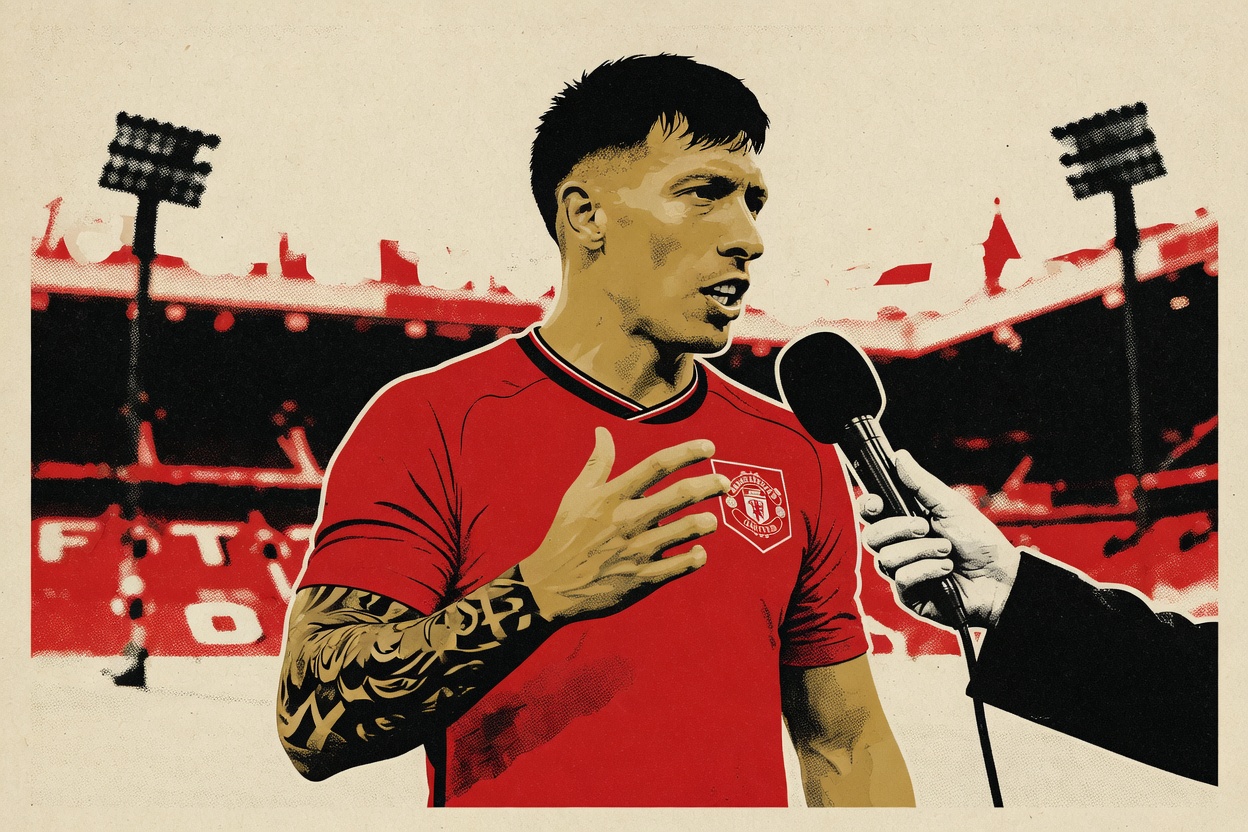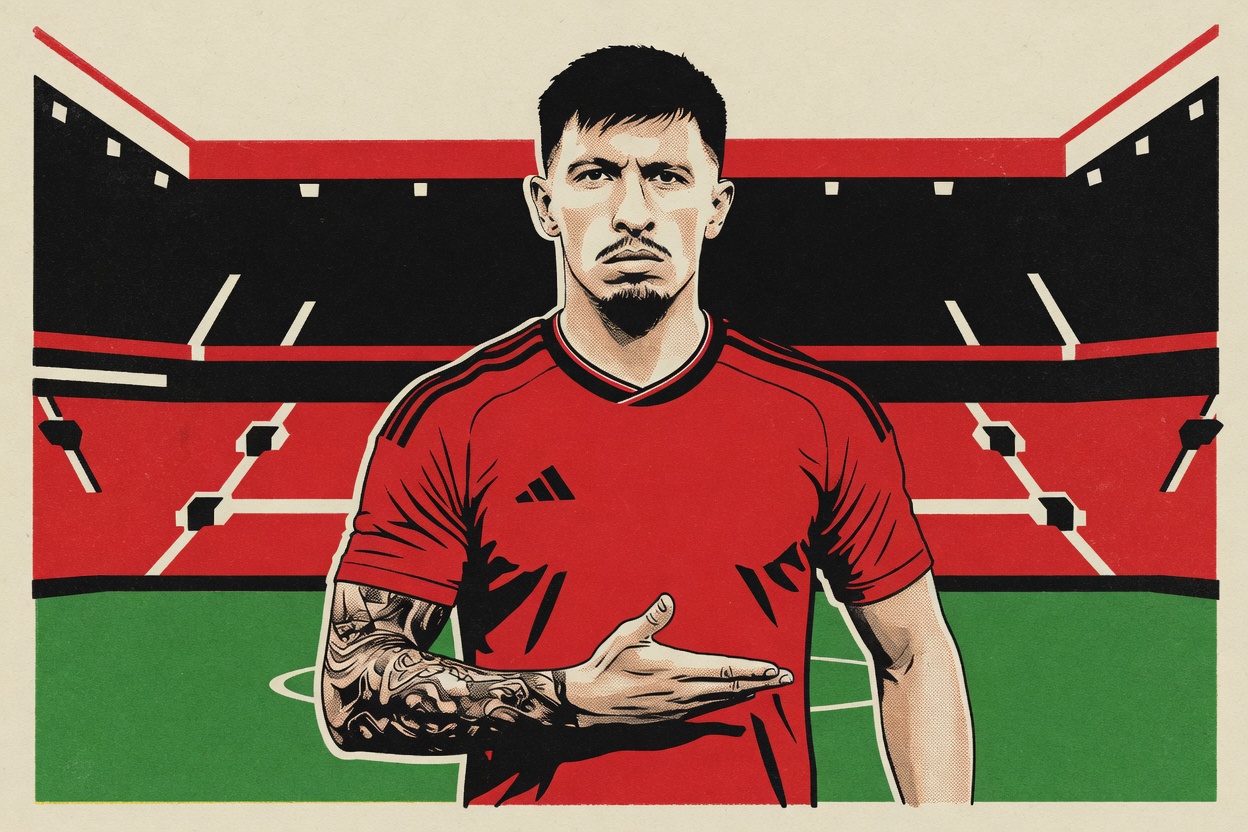
Lisandro Martínez is right, and the people most annoyed by what he said are the ones who should be squirming hardest.
After Manchester United lost 2-0 at Atletico Madrid in the Champions League, the Argentine stood in front of a camera and refused to do the thing players are trained to do, which is eat the whole blame themselves. "I expect more from our technical director; I have to be honest," he said. "I expected more investment in the summer. We keep changing managers, but what about other areas? It's easy to say the coach, the players, but we also have to see others, huh?" He called the performance "really poor" and said it was "sometimes a reflection, or mirror, of how our club is at the moment."
The pushback came fast. Wayne Rooney called the criticism excessive. Paul Scholes went at him too. The line doing the rounds is that a defender whose team is winless in five, on their worst start to a league season in forty years, has no business pointing fingers at anyone but himself. On the surface it sounds fair. A player blaming the budget is the oldest deflection in the sport.
Except this one doesn't survive contact with the facts.
United have not been starved of money. They spent somewhere near £150m in the summer bringing in the likes of Carlos Baleba, Andrey Santos and Youri Tielemans, and that came a year after roughly £200m went on the forward line. Add it all up and the club has committed north of £600m since Jason Wilcox arrived. That's not a club that can hide behind poverty. Martínez is blaming what the budget bought, and who kept buying it.
Look at the churn. United have cycled through three coaches in five years. Erik ten Hag was sacked in October 2024 after a dreadful start, with the team sitting 14th. Rúben Amorim was handed the rebuild, made noises about the squad not being good enough, and was gone too. Now Michael Carrick is being asked to go to Madrid and compete with a group that, three-plus years and £600m into the Ratcliffe era, still looks like it was assembled by committee. When the manager keeps changing but the losing doesn't, the common thread is sitting upstairs.
Coaches get fired every October. The recruitment that built the squad under them never does, because it's the one part of the operation that never gets held to the same standard as everyone else. Omar Berrada arrived as chief executive in 2024 having never held a CEO role before. Wilcox runs the football side. These are the men who decided what United's money was spent on, and they're the men Martínez named. Everyone else in this story has already been punished for the same failure, while the hierarchy keeps surviving it.
Carrick, to his credit, didn't bury his own player. He said he hadn't heard the comments, that they were probably "a little bit on the emotions of the game." Maybe. Martínez doubled down the next day anyway, which suggests it wasn't just the adrenaline talking.
The critics have a point worth answering: the players have been bad, Martínez included. A centre-back can't concede inside the first minute, go down to ten men after a red card, and pretend the dressing room is blameless. He even admitted the players need to improve. But "the players were poor" and "the people who built this squad were worse" are both true at once. One doesn't cancel the other. Treating his honesty about the board as a dodge of his own responsibility misses that he copped to both in the same breath.
He could get frozen out or shipped off for it. Clubs don't love being told the truth by their own staff, and Amorim said something similar before he was gone. If United respond to an accurate diagnosis by punishing the man who made it, they'll have proven his point better than any defeat in Madrid ever could.
The easiest thing in football is to sack the coach and move on. United have done it twice already in this stretch. Martínez just said out loud that it isn't working, and the only people who should be embarrassed are the ones who keep writing the cheques and dodging the bill.