Nobody should be telling Malcolm Wellmaker to walk away from the sport. The loudest voices saying it are the same ones who had him penciled in as a bantamweight contender a year ago, after two highlight-reel knockouts in 2025 made him look untouchable. Fandom moves fast. It crowned him on the back of a couple of finishes, and now it wants to bury him on the back of a losing run.
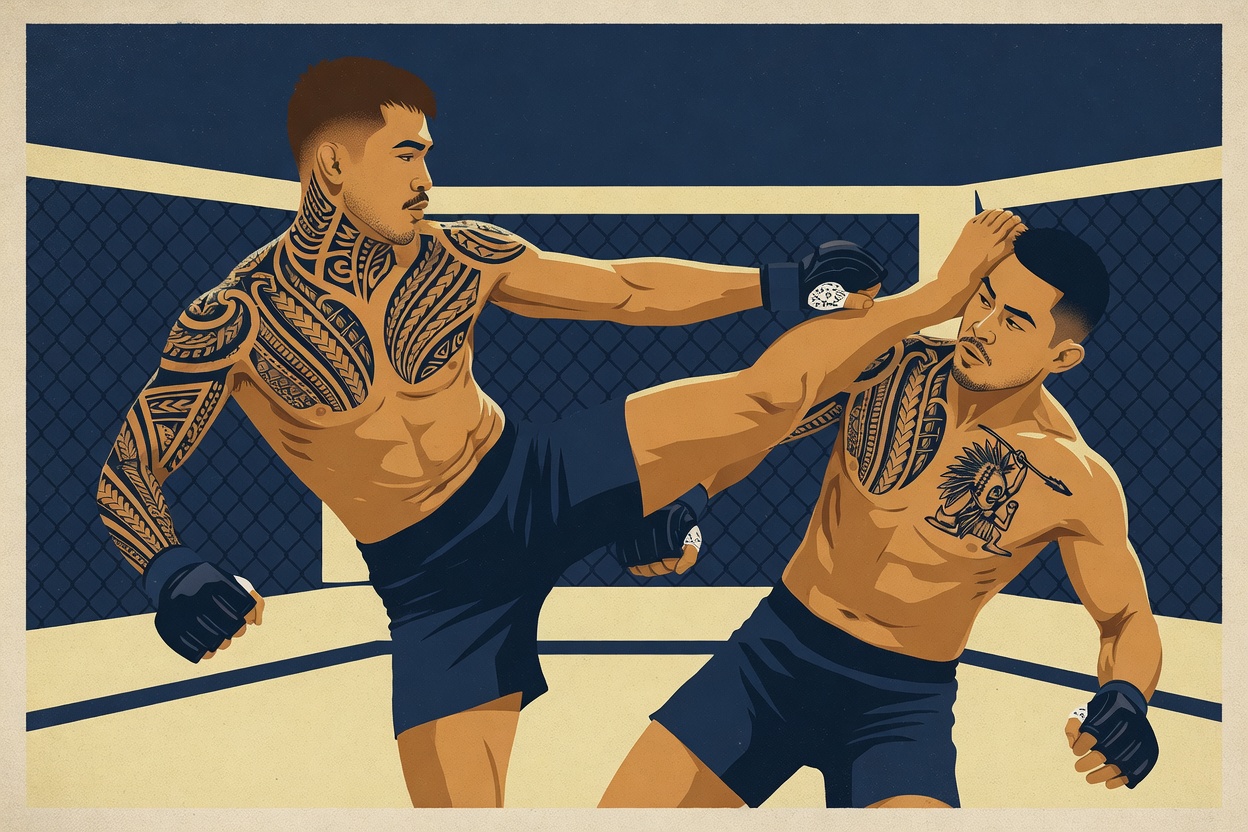
The losses are real and they're ugly. Wellmaker has dropped three straight: a decision to Ethyn Ewing, a submission to Juan Diaz, and now a second-round head kick from Otari Tanzilovi that put him out and got finished with punches. Three fights, three completely different ways to go. That's what stings, because it reads like a fighter with a leak in every room of the house.
But telling him to retire is nonsense. He hasn't adjusted, and that's the real issue. Wellmaker got to the UFC on one-punch power, with six of his ten wins coming by finish, and the scouting report on him now fits in one sentence: pressure him until he strikes back, and the chin eventually goes. He knew it himself. After the first two losses he left for American Top Team and said the defeats had exposed shortcomings in his game. This was his first fight under the new camp, and the same vulnerability showed up again, just off a foot instead of a fist this time. That's a real problem. The fix is in the gym.
The three men who beat him are serious operators. Tanzilovi looked fast and accurate and walked away with a Performance of the Night bonus; he'd clearly drilled that kick, saying afterward, "I was working this technique for a long time." Diaz dragged him to the mat and finished him there. But Ewing beat him on 48 hours' notice, in Ewing's own promotional debut, with Wellmaker still undefeated at the time. You don't lose to a short-notice newcomer because the division happens to be stacked.
This falls on Wellmaker and his corner. It's a development problem. He's 2-3 in the UFC, and the fix is in the gym.
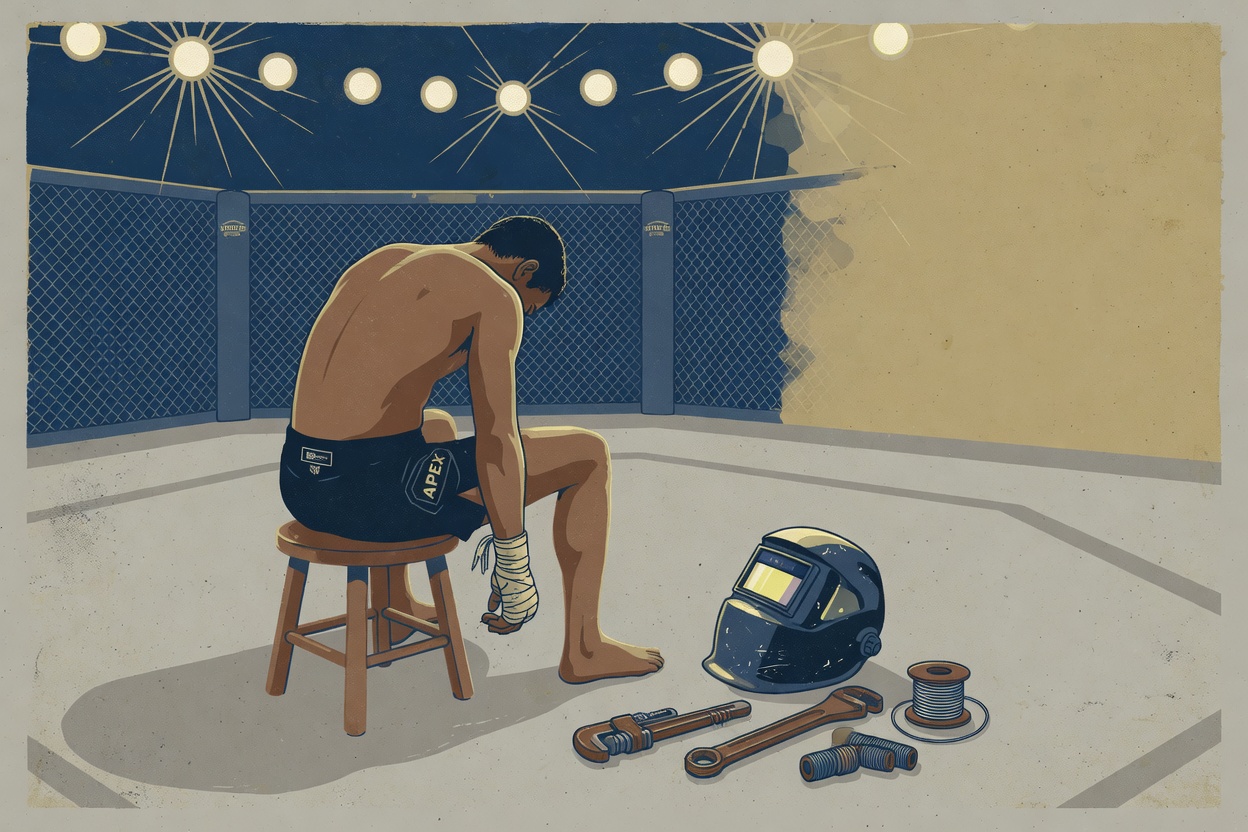
Wellmaker spent years as a union pipefitter in Augusta, working full time while chasing this, and he quit the trade the day he banked his first UFC bonus. That origin story is exactly why strangers feel comfortable pointing him back toward it, as if the trade is a soft landing he should be grateful to have. That's their comfort talking. A man who ground through an apprenticeship to get into that cage gets to decide when he's finished, and three losses to live opposition in a vicious division isn't the moment.
He needs to turn this around fast. A 2-3 fighter on a three-fight skid is on thin ice, and he knows it better than anyone with a keyboard does. Thin ice means training like his job depends on it, because it might. The walk-away talk is just the people who overrated him on the way up overcorrecting on the way down. He doesn't owe any of them a retirement to make their panic feel earned.