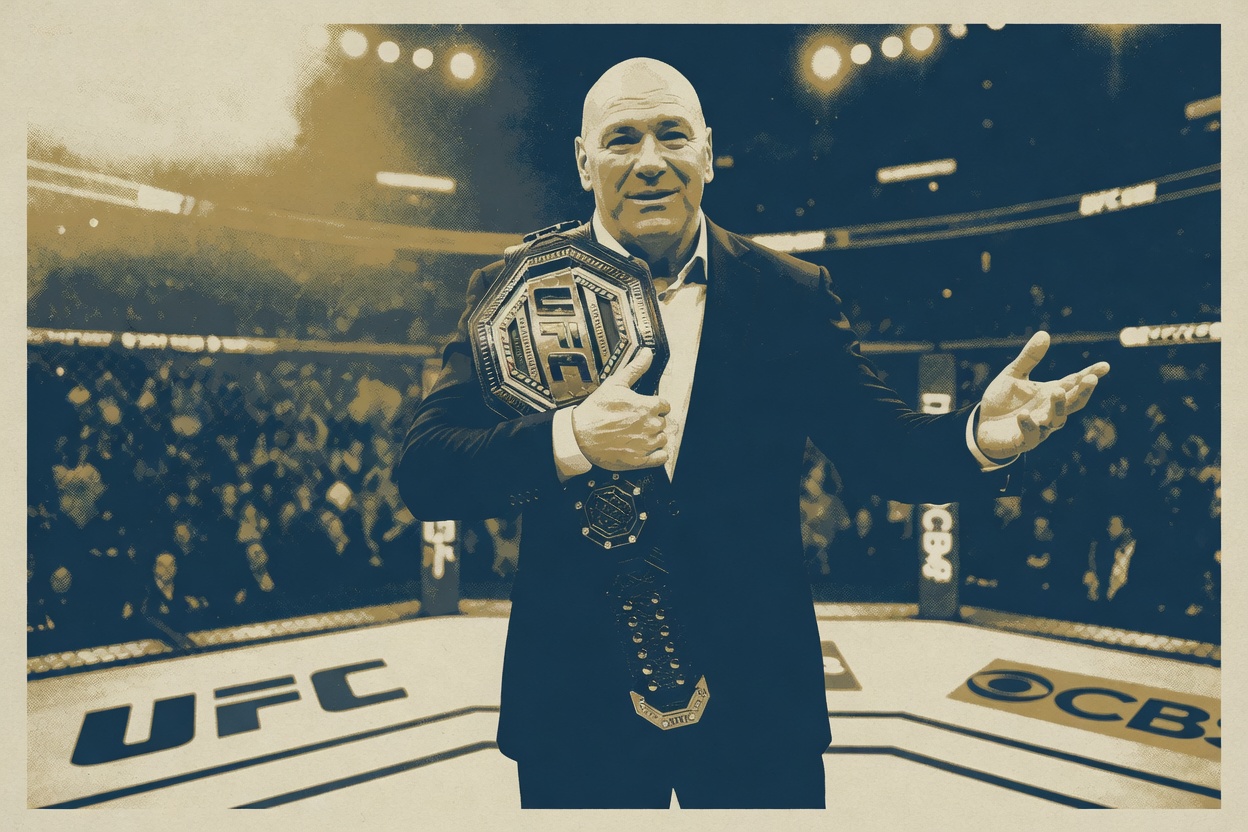
Eleven knockouts in one night, and the UFC wants you to read that as proof it was right all along. Don't. A card that ends in a stack of first-round finishes is exactly what you build when you quit making competitive fights and start making mismatches. That's what the UFC did for its big CBS debut.
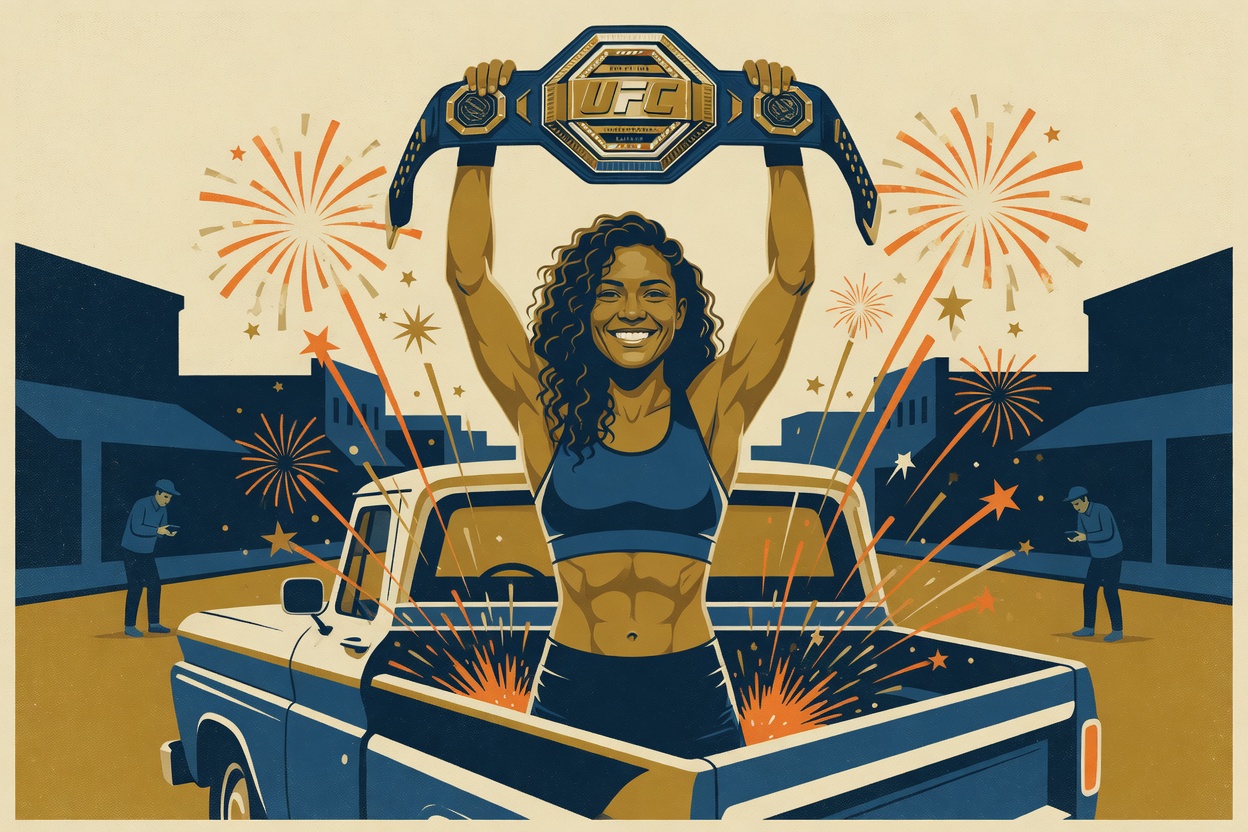
The night itself was real enough. UFC 332 landed at the Delta Center in Salt Lake City on October 3, the first time an entire numbered main card aired on CBS. It broke the record for knockouts in a single event with eleven, including nine in the first round and seven in a row. The judges only had to work three times all night. Natalia Silva beat Wang Cong by unanimous decision to take the vacant women's flyweight belt. Payton Talbott needed just over two minutes to stop former two-time flyweight champion Deiveson Figueiredo in the co-main. Esteban Ribovics flattened King Green inside a round.
So Dana White gets to walk out and tell the doubters they were wrong. The numbers are real. The question is what the numbers are measuring.
A knockout count measures how fast fights ended, nothing more. Make finishes your scoreboard and you reward booking someone who can crack against someone who can't take a crack. Seven fights in a row ending in the opening round means one fighter in each pairing was supposed to win, and did, in a hurry.
The sharpest version of this complaint landed the same week, arguing the promotion "took the easy way out" and that the violence "didn't look like a happy accident; it looked like the product of deliberate matchmaking." That's the right read. Nobody accidentally assembles a card where almost nobody survives five minutes.
MMA carries more chaos than any other sport. A fighter who looks overmatched on paper can land one shot and flip everything, so a lopsided booking stays live in a way a mismatch in boxing or tennis never does. That's true, and it actually cuts against the UFC here. If variance were doing the work, you'd have seen upsets, fights that swung late. You'd have seen the underdog land that shot. Instead you got the favorite walking through the opponent, over and over. When the chaos never shows up, the pairings were never close to begin with.
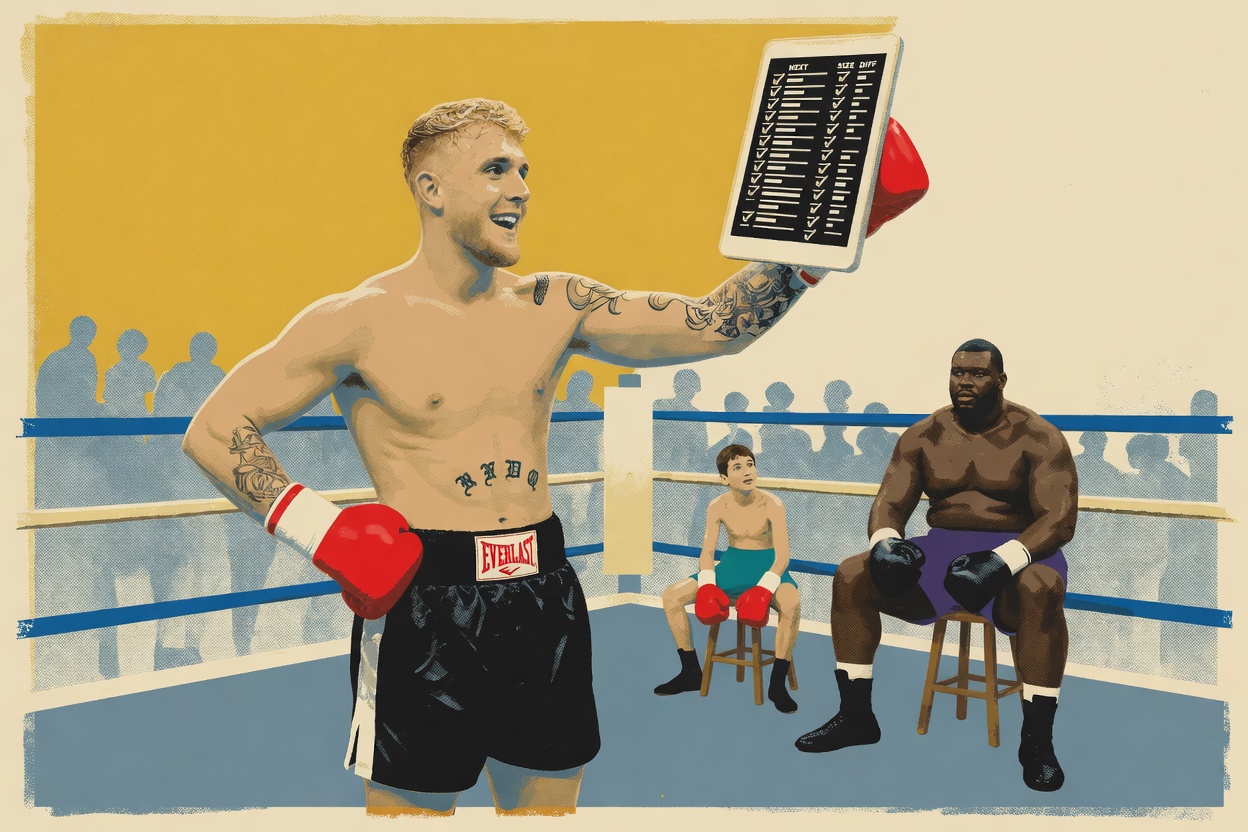
This is a choice someone made. Meanwhile Jake Paul's Most Valuable Promotions put Ronda Rousey against Gina Carano on Netflix back in May and drew millions, then merged with the PFL. "Dana, we're coming for you, baby," Paul said as that deal came together. The honest answer to that pressure is deeper cards. What showed up on CBS was a faster route to a highlight reel.
Jack Slack weighed in on October 5 with a written piece titled "Notes on UFC 332 (No Mismatches Edition)," with a podcast promised later. The title plants a flag on the other side of this exact fight, and he's the most careful technical writer the sport has, so I'll read every word before I argue with it. But a record knockout haul is the first thing anyone defending this card reaches for, and it's the weakest card in the deck.
Knockouts are easy to manufacture. Good fights aren't, and the UFC stopped bothering to try.