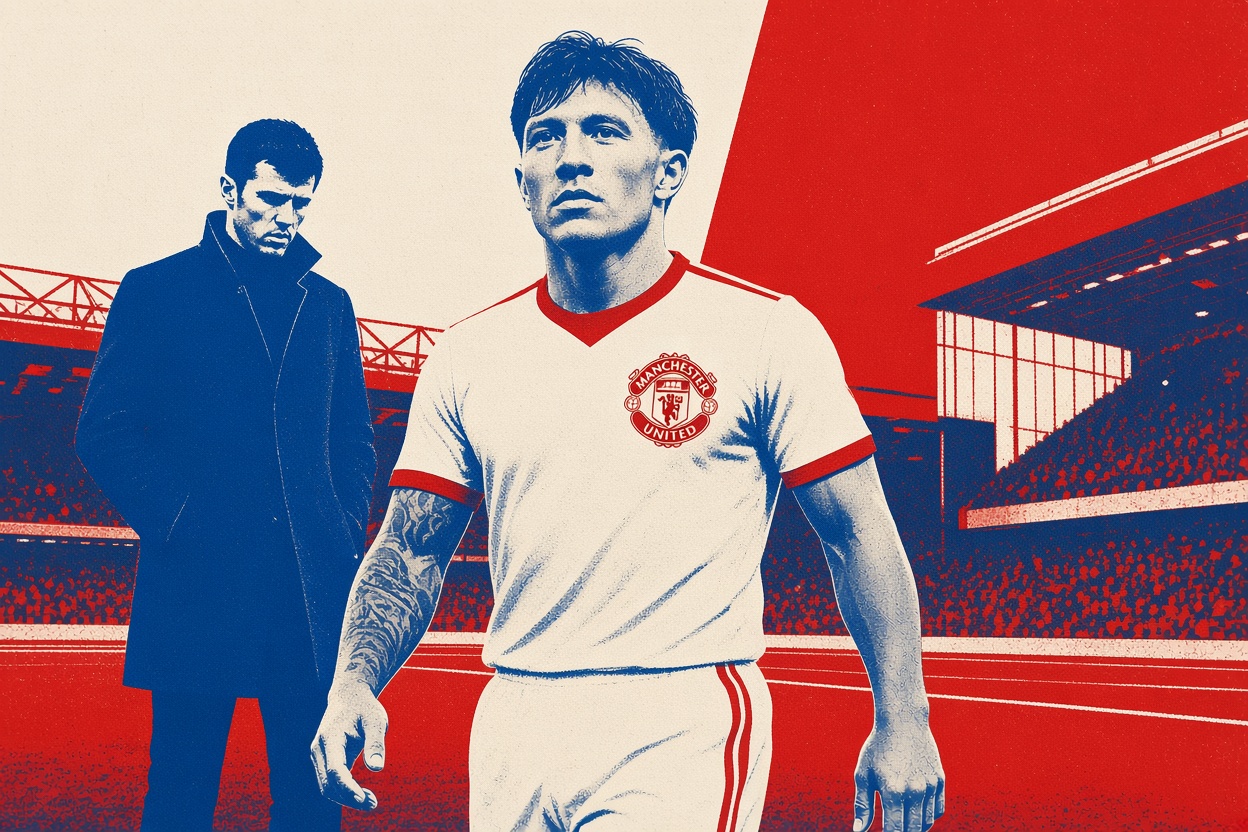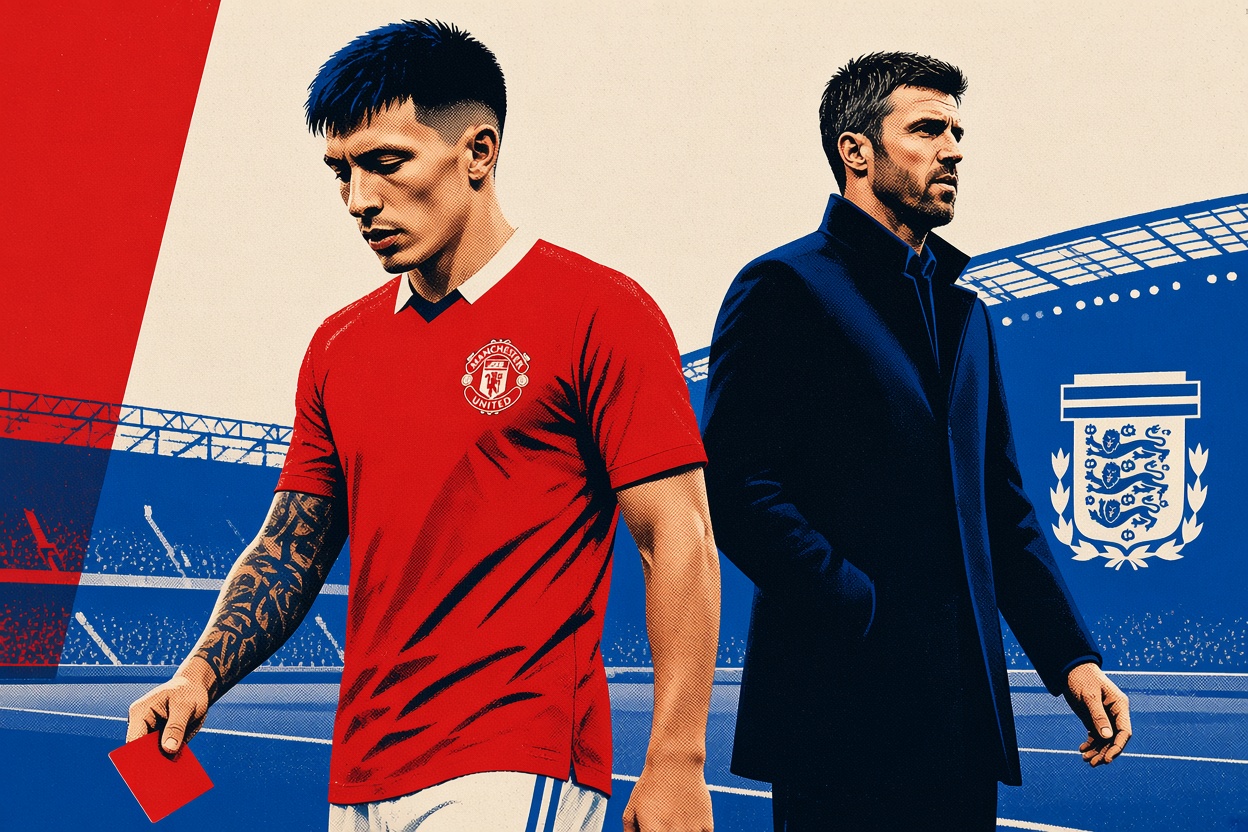
Lisandro Martinez earned every bit of the abuse coming his way after Stamford Bridge. He smashed an elbow into Wesley Fofana for no reason anyone can explain, then handed Cole Palmer a penalty that put the result beyond doubt. A tense, winnable afternoon turned into a damage-control exercise. Nearly every independent rating of the match had him as the worst player on the pitch, and it wasn't close — even the one outlet that pointed the finger at a teammate instead still couldn't find him a passing grade.
But stopping there lets the people who built this squad off the hook. It's the comfortable story to tell.
Manchester United have not signed a new full-back since the double deal that brought in Noussair Mazraoui and Matthijs de Ligt from Bayern Munich, back in August 2024. Two full transfer windows have come and gone since then, including this summer, when the business went on midfield reinforcements and goalkeeping cover while the obvious hole at full-back and up front sat there, unaddressed. Michael Carrick inherited a squad still partly built for the back-three, wing-back system his predecessor ran. He scrapped that shape for a conventional back four, then had to send players recruited for a different job entirely out to defend in it. It points to a recruitment strategy with no throughline, spanning two managerial regimes and however many people at the top signed off on it.




Carrick has questions of his own to answer. He's earned the right to be asked them: this is his mess to answer for now. He's the permanent manager, handed a contract to 2028 after turning the club around last season, and the captaincy call this week was his alone. He benched Bruno Fernandes after Fernandes criticized his tactics, then brought him straight back in against Chelsea with the armband restored after a clear-the-air conversation. Fernandes had a miserable afternoon, missing a clear chance and giving the ball away repeatedly. Reinstating him without consequence, only for it to fail in full view, makes Carrick look like a manager who flinched at his own discipline. He then stood in front of the cameras afterward and said he hadn't seen the Martinez incident at all, and had nothing to say about the player who walked off without so much as a glance from his own head coach. That's a manager protecting himself from a conversation he didn't want to have.
United's defenders have a point: the first half at Stamford Bridge was genuinely encouraging. United were the better side for long stretches, and Chelsea's own center-back gifted them two chances to make the breakthrough that never came. There's a real argument for patience over panic, for judging Carrick on a body of work rather than one bad second half that turned on a moment of individual madness. It's a better argument than most of what gets shouted about this team right now.
It still doesn't explain why a club with this much money has gone two transfer windows without fixing a position every scouting report has flagged. Martinez's red card is on Martinez. The nine-game winless run, as of this result, and a captain who can't be trusted to play without drama are on Carrick. But a squad still patched together from a system the club abandoned, defended by full-backs nobody bothered to replace, is on the people who run Manchester United. They are the only ones in this story who had years to fix it. They didn't.