Manchester City have reported the highest sponsorship income in football, and you should treat that claim with roughly the care you'd give a stranger selling watches out of a coat. This is the club an independent commission found guilty of almost all of its financial charges, breaches stretching across roughly a decade, and that same club is now telling you its commercial team simply sells better than Real Madrid's. Sure.
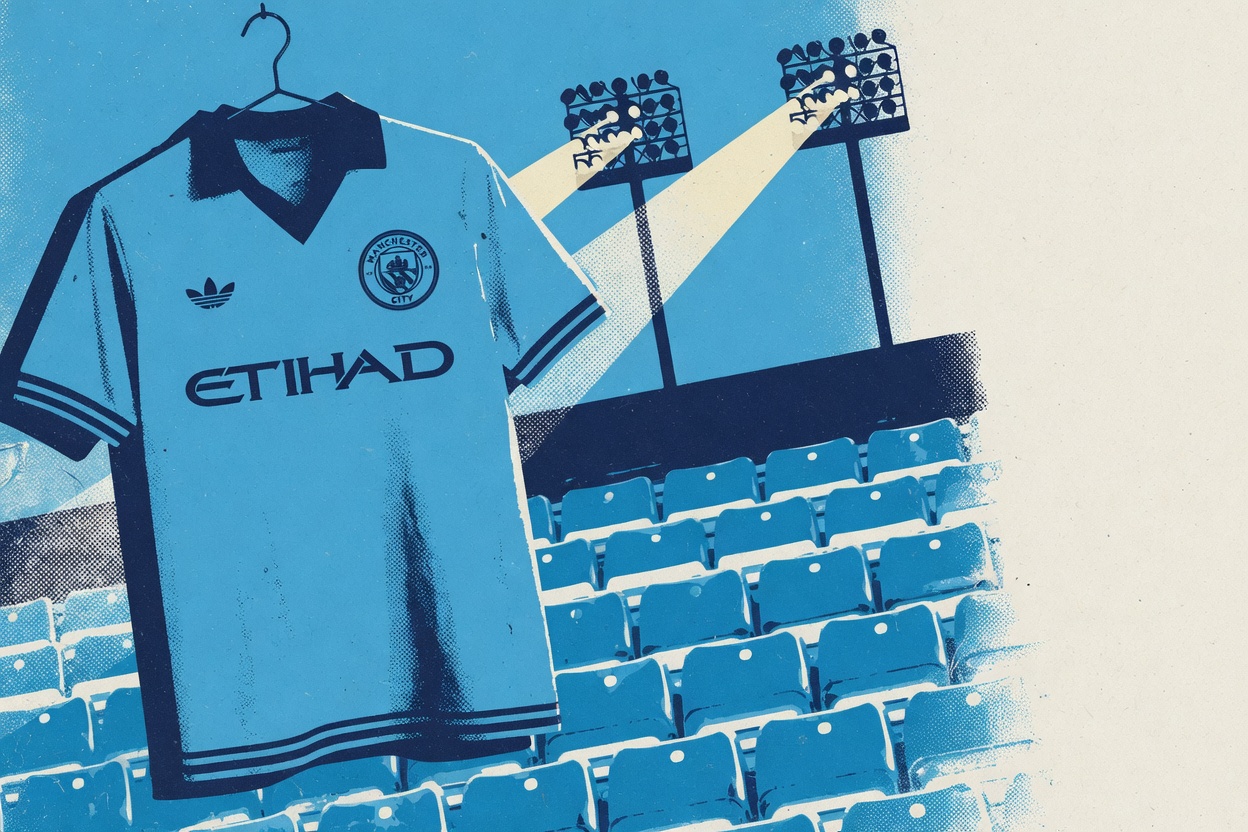
Look at the shape of it. City's four main sponsors are reportedly paying around £230m, propped up by a renewed Puma deal worth £100m a year, with the figure set to climb again if a new Etihad front-of-shirt agreement goes through. That's a huge number. The question everyone else in football keeps asking, and keeps getting waved off, is how it got that big.
Real Madrid broke the billion-euro revenue barrier to top the Deloitte Money League and pull in close to €300m from shirt deals. Barcelona have spent years calling themselves the biggest sponsorship earner in the world. Both clubs built that reach over a century. City's commercial numbers took off on roughly the same timeline as their current owners.
Etihad is Abu Dhabi's state airline. City are owned out of Abu Dhabi. When the sponsor and the owner answer to the same government, "sponsorship" becomes a polite word for pushing your own money across the table and calling it income. That was the core of the case against City in the first place: were these real market deals, or just owner money recycled through a logo? The commission heard the arguments and ruled against the club. City are appealing.
City's defense is that they've been singled out, targeted by a coordinated campaign, their arrangements legitimate rather than dishonest. A tribunal already ruled those arrangements broke the rules. There's a simpler word for that, and no amount of branding changes it.
The people pointing at Paris Saint-Germain have a point. PSG run the same play through Qatar: Visit Qatar splashed across the shirt, Qatari ownership signing off on both ends of the deal. PSG gets a far gentler ride for it. Both are state-owned operations playing football, and both have learned that a big enough sponsorship number buys silence as easily as it buys players.
City are the best in football at turning their owners' wealth into a line that reads "sponsorship," then daring anyone to call it something else.