
Manchester United went two goals down at home to Roma in the Champions League inside the opening 18 minutes on Tuesday, and then won 3-2. Both halves of that sentence are the problem.
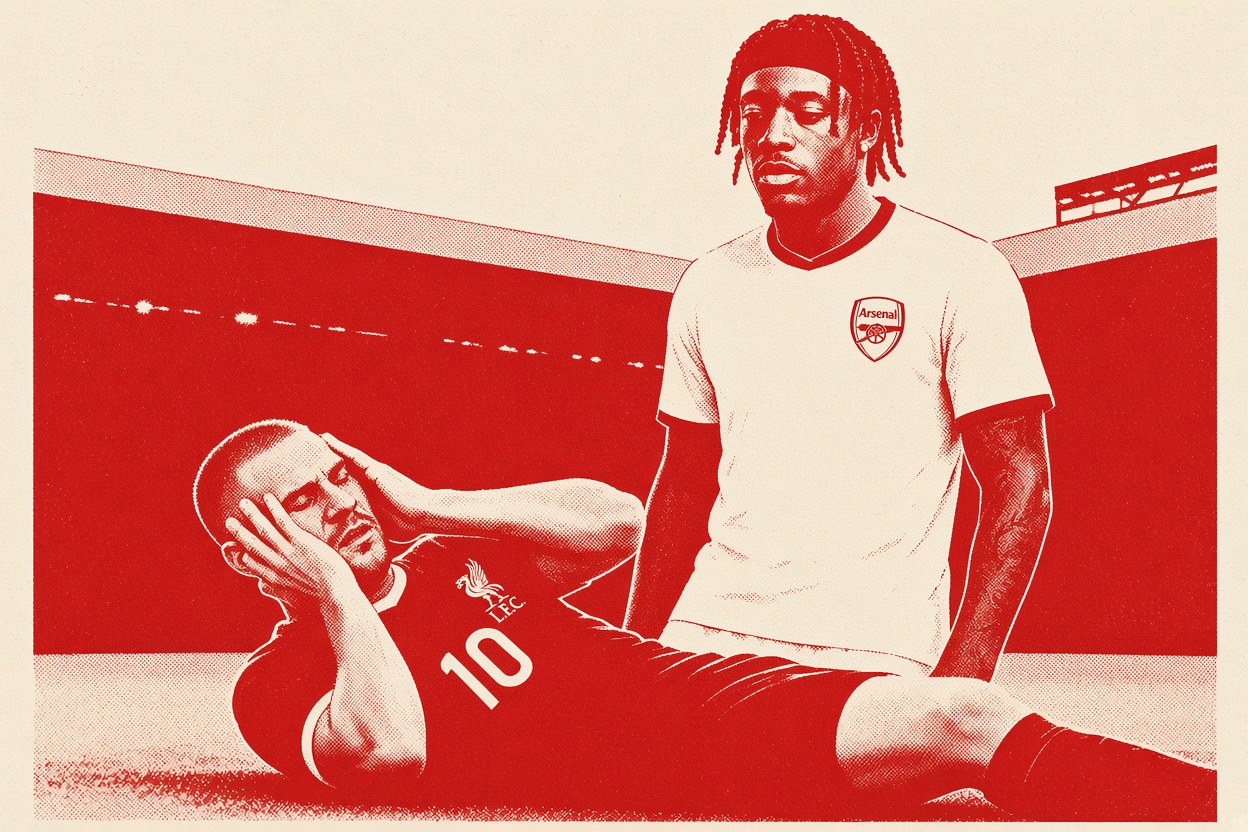
Matias Soule wandered off the back of United's defense for the opener. Minutes later Ayden Heaven stuck an arm in the way of Soule's shot, Donyell Malen buried the penalty, and Old Trafford was staring at 0-2 against a team that was supposed to be beatable. United had the better of the chances on paper, a chunky xG edge, and still spent 45 minutes looking lost without the ball. Then Bruno Fernandes converted from the spot after the break, Cunha scored twice late, and a run of nine winless matches finally ended.
A comeback like this is supposed to hide the cracks. This one put them on display. You don't need rescuing from 2-0 down at home if you aren't already broken, and a healthy team doesn't concede two sloppy goals in a quarter of an hour to nobody special. The win is real, and it means something to a dressing room that had forgotten what three points feel like, but the structure still collapsed on schedule and got saved by individual quality alone. Cunha and Fernandes papered over a collapse that's still sitting underneath.



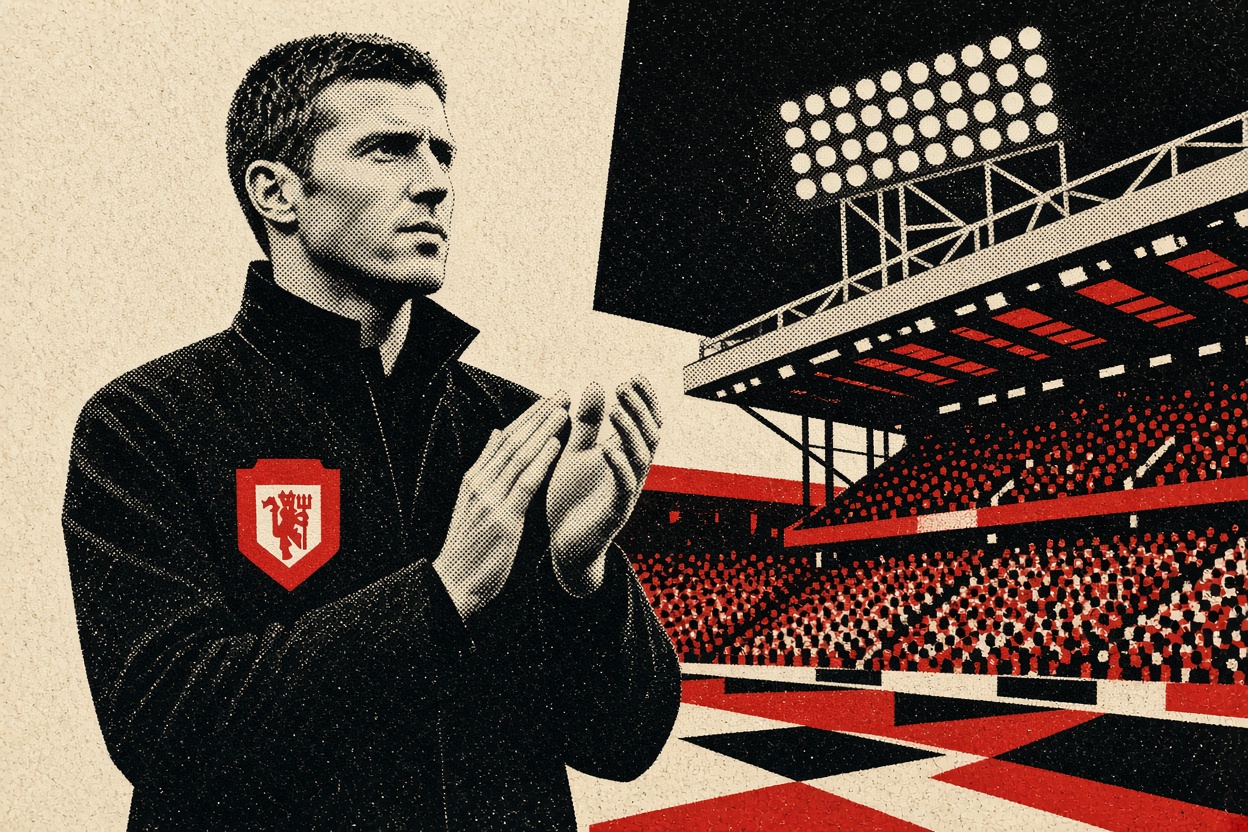
Michael Carrick is the wrong name to put at the center of this. Carrick picks the team and the tactics that fell apart against Como in a 4-1, waved goodbye to supporters after a 3-0 home defeat to Bournemouth, lost the plot away at Chelsea when Lisandro Martinez was sent off, and slept through 45 minutes against Roma. All of that is on him. He also dragged this club back into the Champions League last season, and he's been doing the job while the people above him shop for his replacement in public.
The real power belongs to Jason Wilcox, the director of football, and chief executive Omar Berrada. Wilcox is reportedly the man who can end this, with Eddie Howe the frontrunner, and the plan is to keep rolling the dice game by game until the international break, then reassess. It's an executive class too frightened of the optics of another managerial change to actually run the club. They'd rather let Carrick absorb the boos every weekend than put their own name on a call.
Thirteen years on from Sir Alex Ferguson, eleven managers and caretakers deep, United sit 17th in the Premier League as of early November, level on points with Crystal Palace and clinging to a place above the relegation zone on goal difference. For this club, in this month, that's real danger of the drop.
Part of the country now watches United the way you watch a car reverse into a lamppost. The humiliation has a rhythm to it. But the people treating it as pure comedy are letting the real culprits off. The joke stops being funny the moment you remember a group of executives are being paid to fix this and have instead decided that deciding anything is too dangerous.
The Roma win buys Carrick maybe two or three fixtures of goodwill. It buys Wilcox and the board nothing. If United lose their next league match still hovering a goal difference above the drop, the question will shift from whether Carrick should go to why Jason Wilcox, the man with the power to decide, still refuses to act.