Manchester United could actually go down. Anyone laughing that off hasn't looked at the table. As of October 25, they sat 16th on 7 points from 8 games, one to two points above the relegation zone, winless in eight across all competitions, and they'd just been beaten 3-0 at home by Bournemouth. That's what a team on its way out of the division looks like.
Fans daydreaming about relegation being a good thing have the diagnosis right: this ownership has needed a shock for years. They're wrong about which shock fixes it. The Championship isn't it.
Start with who actually did this, because it isn't a mystery. The Glazers bought United in 2005, loaded a debt-free club with borrowing, and twenty-one years later United's debt has climbed past £1.1 billion, with some reporting putting it closer to £1.3 billion once transfer obligations are counted. That number isn't sitting harmlessly in a spreadsheet. It eats into every transfer window, and it hangs over a new 100,000-seat stadium the club has announced, bought land for, and still hasn't broken ground on. United are trying to finance the biggest stadium in Britain while servicing a billion pounds of someone else's debt. That's the real relegation threat, and it was there long before this season's table.
Sir Jim Ratcliffe and INEOS walked into that mess and have mostly managed the decline more tidily. Redundancies, ticket hikes, cost-cutting, and the debt figure still went up on their watch. Nobody in Monaco or Florida has solved the thing strangling this club.
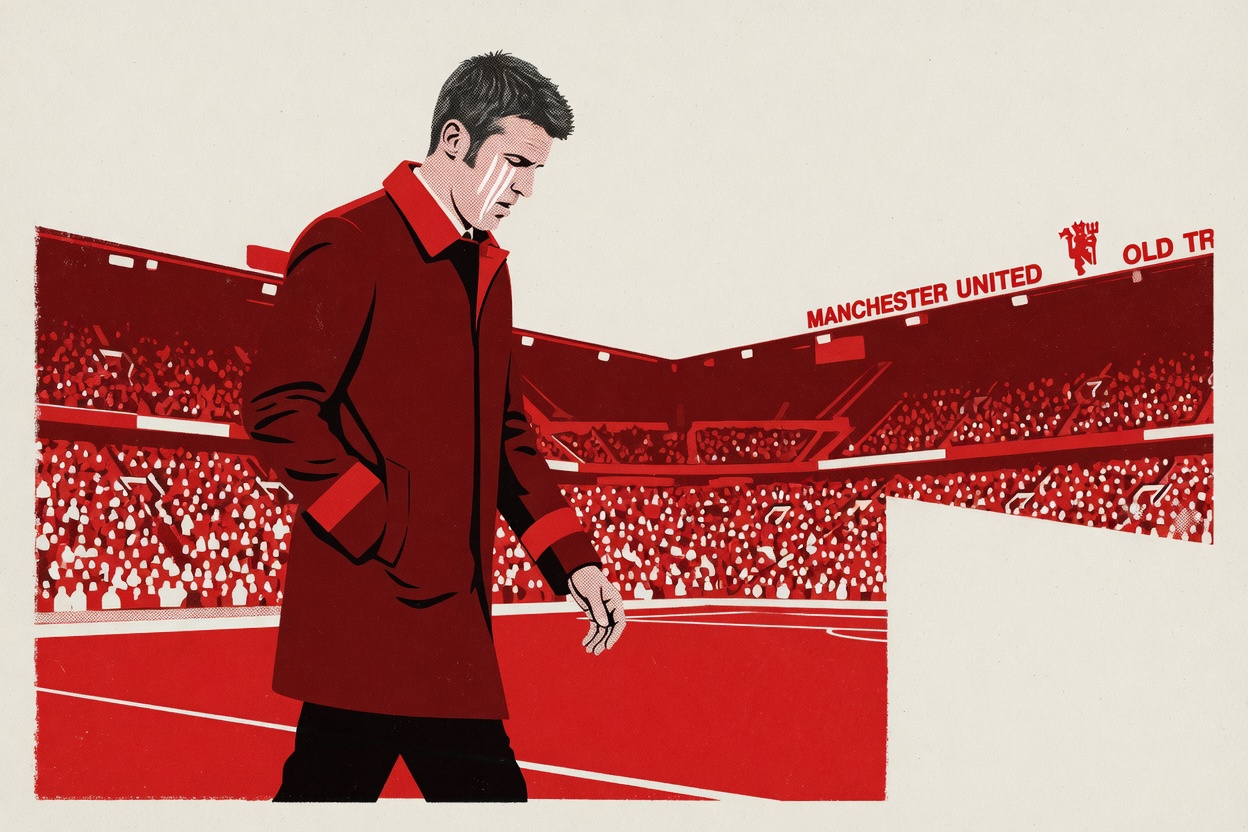
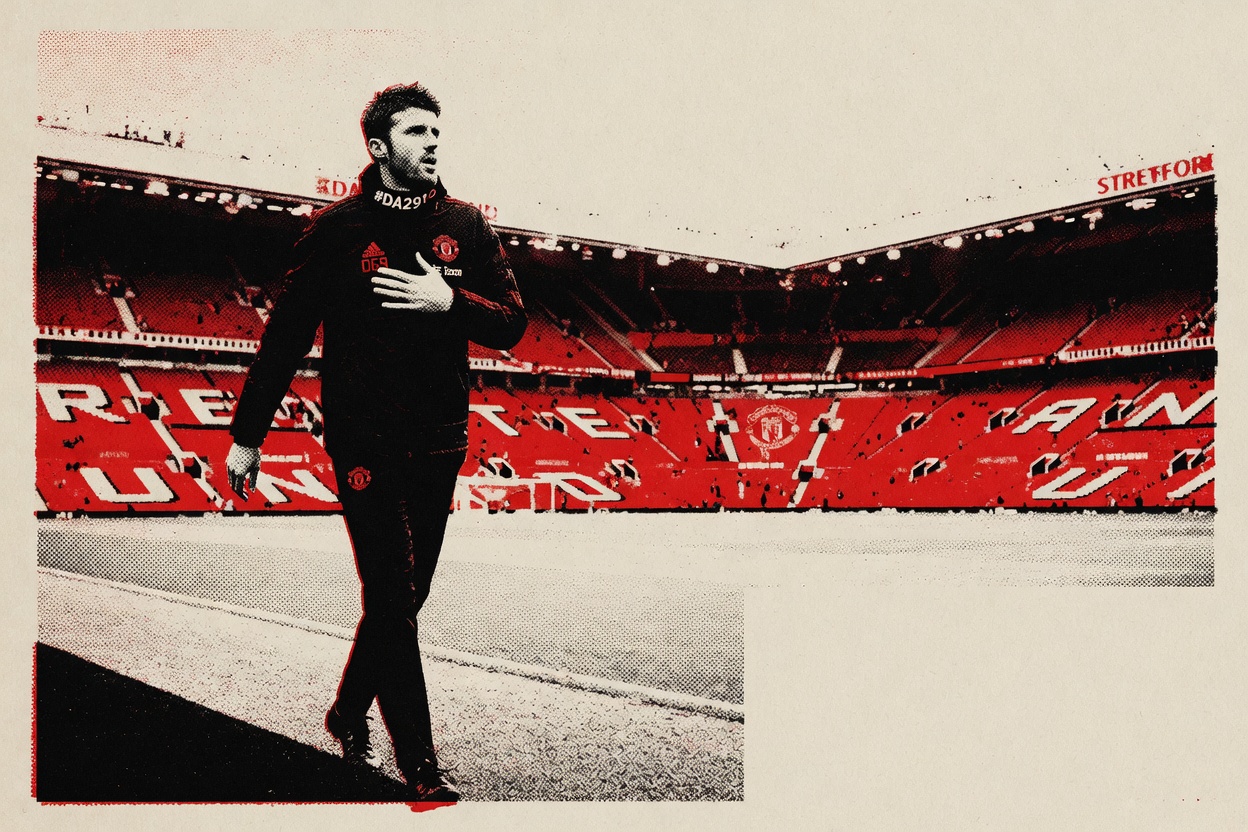
Michael Carrick is the man standing in front of it when the shots come in. He hasn't been sacked yet, but he's under heavy pressure heading into Chelsea on October 31. Sack him on a Sunday night if it makes anyone feel better. The next man inherits the same squad, picked by the same board, with the same balance sheet waiting for him. United have cycled through managers for a decade, and the only constant is the owners. Whoever's in the dugout is paying for a mess he didn't build.
This squad is still too good to go down. Even in crisis there's enough individual quality on that pitch to beat the teams around them, and over a full season that quality usually drags a club clear. United probably stay up.
But notice how low the bar has dropped. The defense for Manchester United in October 2026 boils down to one idea: their players are too expensive to relegate. That's it. Relegation wouldn't be the clean reset the dreamers imagine, either. Look at Leicester, Premier League champions a decade ago, now playing League One football after falling two divisions in two years. A fall like that doesn't cleanse a club. Lose the broadcast money and trigger the sponsor clauses right when you're trying to finance a stadium, and you end up with a crippled club trying to outrun a billion pounds on a fraction of the income.
United's real wake-up call is the Glazers selling up. Everything fans want, a fresh start, an end to the extraction, runs through the one door the owners keep locked. Relegation wouldn't force it open. It would just bury the key deeper.