Manchester United are in a relegation fight, and the idea that they'll drift clear on reputation is a fantasy. As of November 28, 2026, they're 19th with 8 points from 11 games, and the people who own the club spent this month explaining why results don't worry them.
Where they stand right now
One win, five draws, five defeats. Fourteen scored, 23 conceded, a goal difference of -9. Going into Mauricio Pochettino's first home game against Brentford, they sat a point behind Sunderland in 18th and held the longest winless run in the division this season, nine league games. The most memorable result of the autumn was a 4-4 draw with Aston Villa on 8 November. Great fun. It fixed nothing.
There are 27 games left and the table will move. The question is which direction, and nothing about how this club is run points up.
The Spurs example should scare them
The comfort argument goes like this: United have too much quality and too much money to go down, and big clubs dig out of holes. Tottenham get held up as proof. So look at Tottenham.
Last season Spurs had 18 points from their opening 11 matches. They still went into the final day 17th, with two different routes to relegation, and only survived by beating Everton 1-0. They finished on 38 points, two clear of West Ham, who went down and are now a Championship club.
United have ten fewer points than Spurs had at the same stage. If Spurs are your reason for calm, you've picked the story that shows how thin the margin is for a big club that starts badly. They escaped by a single afternoon. United are starting the climb from further down.
The money has already been spent
As for financial muscle: United's net spend last summer was more than £100 million. Brighton made a net profit of £21.9m and, as of this week, are 2nd on 22 points. Bournemouth spent £48.6m net and sit 5th on 18. Leeds spent £59.8m and are in the top seven.
United spent more than any of those three and have the least to show for it. Spending only helps when the people doing it know what they're buying, and United's recruitment department has spent nine figures net to assemble a team in the bottom three. That's a scandal, and the recruitment department answers to the owners.
The Glazers said it out loud
Earlier this month, at Deutsche Bank's first Sports Investment Conference in London, an audience member asked Avram Glazer whether poor results damage United's commercial value. The co-chairman said the club's worth isn't tied to what happens on the pitch and that it doesn't need success there to generate revenue, comparing United to the Dallas Cowboys and the New York Yankees while his club sat 19th.
Back in 2018, Ed Woodward put it this way: "Playing performance doesn't really have a meaningful impact on what we can do on the commercial side of the business." Eight years apart, same belief. Every wasted signing and every dugout change this season flows downhill from that attitude, and the Glazers deserve the first and loudest share of the blame.
Pochettino is holding the bag
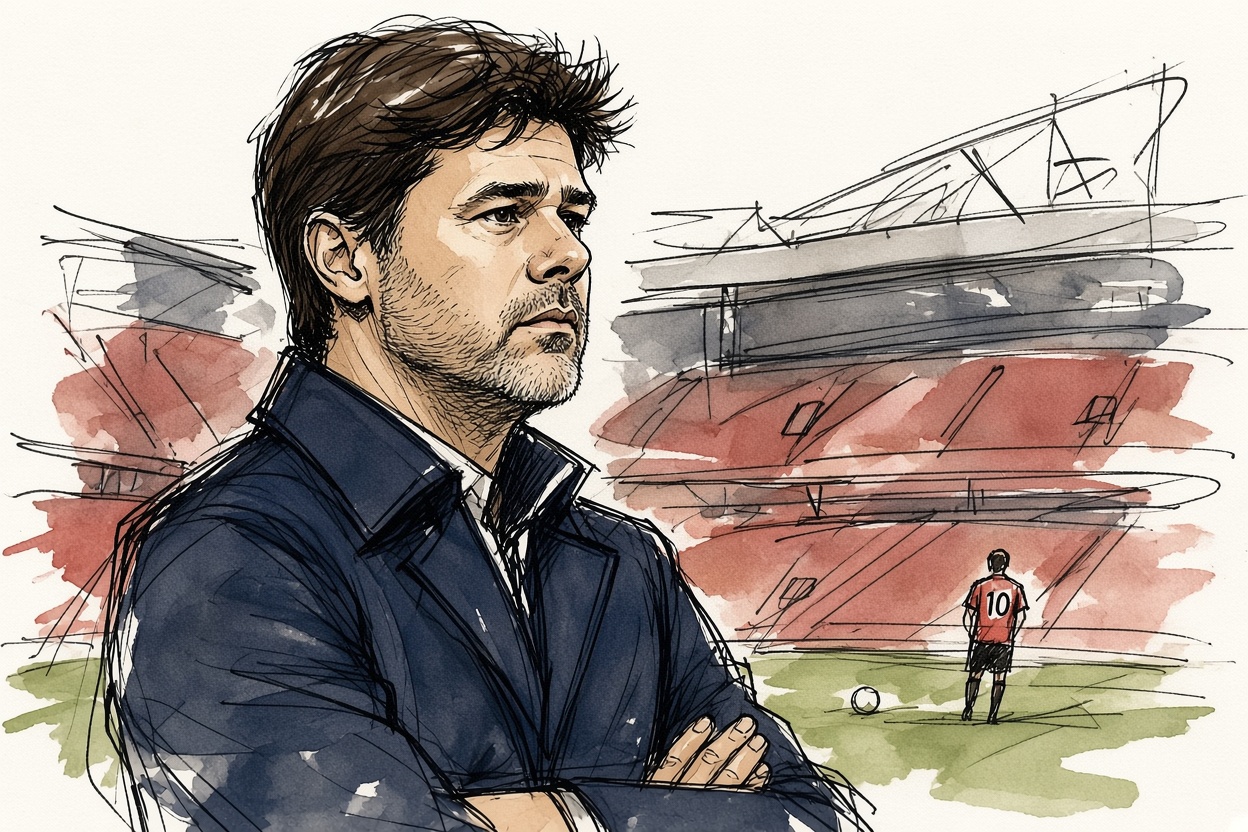
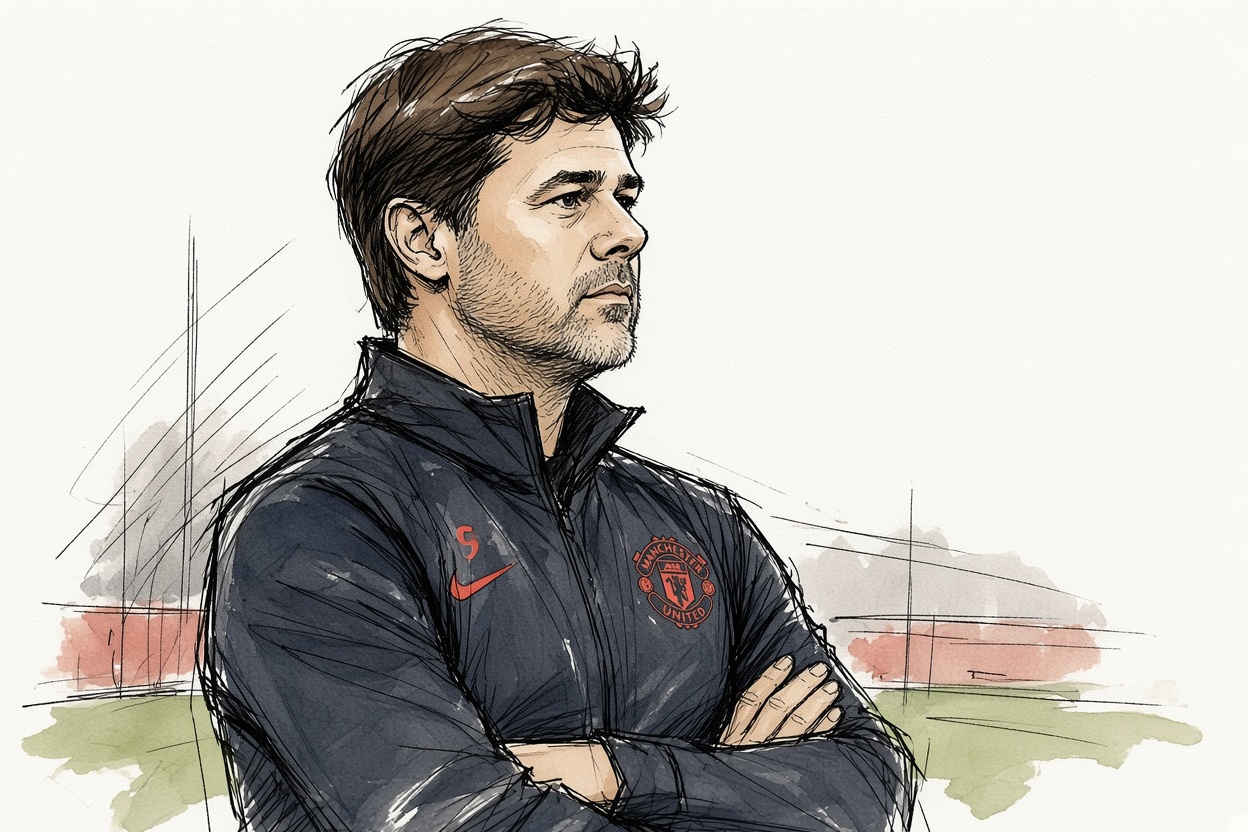
Pochettino was appointed on 18 November, the latest head coach in a season that has already gone through more than one. For his first home game he benched Bryan Mbeumo and Matheus Cunha, started Joshua Zirkzee up front and brought Amad Diallo in on the right.
It's a gamble, and it might even be the right one. It's also a manager figuring out in public which of his expensive attackers he can trust, with a relegation zone right underneath him. He gets the smallest share of the blame here. He walked into a building that was already on fire.
United can stay up. They'll have to fight for it, game by game, the way Spurs did, and nobody at the top of this club has given any sign they understand that. Avram Glazer told a room full of investors that losing doesn't cost him anything. Relegation would be the bill for that belief, and his club is sitting in the bottom three while he waits to see if it arrives.