Read the fine print of the deal Barcelona confirmed on August 4 and the sentiment drains right out of it.
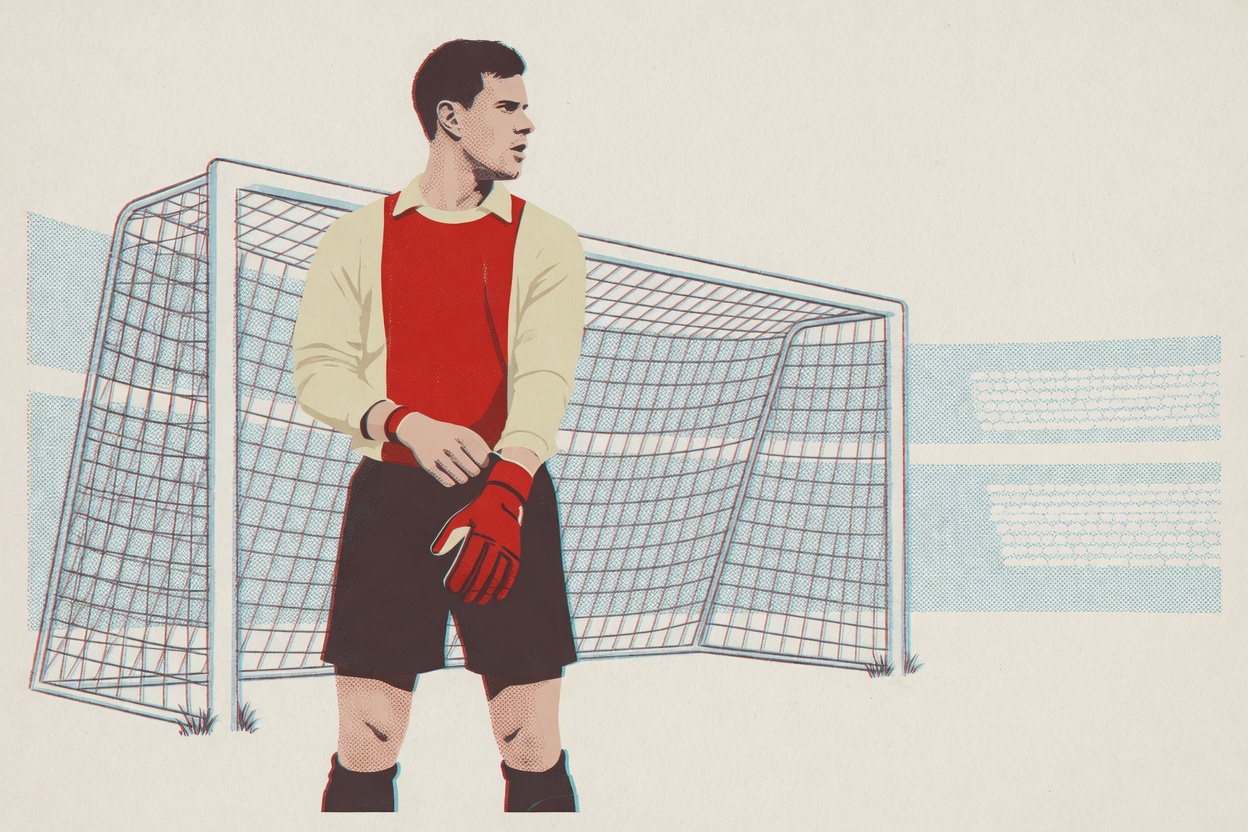
Marc-Andre ter Stegen is joining Ajax on loan until June 30, 2027. There's no option for Ajax to buy him. Barcelona reportedly keep paying roughly 90 percent of his wages while he plays for somebody else. His contract with Barcelona runs to 2028, so on paper he's still their goalkeeper. In practice, they're covering the bill for another club to test-drive a player they no longer want. Call it what it is: an audition, paid for by the seller.
Start with who's leaving. Ter Stegen arrived from Borussia Monchengladbach in 2014 and spent twelve seasons at Camp Nou. He made 423 appearances and won 21 titles, including the 2015 Champions League. He's been described as the second-most capped foreign player in Barcelona's history, behind only Lionel Messi. You don't get that record by accident. You get it by being, for the better part of a decade, one of the best goalkeepers in the world.
And this is the send-off he got. Barcelona's official statement said they hope he can "regain the outstanding level he displayed on numerous occasions during his time with Barcelona." That's not a tribute. That's a receipt.
Now, the honest part. The injuries are real, and I'm not going to pretend otherwise. Ter Stegen, 34, lost most of a season to a serious knee problem, then went to Girona on loan in January and lasted two appearances before a hamstring injury ended his season and, by his own country's coach's telling, his World Cup hopes. Germany manager Julian Nagelsmann called the situation "tragic" and said "it was his turn." Girona were relegated. That's a rough two years for anyone, and Barcelona were within their rights to plan for life after him. Joan Garcia is younger, cheaper, and the future.
But here's where the loyalty story falls apart, and it's worth remembering exactly how we got here.
Last summer, Barcelona wanted to classify ter Stegen as a long-term absentee. Doing so would have cleared a big chunk of his wages off the salary cap and freed the room to register Garcia, his own replacement. LaLiga's rules require a player to be sidelined at least four months for that; ter Stegen had said publicly his recovery would take three. He was reluctant to hand over his medical data to make the club's math work. So Barcelona stripped their own captain of the armband and opened disciplinary proceedings. Then, about 24 hours later, once he complied, they gave the captaincy back and dropped the case. Barcelona treated their long-serving captain as a line item to be reclassified, punished him for not signing off on it fast enough, and reversed the punishment the moment he did. He played just one more game for the club after the whole episode. That's how you handle an expiring lease, not a legend.
The Ajax move fits the same pattern. The breakthrough only came after weeks of friction, with reports of tax complications and haggling over how to split his salary. There were even earlier whispers of a Galatasaray agreement before Amsterdam won out. None of this reads like a warm, mutual parting. It reads like a club desperate to move wages off the books and a player looking for a door.
To his credit, ter Stegen has taken the high road. "It was the right option," he said, crediting Ajax technical director Jordi Cruyff and the reunion with Michel, the coach who first brought him to Girona. "I feel like I'm back," he added, saying he's been fully fit and training since early July. Good for him. He's choosing to play football instead of rotting on a bench behind Garcia.
But don't mistake his grace for a happy ending. Barcelona have engineered a scenario where they pay almost all of a departed captain's salary, hand a rival club a season-long look with zero obligation to buy, and hope somebody, anybody, takes him permanently next summer so the cap space finally clears. The player's route back to the top is his own hope, not a clause in any contract. There's no pathway written into this deal, only Barcelona's wish that the problem solves itself somewhere else.
Ajax, meanwhile, get the deal of the window. A goalkeeper with a Champions League medal and hundreds of Barcelona appearances, at a fraction of the cost, with no commitment beyond next June. If he rediscovers his form, they benefit. If he breaks down again, it barely dents their books. It's a free trial on a former great, underwritten by the club that owes him more.
Maybe he thrives in the Eredivisie. Maybe this is the reset that pulls him back into Germany's picture. I hope it is. But whatever ter Stegen does next, remember how his time in Catalonia actually ended: not with a testimonial, but with a salary-cap negotiation and a loan he's helping to fund himself.