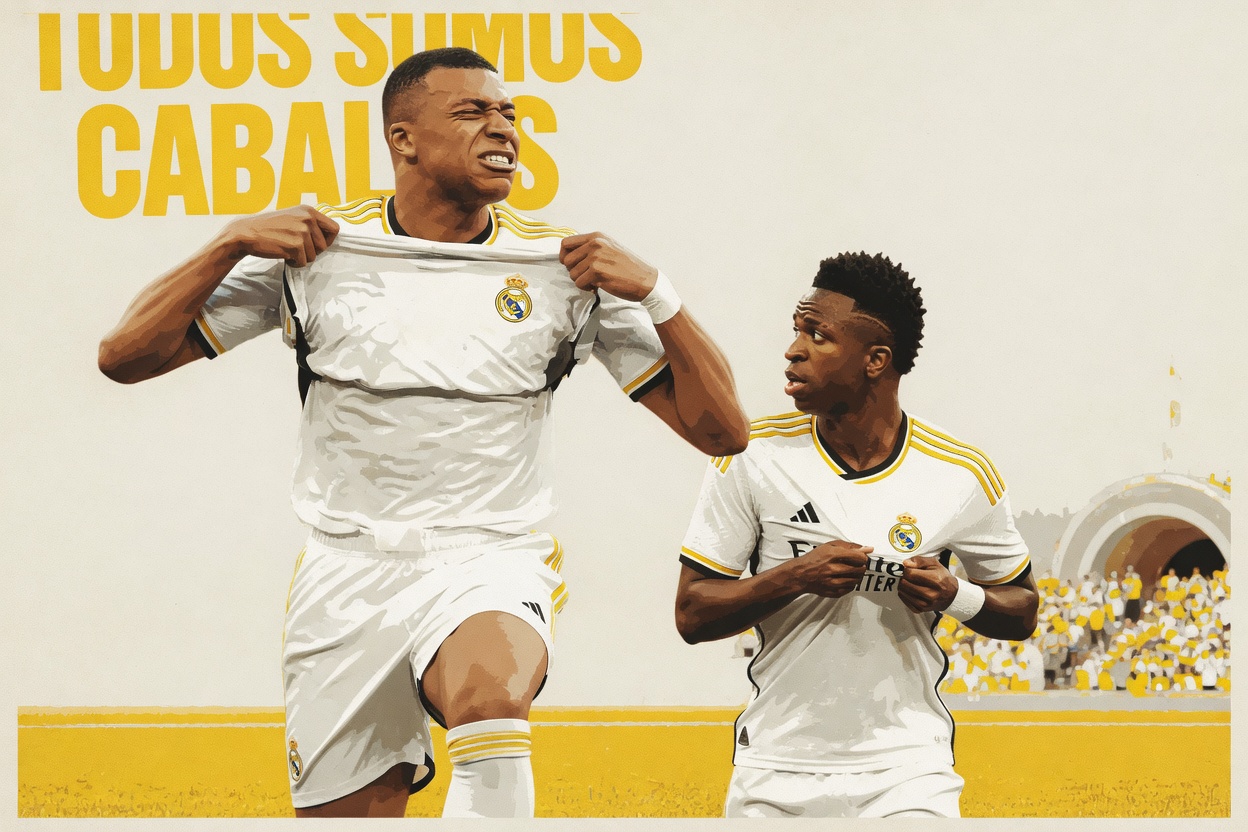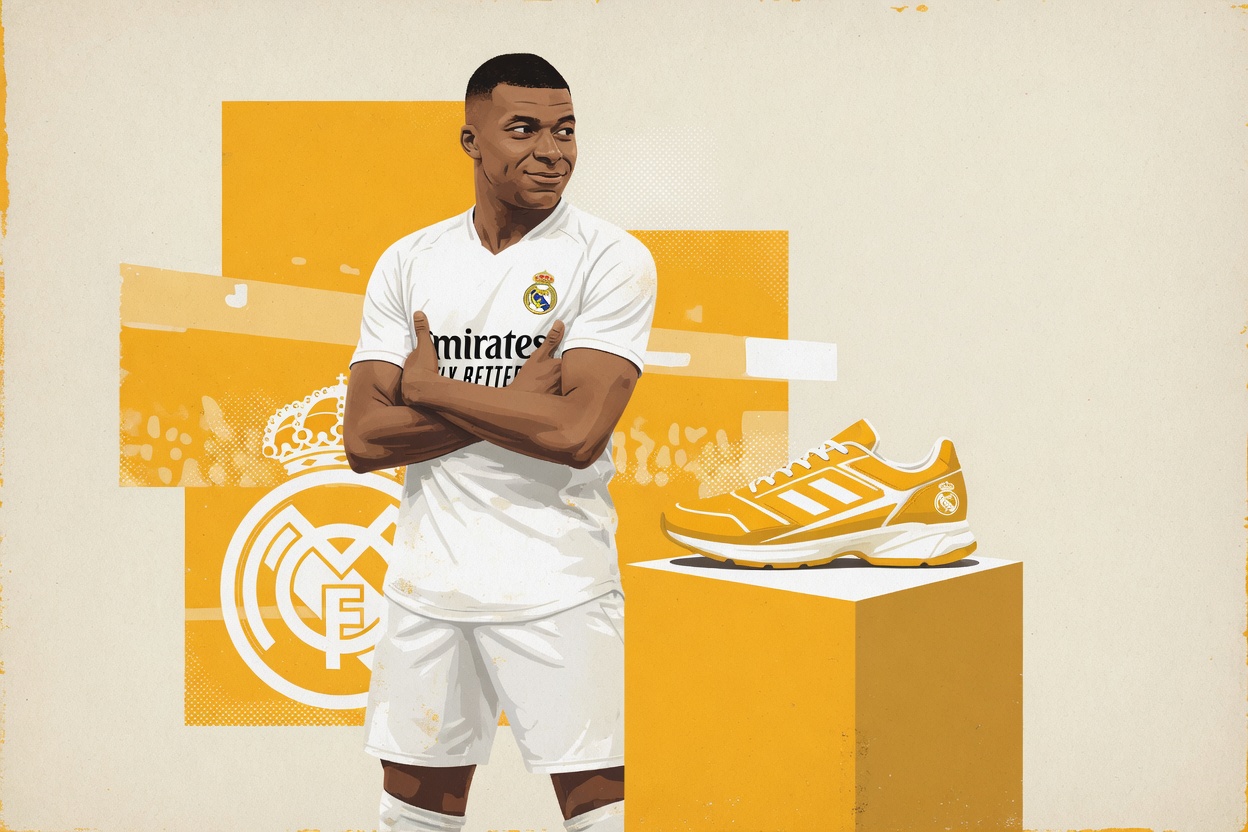
For nearly two decades, Kylian Mbappé and Nike were the kind of pairing that felt permanent, the sort of arrangement that outlives coaches and clubs and a couple of career eras. He'd been with the swoosh since 2006, back when the idea of him leading Real Madrid's attack was still a scout's daydream. The news out of Zurich on September 18 lands with some weight: On, the Swiss brand best known for running shoes, announced its entry into football alongside Mbappé, and the deal that ended the Nike marriage swaps a straight endorsement contract for cash and equity.
He gets paid, and he owns a slice of the company he's helping build. That structure is why this is more interesting than the usual boot-deal reshuffle. On has done this before, with Roger Federer, who left Nike and took a stake in On back in 2019. Federer didn't just wear the shoes; he became an owner. Mbappé and his people clearly looked at that template and decided it could run again in football, this time with a 27-year-old at the peak of his powers rather than a champion easing toward retirement.
The bet underneath the bet
Here's what separates this from vanity. An endorsement check, however large, is a fixed number. You cash it, you wear the logo, you move on. Equity is a claim on the future. If On becomes a real force in football boots, Mbappé's stake grows in a way no annual retainer ever could. If it flops, he eats that too. He's chosen upside with risk over a guaranteed sum, and for a player whose commercial pull might be worth as much as his left foot, that's a confident read of his own value.
Mbappé put it plainly this week. "Of course, I had 20 amazing years with Nike, I can only say thanks to them," he said. "But I think, as a person, as a player, it was the time to change." On's co-CEO David Allemann was blunter about the ambition: "Football doesn't need another sportswear brand to do more of the same. Football needs new ideas and a challenge to what is possible."
The financial terms haven't been disclosed. On has confirmed the cash-and-equity shape but not the value, and not the size of Mbappé's stake. French sports daily L'Équipe reported the partnership runs for ten years, which would be a serious commitment on both sides, though that figure isn't something On or Mbappé's camp have confirmed. Treat the number as reporting, not gospel. What matters for the argument is the shape of the deal, and the shape is ownership.
Why Nike's timing makes this sting
No brand ever admits it wanted to keep a star it just lost, but the reporting here is unusually candid. A source familiar with the matter said Nike chose not to renew as Mbappé's contract expired, deciding to spend its endorsement money elsewhere, feeling it had already gotten the benefit of the prime years of his career. That's a company that thinks it's past the good part, which is a strange judgment to make about a player who, per Real Madrid's own record, finished last season as LaLiga's top goalscorer.
The backdrop doesn't help Nike's optics. The move comes while the company works through a turnaround under CEO Elliott Hill, with its stock down about 30% year to date and off roughly 50% over the past year, dragged by sluggish sales and its struggles in China. Nike is also being removed from the S&P 100, an index it had belonged to since 2008, replaced as part of a group of stocks swapped out for names tied to the AI trade. When a brand in that spot lets a marquee name walk into a rival's launch, the picture writes itself.
There's a fair counterargument, and it deserves a moment. A Columbia Threadneedle analyst told Reuters that Nike shareholders were unlikely to see Mbappé's switch as the company's biggest immediate problem, since investors care more about product innovation and revenue growth. True enough. One endorsement deal doesn't move a balance sheet. But the same reporting gets at the deeper cost: losing Mbappé to a football newcomer makes for an ugly picture, one of the sport's most important players choosing to help build a challenger rather than stick with the market leader. Nike still keeps a deep roster, from Erling Haaland and Vinícius Júnior to Alexia Putellas and Sam Kerr, and it extended its French national-team kit deal through the 2033-34 cycle. Mbappé will even keep wearing a swoosh on France duty because of that kit arrangement. So this isn't a total divorce; the personal endorsement, the part that signals which way the wind is blowing, is what got away.
The era this points toward
What makes this feel like a signpost rather than a one-off is the company Mbappé is keeping. On brought in Thierry Henry as Director of Football, a role built on work he'd been doing with the brand since 2025, and added Barcelona's Switzerland international Sydney Schertenleib to the lineup. The plan is to launch boots in 2027, built using On's LightSpray robotic manufacturing technology, first introduced in 2024 and now being adapted to football. No boot has actually been shown yet, so anything about how they'll perform is guesswork for now. But building a serious football operation around an equity-holding superstar is exactly the model I'd expect more players to want.
The incentives have shifted. The biggest names have figured out their image doesn't just sell products, it can build companies, and building a company is where the real money and the lasting legacy live. Federer showed the ceiling. Mbappé, younger and with a bigger global reach in his sport, is testing whether the same playbook works when the athlete is still at the top instead of gracefully exiting.
My call: he's right. Within a few years the guaranteed-check megadeal will start to look like the option you take when you can't get a stake. The best athletes won't want to be the face of a brand. They'll want to be on the cap table. Mbappé just made that the obvious move, and Nike handed him the headline by deciding his prime was already behind him.