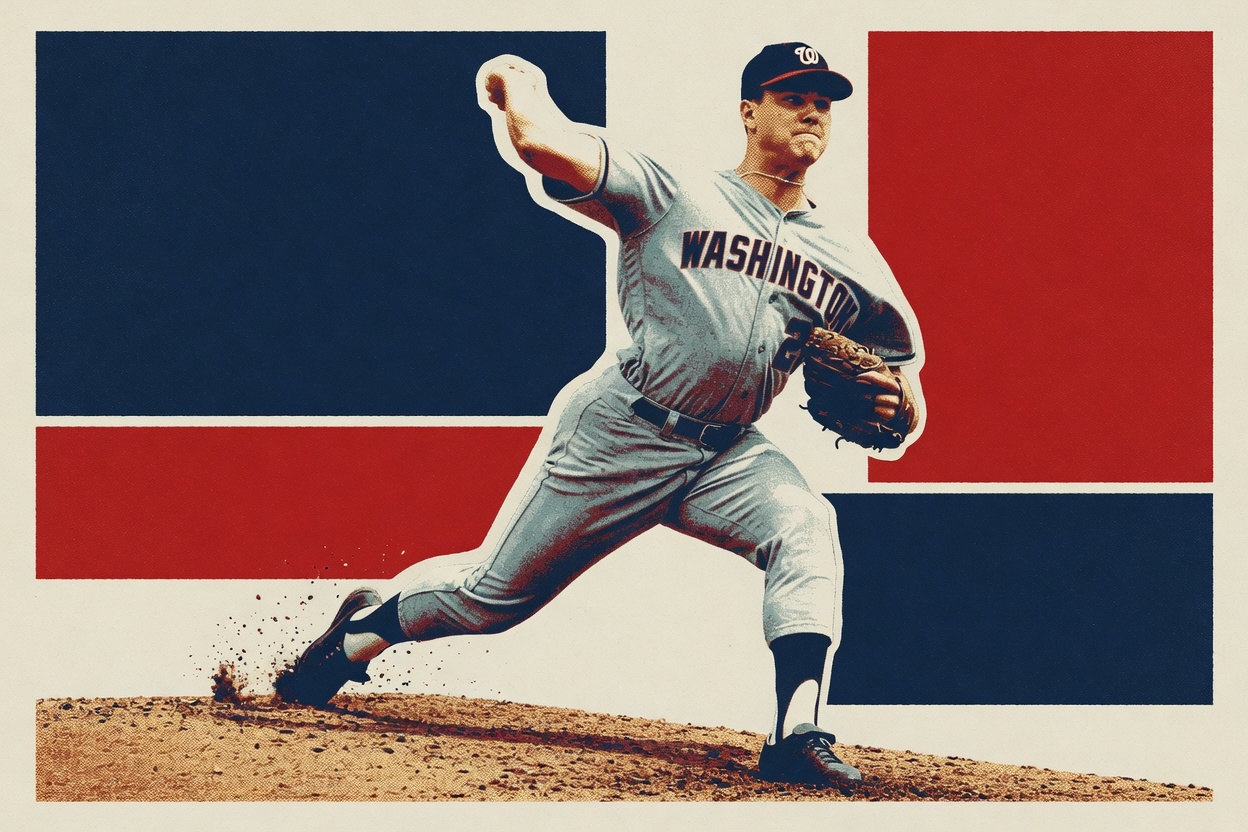
It didn't take long. That's how quickly the Mets went from trading a package to Milwaukee for Freddy Peralta to shipping him out the door for three prospects who aren't even the top of Tampa Bay's farm system.
On Sunday, August 2, one day before the trade deadline, New York sent Peralta to the first-place Rays. Peralta reportedly found out he'd been dealt during the early innings of a 2-0 loss to the Marlins, a game that dropped the Mets to 47-66. That's their worst record through 113 games since 2003, the last time they finished last in the NL East. They own either the highest or second-highest payroll in the sport, depending on how you count it, and they're playing like a team that's already looking at next spring.
The player deserves a fair look here, because it matters. Peralta wasn't pitching like an ace in Queens. His numbers with the Mets were ugly: a 4.99 ERA across 22 starts, a strikeout rate that fell off a cliff from where it sat in 2025, and 11 outings where he couldn't get through the sixth. CBS Sports called the whole thing a colossal stinker, and they weren't wrong. If you want to argue the Mets sold at the right time on a declining rental, you can make that case. He's 30 and headed for free agency this winter, so holding onto him made little sense for a last-place team.
But that's the point. The Mets weren't supposed to be a last-place team deciding when to sell a rental.
This is the same team that acquired Peralta in January as a marquee addition, a two-time All-Star coming off a season where he led the National League in wins at 17-6 with a career-low 2.70 ERA. From 2021 through 2025 he was one of the best starters in the league. New York paid a premium in prospects to get him and marketed him as the kind of arm you build a contender around. By August they were handing him to a division leader in a different league and taking back Tampa Bay's No. 15, No. 26 and No. 27 prospects.
Talent fades, sure, but that's not really the problem here. The plan falling apart is. Peralta was the second veteran New York unloaded within days, joining reliever A.J. Minter, with more expected to follow. They'd already dealt starter David Peterson to the Cubs earlier in the year, and names like Clay Holmes, Luke Weaver and Luis Robert Jr. were floated as candidates before the deadline. When a team with this kind of money starts liquidating in July, that's a teardown, not a tweak.
And it came after they'd already hit the panic button once. Back on June 26, with the team sitting 34-47 and 15 games behind Atlanta, they fired manager Carlos Mendoza and installed Andy Green on an interim basis, a stopgap who's set to return to his front-office role after the season. Steve Cohen's own words that day told you everything: "There is no sugar coating it: this season has been a disappointment and our fans deserve better than what we've delivered."
He's right. Which raises the question ownership needs to answer: what exactly is the plan?
A team that fires its manager in June, runs an interim skipper who isn't even meant to stay, and then sells off arms it acquired months earlier isn't executing a strategy, it's reacting. This is now the second straight year the Mets have underperformed a massive payroll. In 2025 they collapsed down the stretch and missed the playoffs by a single game. One bad year is a nightmare. Two in a row is a pattern, and patterns are on the people signing the checks and drawing up the roster, not the guys getting traded.
David Stearns, the president of baseball operations, is in the third year of a five-year deal, and Cohen has signaled he's staying. Fine. Then Stearns and Cohen should stand up and tell the fan base what this is. A retool aimed at 2027? A full rebuild? A course correction that just happens to look like a fire sale? Fans who bought into the most expensive roster in baseball deserve to know whether the last few weeks were a pivot with a purpose or just a plan falling apart in real time.
Meanwhile Peralta lands somewhere that clearly has a plan. Tampa Bay pivoted to him within hours of losing the Skubal sweepstakes to the Dodgers, slotting him behind arms like Drew Rasmussen, Shane McClanahan and Nick Martinez while sitting atop the AL East. Rays president Erik Neander called him "a proven major league starter with high-stakes experience and a strong track record." That's a team that knows what it's building and where a veteran fits.
The Mets used to be that team, at least on paper and in payroll. Right now they're the cautionary tale. Spending like a champion doesn't mean much if you can't answer the simplest question a fan can ask: where is this going?