The Manchester derby exposed an uncomfortable truth: the technology sold as the end of arguments just started the loudest one of the season.
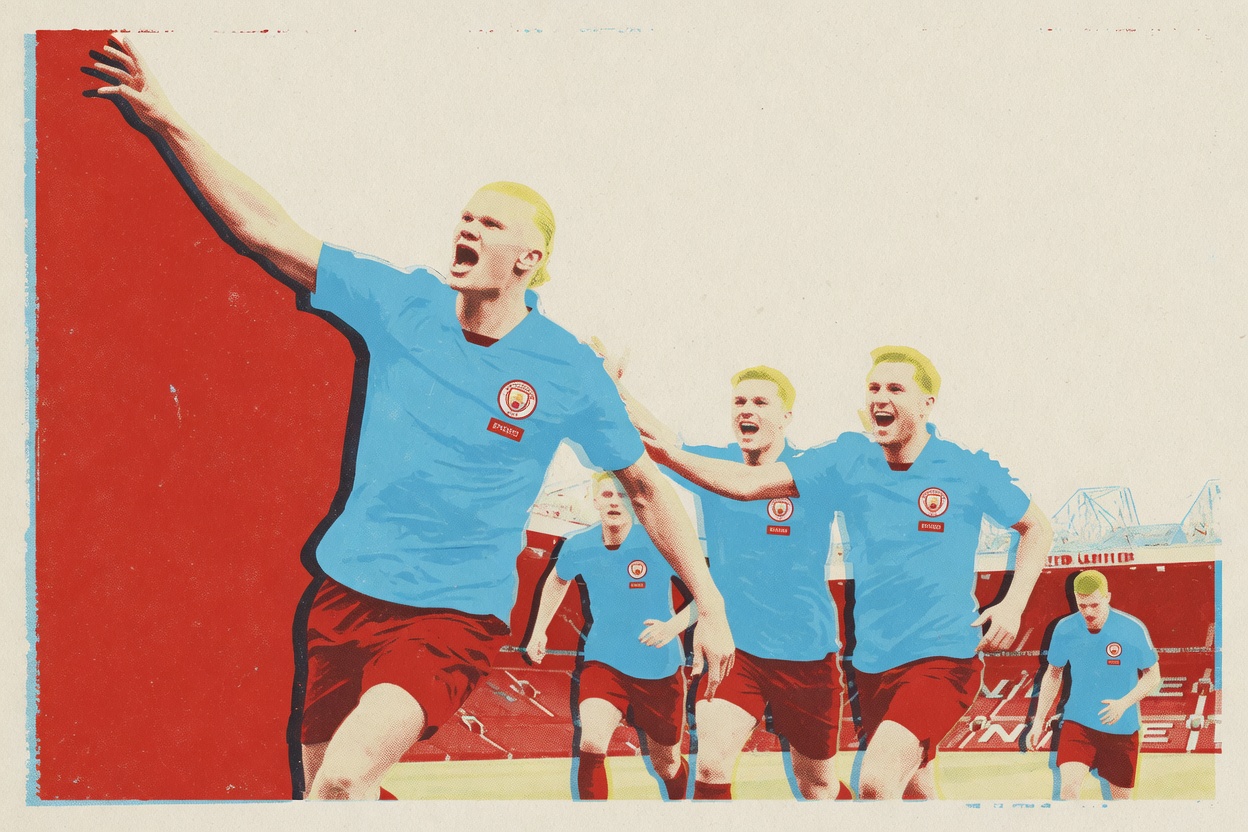
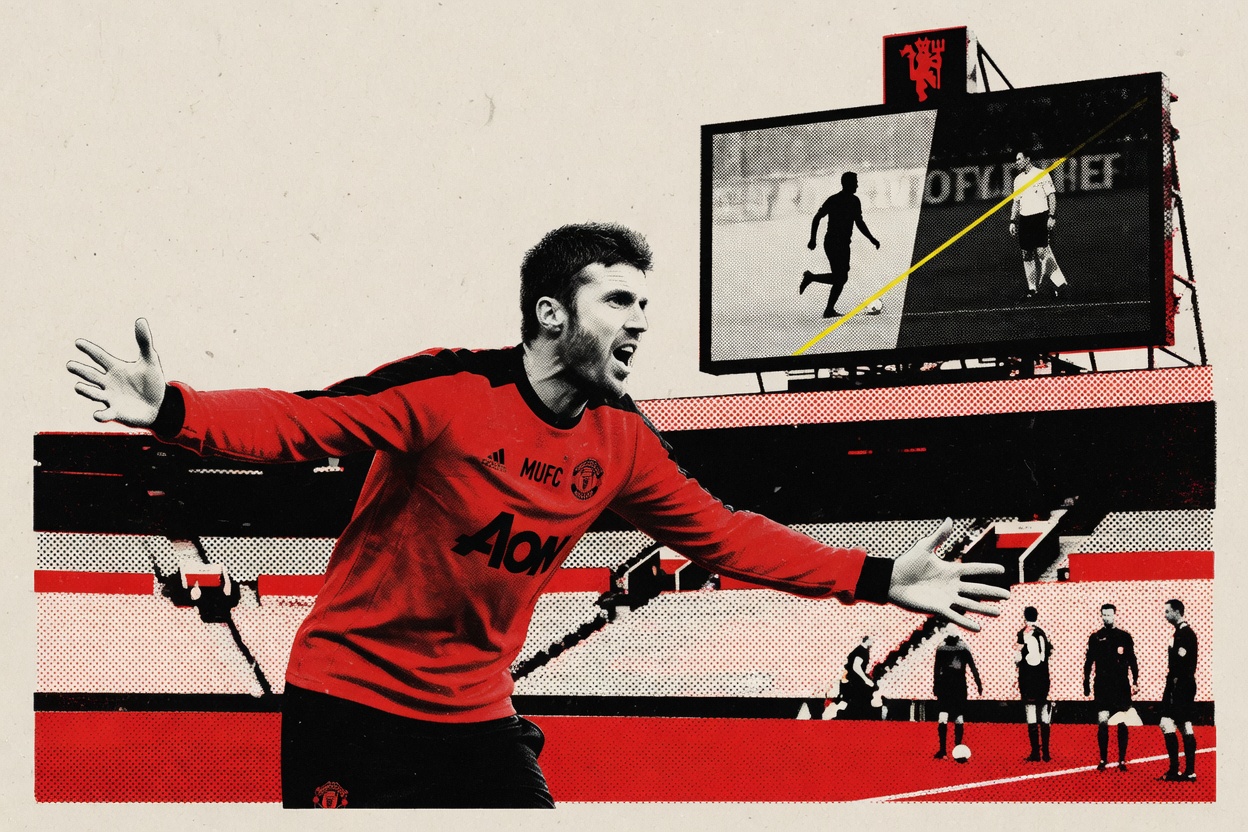
Manchester City beat Manchester United 1-0 on September 13, 2026, with 10 men, on an Erling Haaland goal United still can't believe stood. Michael Carrick called the decision "staggering," his players called it an "injustice," and Lisandro Martínez didn't hold back either. Gary Neville said United could expect an apology, and got one: the Premier League referees' body admitted the goal should not have been allowed and called it an "error of judgement."
VAR exists for one reason: to take the big, match-deciding calls out of the fog of real time and settle them with cameras and calm heads in a room. Instead we got a winner in the biggest fixture in England and a governing body issuing a mea culpa after the fact.
An apology is worthless when the scoreboard doesn't change. United don't get the point back, and they don't get the fixture replayed. What they get is a sorry and a promise that everyone will look at it again.
The 'interfering with play' trap
The cameras work fine; the rot is in the rulebook they're being asked to interpret. "Interfering with play," "impacting an opponent," the endless subclauses about whether a player in an offside position affected the phase of play: these are the passages that turn a five-second review into a philosophy exam. When people paid to officiate the game full-time can't agree in the moment, and only reach a verdict days later, the rule is broken, not the referee.
Think about what VAR was supposed to be: a clear line on the screen, offside or not, ball over the line or not. Binary. Instead the sport bolted on layers of judgment, and every layer is another place for two reasonable people to disagree. The technology gives you certainty on where a body is standing. It gives you nothing on whether that body "interfered" with anything, because that's a matter of opinion dressed up as a rule.
Even Carrick can't read it
When a Premier League manager, someone who has spent his entire adult life inside this game, stands in front of cameras genuinely unable to explain a decision that just cost him a derby, the system has failed its only test. Carrick isn't a fan on the concourse. If he can't parse it, what chance does anyone watching have?
Neville's line about VAR officials being reluctant to overrule the referee on the pitch cuts to the same wound. You build a review process, then make the reviewers nervous about actually using it, and the layers pile up while the clarity never arrives.
Credit where it's due, and honesty where it's owed: Carrick's side had a numerical advantage against 10 men and couldn't put the game away, and that's a separate conversation his players have to own. Losing a match you dominated numerically isn't the referees' fault. But the winner shouldn't have counted, by the referees' own admission, and no amount of United's own wastefulness changes that the referees got the decision wrong on the exact kind of call VAR was invented to get right.
Simplify it or scrap the layers
Strip VAR back to the calls it can actually settle: factual, binary, camera-provable stuff. Offside as a line. The ball in or out. A clear red-card foul the referee simply missed. Then rip out the interpretive middle layer entirely, the "interfering," the "impacting," the phrases that require a courtroom to adjudicate. If a decision needs a lawyer and a week, it doesn't belong in a live football match.
The current version delivers the worst of both worlds. It slows the game down and still produces a wrong result that has to be apologized for afterward. That's the same mistake as a referee's naked-eye guess, just with a longer delay and a press release attached.
United will get their apology, if they haven't already. What they won't get is the two points back, or any real reason to believe the same mess won't happen to someone else next weekend. Fix the rulebook, or admit the machine can only answer the questions we stopped asking it.