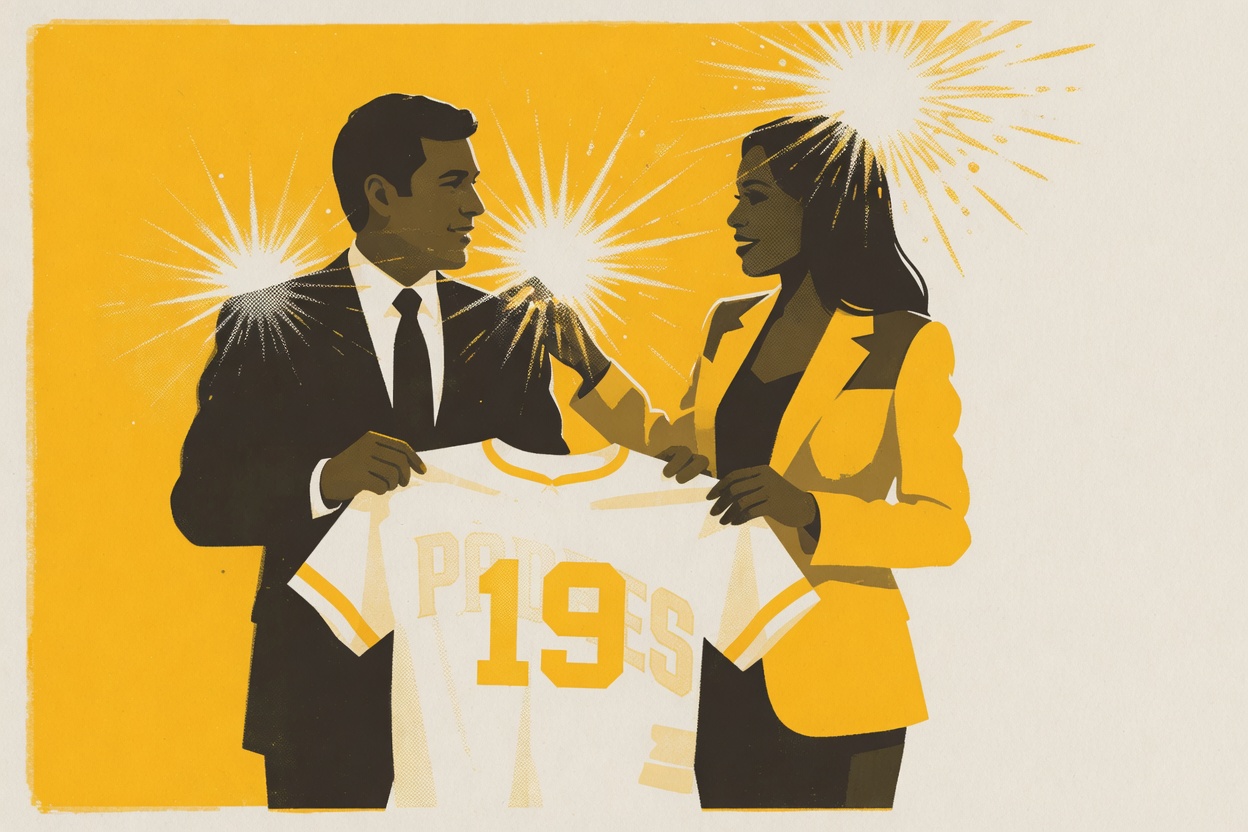
The good part first, because it matters. On Monday, August 17, MLB owners voted unanimously to approve the sale of the San Diego Padres to a group led by José E. Feliciano and his wife and business partner, Kwanza Jones. Feliciano, born in Puerto Rico, becomes the second Latino principal owner in the sport, alongside the Angels' Arte Moreno. That's a genuinely good day for a league that talks a lot about diversity and rarely delivers it at the top.
Now the part that should make you sit up. The deal values the Padres at $3.9 billion, which breaks the previous record for an MLB franchise sale: Steve Cohen's $2.42 billion purchase of the New York Mets in 2020. Put the two numbers side by side and it gets strange fast. San Diego just sold for nearly 60% more than the Mets did, in the largest media market in the country, only six years ago.
San Diego is a wonderful place to watch baseball, but it isn't New York, and it isn't Los Angeles. When a club that size clears $3.9 billion, the honest question is less about whether it's good for them and more about what exactly is being priced here.
Because it isn't the local media market. The gap between what New York's team commanded and what San Diego just did tells you these valuations have floated free of the things that used to anchor them. Regional TV money, market population, the size of the local ad base didn't grow 60% in San Diego's favor over the Mets in six years. The price did anyway.
Who's actually buying, and how
Feliciano co-founded Clearlake Capital, the private equity firm that funded a large chunk of the $3.16 billion purchase of Chelsea in 2022 and now manages more than $90 billion. He's been circling major sports ownership for a while: he was close to buying a minority stake in the NFL's Chargers a couple of years back and was among the unsuccessful bidders for the Broncos in 2022.
Here's the wrinkle that matters. MLB caps private equity ownership of a franchise at 30%. Feliciano and Jones are reportedly acquiring 40%, maybe more, and funding their individual stake out of personal wealth to stay inside the rules. Feliciano is now the Padres' Control Person under MLB governance. Day to day, the club keeps CEO Erik Greupner and baseball ops chief A.J. Preller.
So the league gets its diverse, well-capitalized ownership headline. It also gets a buyer whose fortune runs through the exact kind of institutional capital MLB says it wants to keep at arm's length. Both things are true at once, and both are worth watching.
The vetting question nobody wants to ask out loud
The field that pushed this price up tells its own story. The other finalists included Dan Friedkin, whose group owns Everton and Roma, Warriors co-owner Joe Lacob, and Pistons owner Tom Gores. San Diego drew three bids of at least $3.5 billion, a room full of billionaires with sports portfolios treating a mid-market baseball team like a blue-chip asset.
When that's the buyer pool, the incentives shift. A price this far ahead of local fundamentals only pencils out if you believe franchise values keep climbing no matter how the team performs on the field, or how much anyone actually spends on it. Here's my worry, stated plainly as opinion: when the asset appreciates whether or not you compete, the pressure to compete gets softer, not harder. The floor for what an owner has to do to justify the investment drops through the ground.
MLB's owners approved this unanimously, and of course they did. Every existing owner just watched the paper value of their own franchise jump. A record sale echoes far beyond San Diego, resetting the number in every owner's head, in every future negotiation, in every conversation about revenue sharing and payroll and who gets to buy in next.
What I'll be watching
One caveat: the deal is approved but not closed yet. Reporting on the timing varies, with the transaction expected to finalize in the coming days or weeks. Nobody should say the Padres have officially changed hands.
But the number is already out there, and numbers like this don't un-ring. A $3.9 billion valuation for a team San Diego's size isn't proof the sport is healthy. It's proof the sport's price tags have stopped listening to the markets they're supposed to reflect. The next time a small or mid-market club goes up for sale, this is the floor everyone starts from.
Good for Feliciano and Jones. I'm genuinely glad the ownership box got a little less monochrome. I'm just not sure the rest of us should cheer the number that got them there.