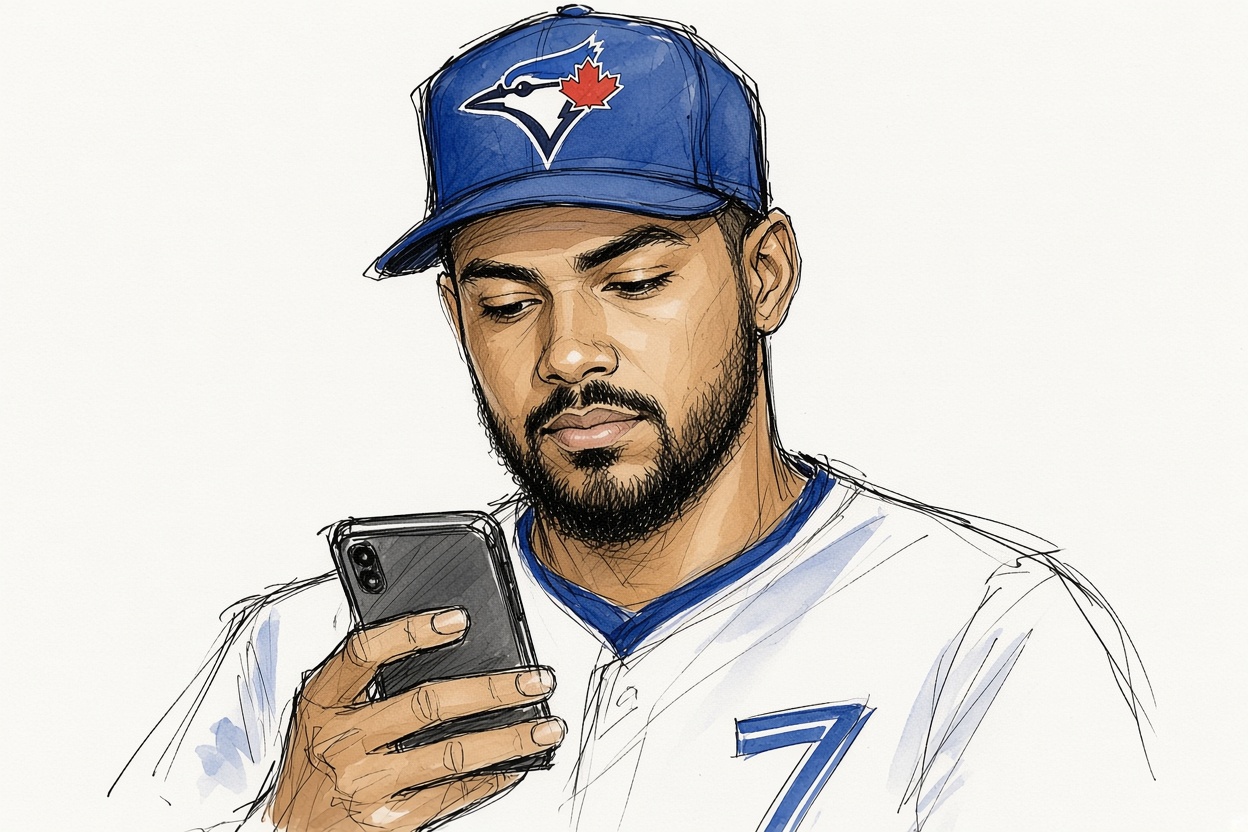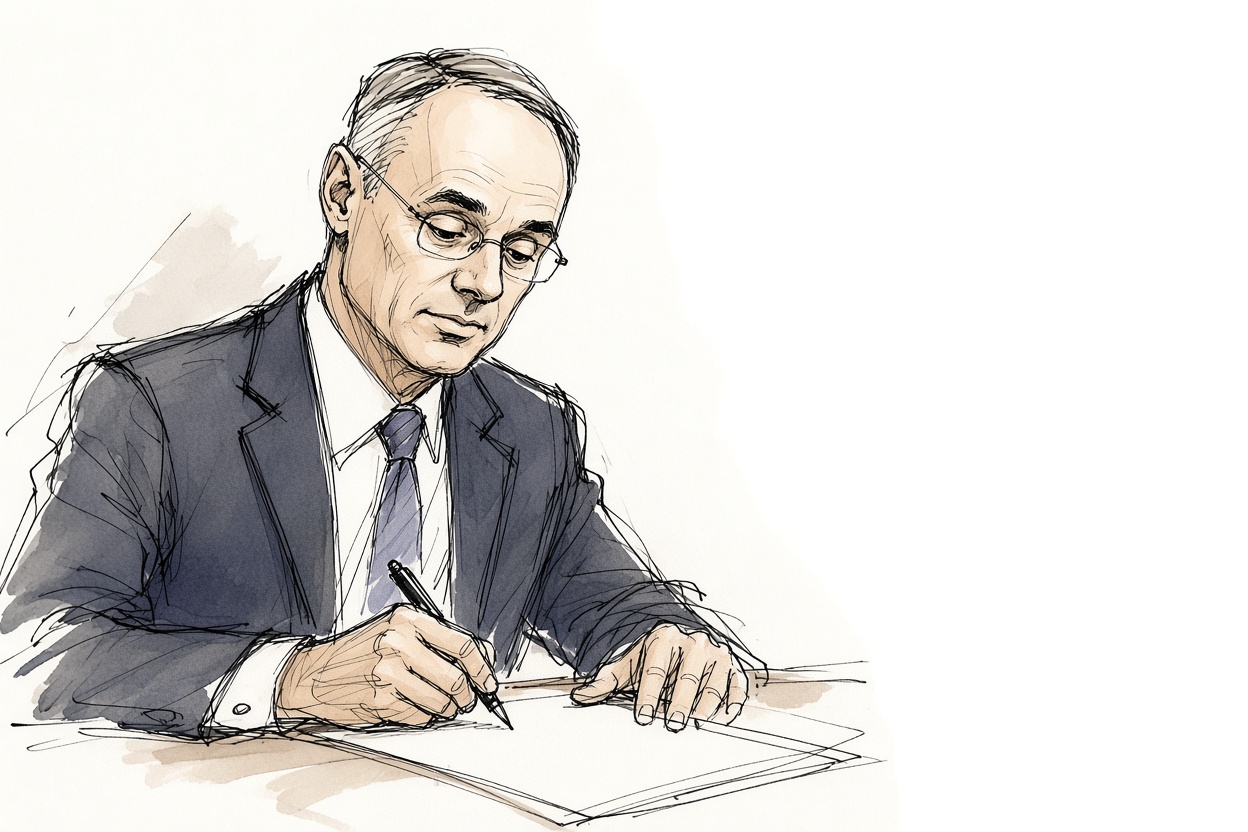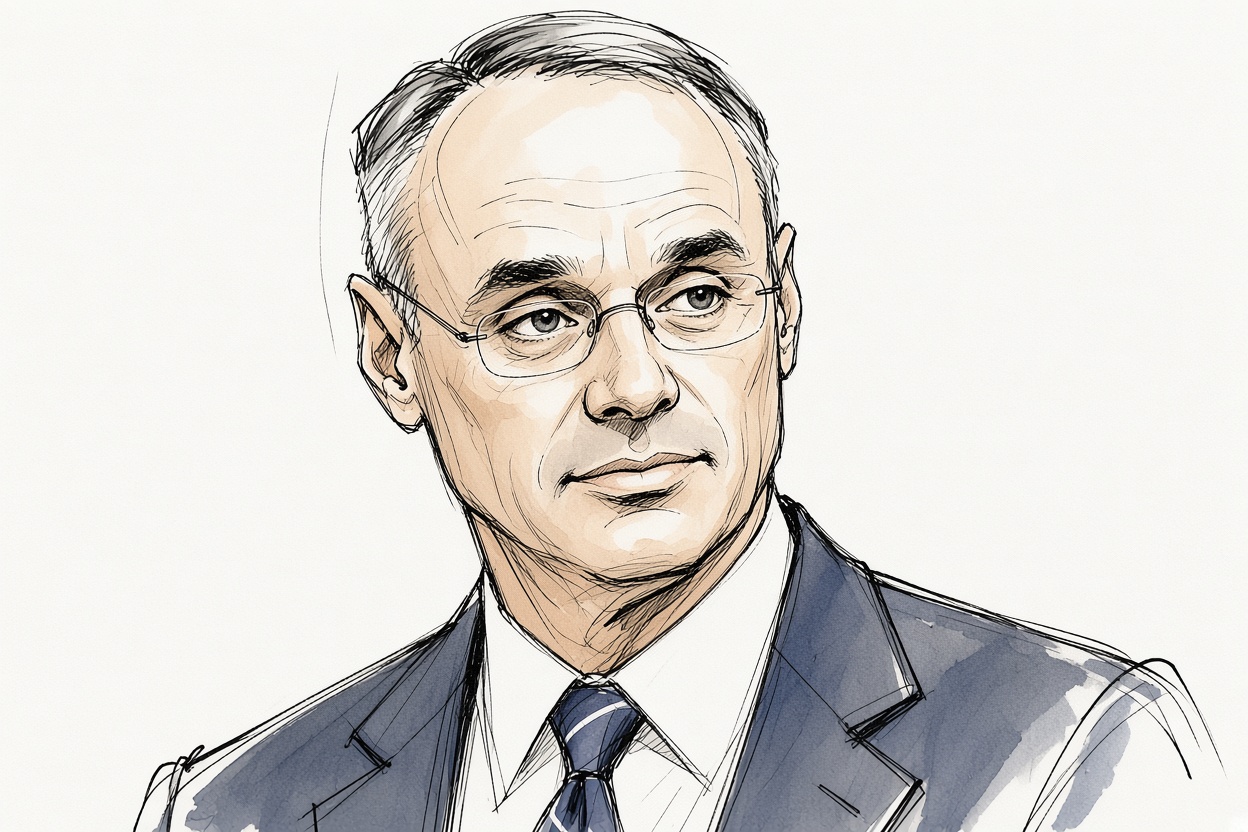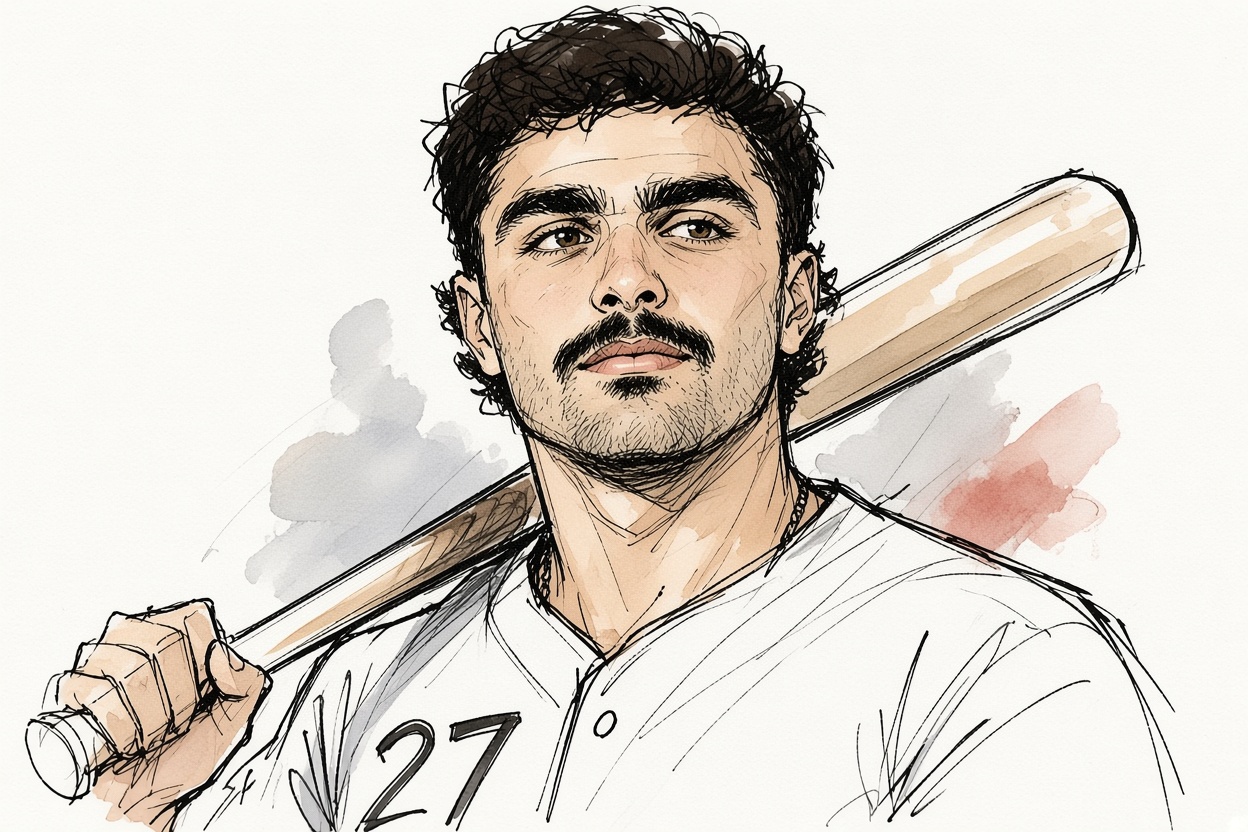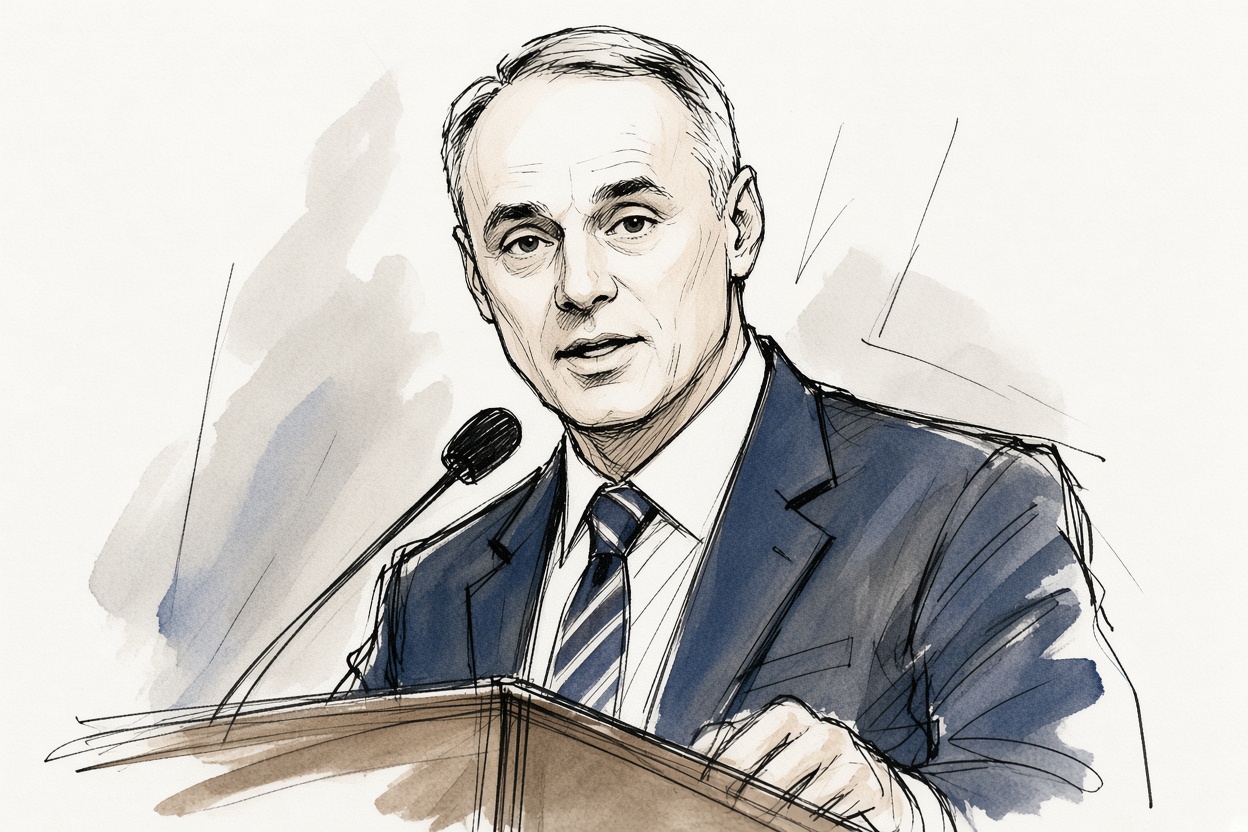
This is cover. MLB sent the players' union a salary-cap demand, called it a fix for the blackout problem every fan already hates, and pushed it onto the league's own social accounts like a highlight reel.
Start with the word choice. The proposal would, for the first time, classify all local media revenue as central revenue, shared equally across all 30 teams. That's the mechanism you'd actually use to loosen blackouts. But look at how the league describes the result. MLB's chief legal officer told reporters the plan would let the league "address another top fan concern of local TV blackouts." Morgan Sword, taking the pitch public, used the same word. Address, never end, never eliminate. Multiple outlets noticed MLB isn't claiming a cap will kill blackouts. Reporters know the difference between "address" and "end," and the league picked the word that commits it to nothing.
If ending blackouts were really the goal, MLB could centralize local media money and scrap the blackout policy today, without asking a single player to accept a payroll ceiling. Fans don't need a cap to get what they want. So why staple the two together? Because the blackout fix is the bait: attach the one popular idea to the one unpopular demand, take it straight to the public over the union's head, and dare the MLBPA to look like the side blocking your local broadcast.
We've seen this movie. In 1994 the owners wrapped a salary cap in the language of fairness and competitive balance and shut the sport down to get it. The costume is slicker now, built for a league that posts to its main account, but the play is identical: sell ownership's wish list as a fan-service initiative.
The responsibility sits with Rob Manfred and the owners, and it's especially galling this year, because the sport just produced the best possible rebuttal to its own pitch. The Milwaukee Brewers, one of the smallest payrolls in baseball, won the 2026 World Series after sweeping the Dodgers in the NLCS. The whole "we need a cap for competitive balance" argument took a championship-sized dent in October, and the league came back in November and proposed the cap anyway.
A cap bolted to real revenue reform could, in theory, improve balance and the long-term experience, even if blackouts don't vanish overnight. But look at what the players say it costs them. The union estimates the plan would strip more than $1 billion from amateur compensation over five years, including a $400 million cut from 2026 to 2027, and called the whole thing a "massive" reduction in player pay. Their read on the owners' motive is blunt: a system "designed to line their pockets and increase their franchise values." A package deal that transfers that much money upward while promising only to "address" the thing fans care about is a wish list with a fan-friendly label gummed to the front.
Blackouts are still a real, years-long failure. In 2026, fans of 22 of 30 clubs could finally buy blackout-free in-market streaming, and MLB had to step in and distribute local games for 14 of those clubs after regional networks dropped them. That mess is real, and the anger over it is earned. But MLB just signed three-year national deals with ESPN, NBC and Netflix running through 2028. It had the leverage and the room to fix this for fans on its own terms. Instead it held blackout relief hostage to a cap fight, with the current CBA set to expire December 1 and a lockout widely expected if there's no deal.
The union already said no, repeatedly, to every version of this, including the revised one that delays the cap to 2028 at $258.2 million with a $180.2 million floor. The moment you let MLB sell you a blackout fix it refuses to guarantee, you've agreed to pay for it with somebody else's salary. The owners built it this way on purpose.