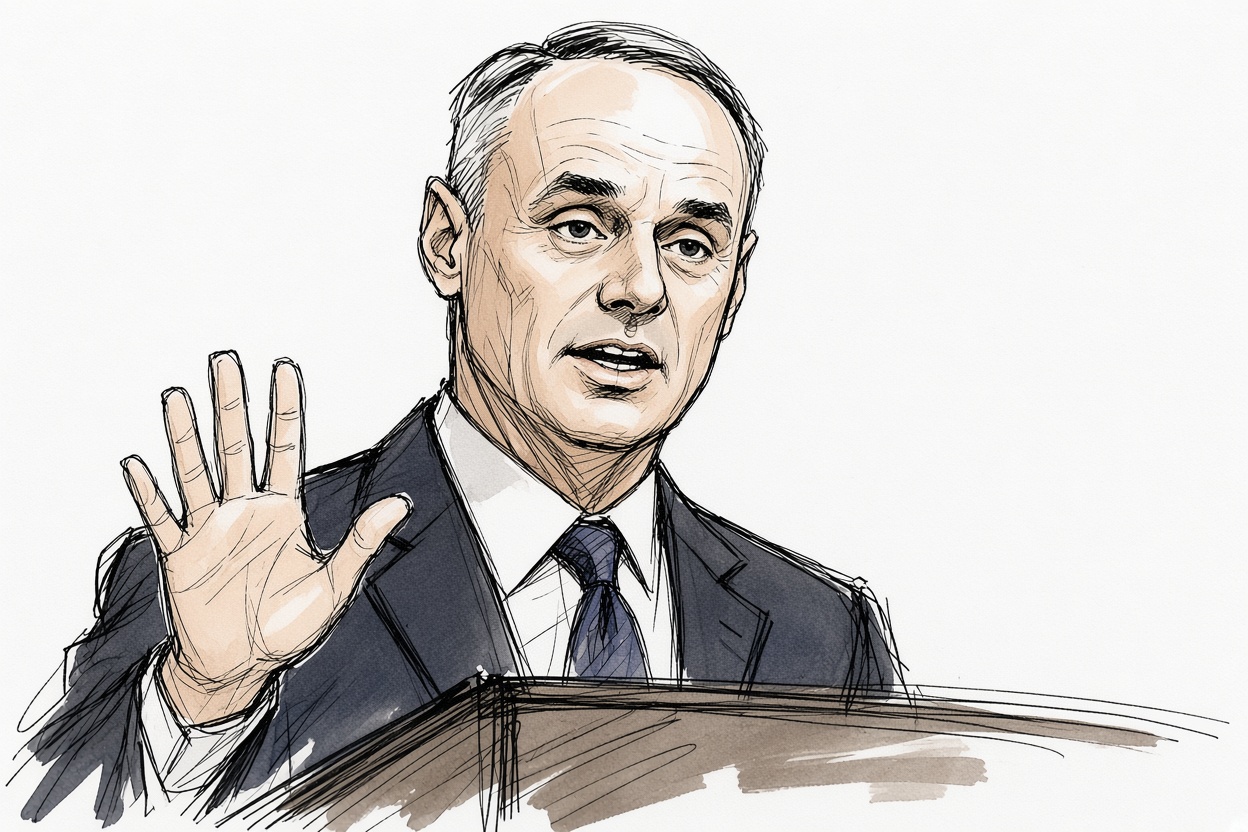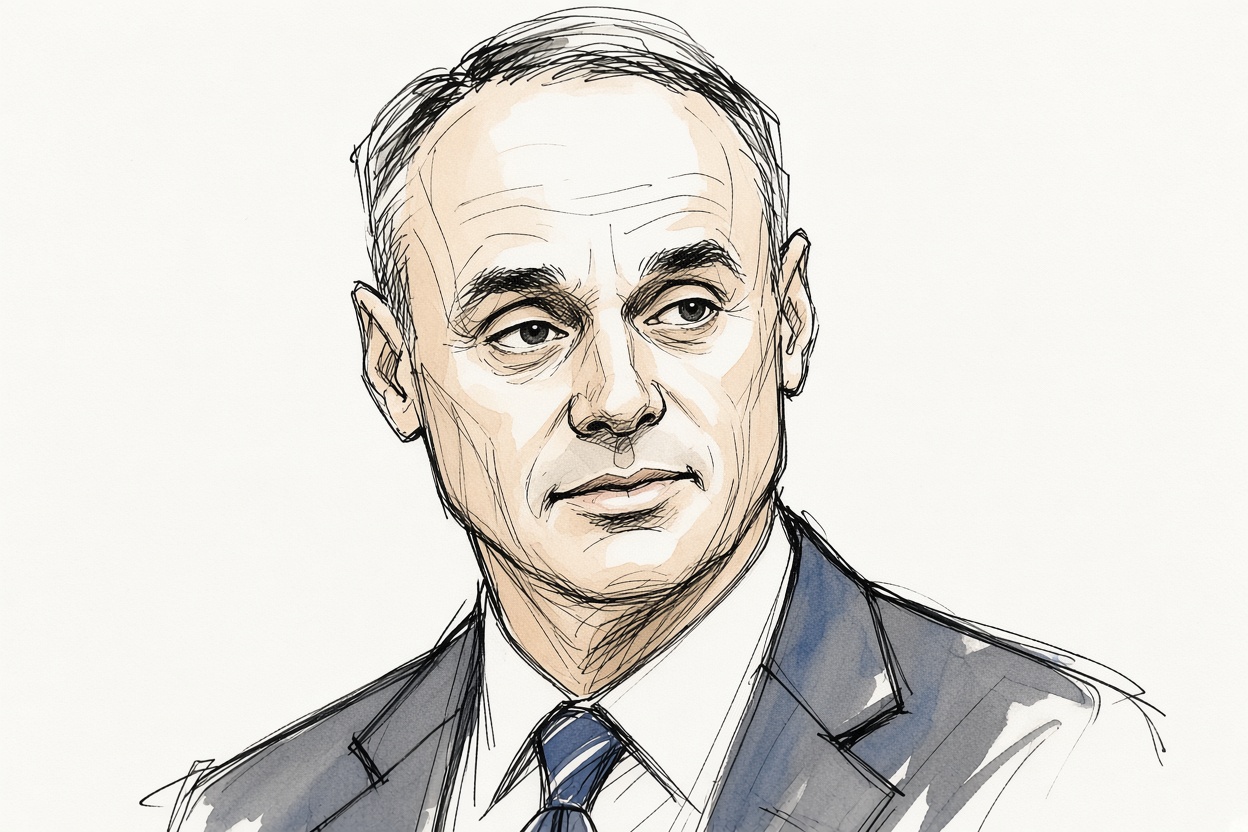
MLB's lawsuit against its own players is a bad-faith move, and Rob Manfred owns it. You don't ask a federal judge to declare a lockout legal unless you've already decided you're going to lock people out.
On Wednesday, November 25, MLB and the corporate entities behind all 30 teams filed a 38-page complaint in U.S. District Court in Manhattan. The defendants are the MLB Players Association and the eight players on the union's executive subcommittee: Chris Bassitt, Jake Cronenworth, Pete Fairbanks, Cedric Mullins, Marcus Semien, Paul Skenes, Tarik Skubal and Brent Suter. The current collective bargaining agreement expires Dec. 1 at 8:59 p.m. PT. With roughly a week left on the clock, the owners spent it with their lawyers.
What they actually want
The league is asking for a declaration that a lockout would not violate antitrust law, and that players can't ask a court to stop one with an injunction. There's no damages claim. Strip out the legal language and the complaint is a request for a permission slip to shut the sport down.
MLB says the goal is to "disarm the Union's planned 'nuclear option,' which would further delay the parties' negotiations." That option is the union disclaiming interest, which effectively means decertifying, so individual players could sue and argue that a lockout is 30 competing businesses joining hands to refuse to buy their labor. So far, the union hasn't announced any plan to do that. The owners went to court over a move the other side hasn't made, and they put the names of the players they're supposed to be negotiating with on the paperwork.
Then there's the venue. The league's own release said it filed in Manhattan so the case isn't heard "in some unrelated location cherry-picked by the Union to litigate their meritless claims." The league cherry-picked the courtroom first and then complained about cherry-picking. It shows how little the owners trust a neutral fight.
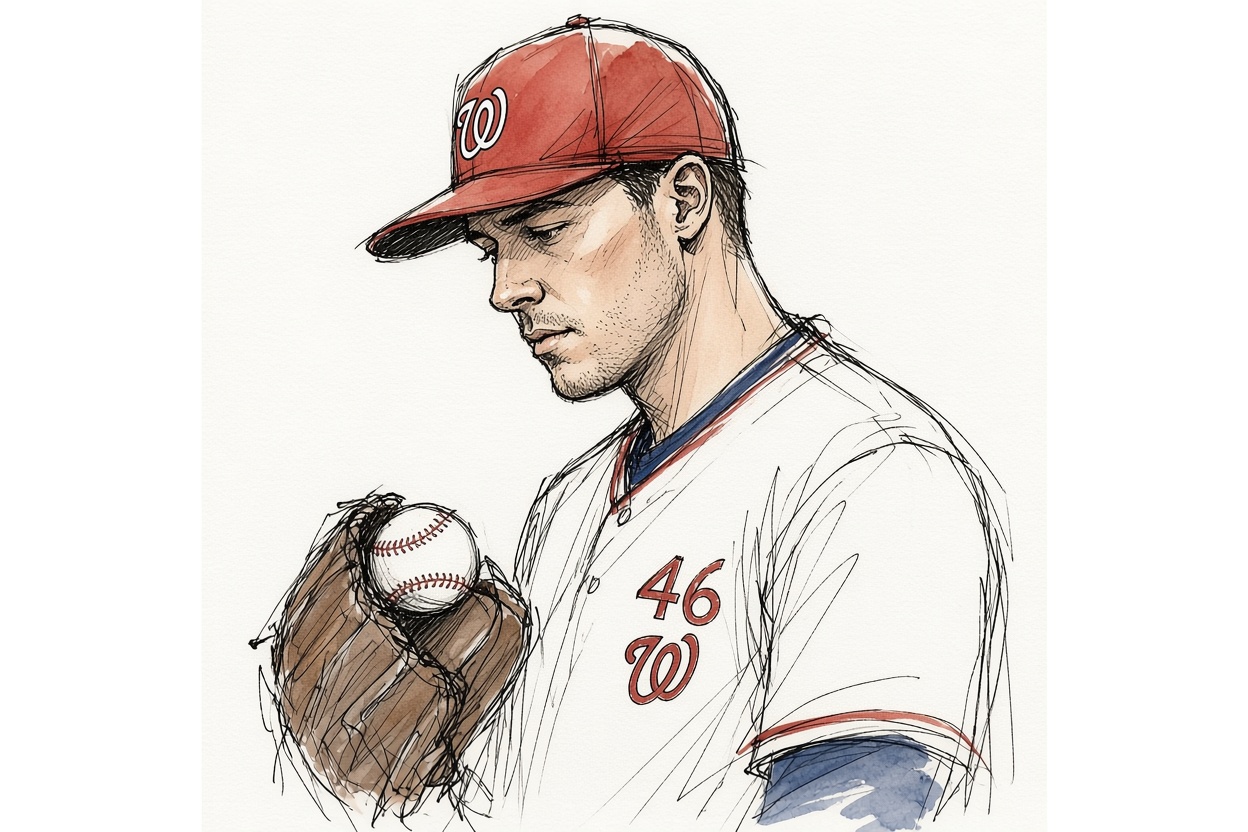
And look at who's on the defendant list. Tarik Skubal agreed to a record $450 million contract with the New York Mets just days before this filing. The Mets are one of the 30 teams whose ownership entities are suing him. The owners will hand a pitcher the biggest deal in the sport and sue him the same week, then tell you the players are the ones who won't play nice.
The owners' best defense
The strongest case for MLB is that the union is dug in too. The complaint says the players have "categorically refused to engage with MLB's salary cap and floor structure," and the MLBPA has called any cap a nonstarter. On that reading, this is a routine defensive filing by a league protecting itself from a predictable legal attack.
The problem is that saying no to a salary cap is bargaining. Players get to reject a proposal that limits what they can earn. Nothing in the law makes the owners lock anybody out, either. A lockout is a choice. Only the owners can make it. This lawsuit exists so they can make that choice safer for themselves. A league with no intention of locking out doesn't need a court to bless one.
Manfred also told reporters on November 18, "I can't imagine the owners ratifying a deal that does not include a cap and floor." One week later his owners accused the union of refusing to bargain over the cap. The commissioner announced his own red line in public and then sued the other side for having one. That's hypocrisy, and the union nailed it: "MLB's decision to run to court in the middle of negotiations rather than bargain in good faith is incredibly disappointing." The MLBPA also called the suit "completely frivolous."
Does this cost us games?
Nobody knows yet, and the history cuts both ways. The 1994 strike wiped out the World Series and 948 games across two seasons. The 2021-22 lockout lasted 99 days, pushed Opening Day from March 31 to April 7, and still squeezed in all 162 games on a compressed schedule.
That second example is the one fans should hope for. But the sport's in a worse spot this time. Both sides are already in federal court before a lockout has even started, and the issue at the center of it, a salary cap, is the one thing the commissioner says his owners won't move on. Fans bracing for real damage to 2027 aren't being dramatic. They've watched this league before.
If baseball loses games next season, don't split the blame down the middle. Rob Manfred and the owners who put their names on this complaint chose the courtroom over the bargaining table a week before the deadline, and every empty ballpark that follows belongs to them.