The salary cap is a pay cut for players, and the owners know it. This week MLB went to federal court to claim the opposite, framing the fight in the same language the league has used all year: competitive balance, smaller-market viability, and better pay for players beyond the game's biggest stars.
Better pay for all players, dressed up as an argument in a lawsuit against the players.
They've already decided to lock you out
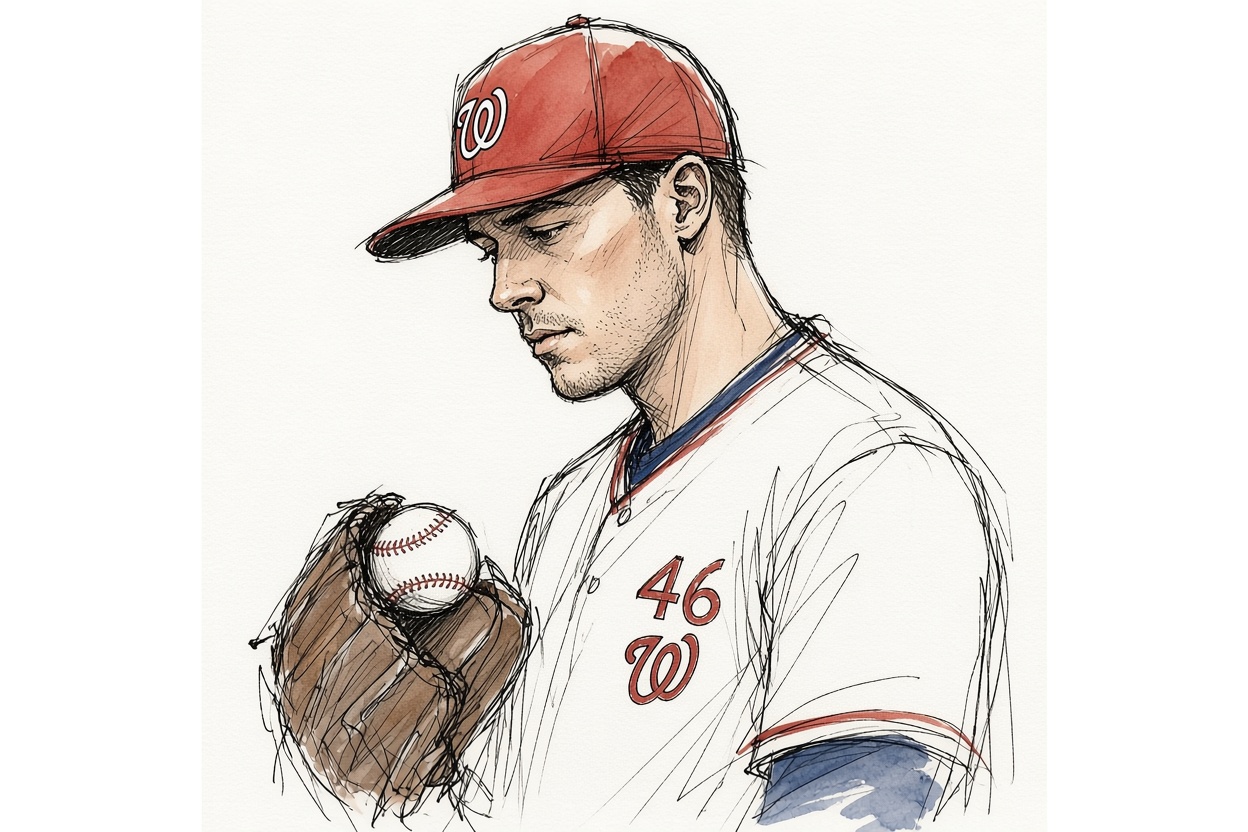
On Nov. 25, MLB sued the MLB Players Association and the eight players on the union's executive subcommittee, Tarik Skubal among them, in U.S. District Court in Manhattan. The suit asks a judge to declare the league's contemplated lockout legal and tries to head off any union move to decertify and fight the stoppage with an antitrust case.
The current labor deal expires at 11:59 p.m. on Dec. 1. Owners are expected to lock players out right after that deadline, which would be the sport's 10th work stoppage since 1972. A league that files to pre-approve its lockout a week before the deadline is planning a lockout, full stop.
The union called the suit "completely frivolous" and said MLB chose to "run to court in the middle of negotiations rather than bargain in good faith." That's exactly what happened.
The crisis that keeps losing to the facts
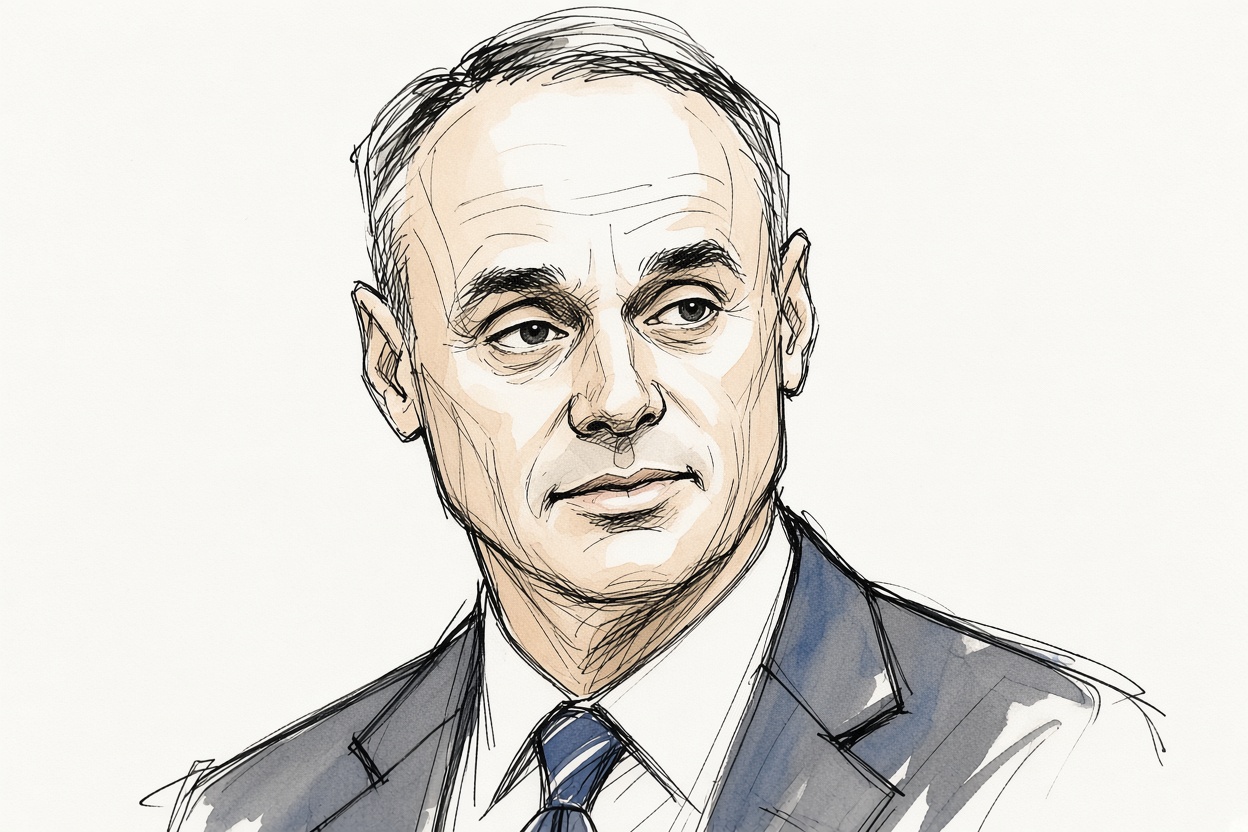
Rob Manfred has spent the year insisting that "Competitive balance is a serious problem, and it needs to be addressed." Look at the sport he runs. During the current CBA, 24 of 30 teams made the playoffs. The Milwaukee Brewers just won the first World Series in franchise history, beating the Tampa Bay Rays.
An MLB executive reportedly called Milwaukee's small-payroll title "truly aberrational." When your crisis keeps getting embarrassed by reality, you call reality a fluke. That's the move of people who picked the conclusion first.
Look at the checkbooks
Stan Kroenke has agreed to buy the Angels from the Moreno family in a deal that values the team and its regional sports network at $4 billion, with the sale expected to close early next year. The Mets agreed to pay Juan Soto $51 million a year for 15 years, the largest contract in MLB history at the time. The Dodgers gave Shohei Ohtani $700 million over 10 years.
Nobody in that group is struggling under the current system. Reporting on the owners' thinking points straight at the real motive: the belief that being the only major North American league without a salary cap is hurting franchise values. Owners want their teams to be worth more, and a cap on player pay is the lever.
The filing cries about small markets. Fine, look at one. When the Pirates signed Ryan O'Hearn to a two-year, $29 million deal in January, it was their first multi-year free-agent signing since Ivan Nova in December 2016. That drought was a decision made by Pittsburgh's ownership, and the rest of the owners let it ride for years. Now they want the players to pay for it.
The best argument the owners have
Manfred's strongest card is the floor. He says the cap-and-floor plan "guarantees the players 50% of revenue, ending a two-decade decline in the percentage of revenue being devoted to player compensation." Owners are allowed to want cost certainty at the bargaining table, and a floor would drag the cheapest teams into spending.
The union's chief, Bruce Meyer, estimates that "Had MLB's proposal been in place in 2026, players, we estimate, would lose over half a billion dollars." A guaranteed share that hands players less money than they actually made is a pay cut with a nicer name. Meyer called the plan "institutionalized collusion," and the label fits. If the floor were really the point, owners could chase one on its own. Manfred has said he "can't imagine the owners ratifying a deal that does not include a cap and floor." The ceiling is what they won't give up, because it's what saves them money.
That attempt to pit the union's rank-and-file against its own stars is ugly, and players should treat it that way.
You're the cover story
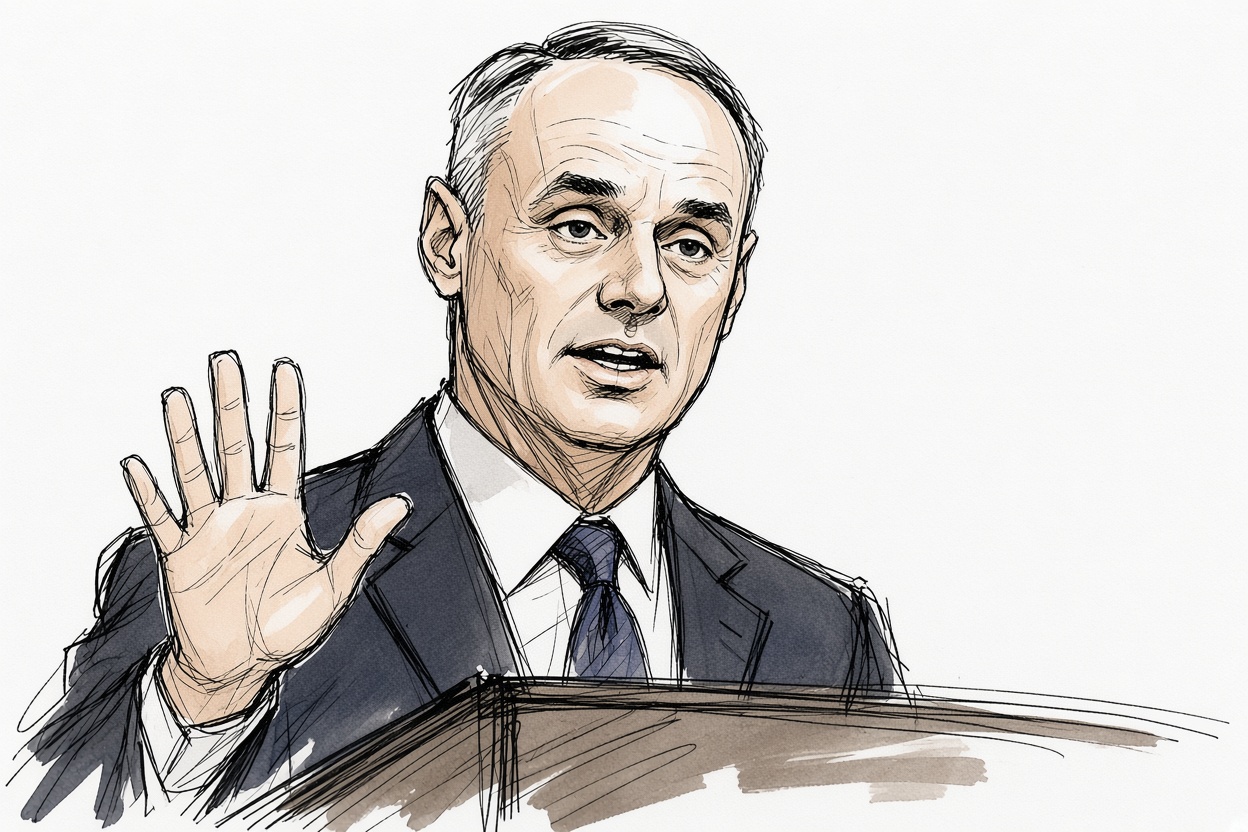
Manfred keeps reaching for the fans. "We are not prepared to tell 70% of our fans that they're wrong on this issue," he said. Fans who want their team to compete are right to want it. The owners are taking that wish and using it as cover for a pay cut, and they're counting on you to cheer while they do it.
This fight belongs to Rob Manfred and the 30 owners behind him. They demanded the overhaul and sold it with a parity crisis their own sport keeps disproving. Then they sued their players before the deal even expired. If 2027 opens without baseball, every lost game is theirs.