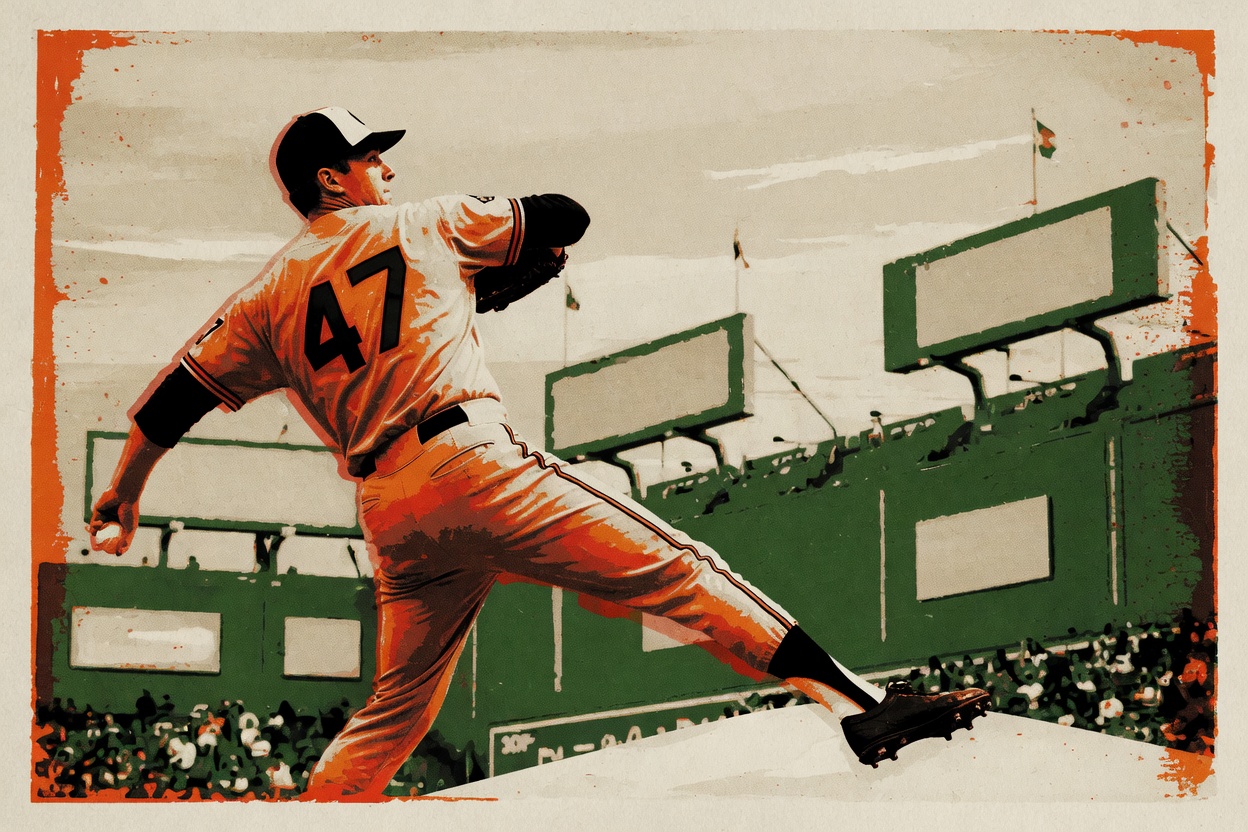
Fifteen straight wins was always going to end. Every streak does. What should bother Red Sox fans this week isn't that the number stopped at 15, tying the 1946 club's franchise record; it's how casually Boston handed Baltimore the blueprint to beat them.
In the nightcap of Wednesday's doubleheader at Fenway, the Orioles jumped on Eduardo Rivera for four runs in the first inning. He didn't even make it two-thirds of the way through before getting pulled. Dylan Beavers drove in a pair with a single, and Johnathan Rodriguez added a double off the Green Monster to stretch the lead. By the time Boston's bats woke up for a Masataka Yoshida RBI single, the game was already gone. Final: Orioles 5, Red Sox 1.
My issue is with how Boston got there. The Red Sox chose not to activate Ranger Suárez for that game and instead rolled with the inexperienced Rivera, and Baltimore's lineup made them pay before he'd recorded three outs. Boston had just tied an 80-year-old franchise record in the opener. They knew Baltimore was scrappy and desperate, still fighting for its footing (the Orioles' seven-game winning streak, their best of the season, had been snapped by this same Red Sox team just two days earlier). And Boston sent out a green arm in a spot that called for depth. That looks less like bad luck than a roster decision worth questioning.
 BAL49-53
Kyle Bradish, meanwhile, did exactly what you'd want from a pitcher making his first start after locking in a five-year, $90 million extension. Six innings, one run allowed, four strikeouts, efficient through his pitch count. That's more than a good outing; it answers whatever question Orioles fans had about whether that contract was premature.
None of this erases what Boston did over those 15 games. Tying a record set by a Ted Williams-led pennant winner is real, whatever happens next. But this doubleheader is a reminder that a win streak's length and a pitching staff's depth are two different questions, and Boston just got a rough answer to the second one. At the time of this game, Baltimore sat at 50-53 and Boston at 52-49, though both clubs have kept playing since, so don't treat those records as gospel by the time you're reading this. The standings will keep moving. The lesson about Boston's rotation depth shouldn't get forgotten once the next winning streak starts up.
This loss matters more than a typical streak-snapper because of who was on the mound for Boston and who wasn't. Baltimore didn't just win a game. It exposed a weakness the Red Sox need to fix before October gets here.