Point: Spend big. At the top, you need elite fees to win the league
Forget the fairy tale. At the top of the Premier League, you have to pay elite fees to win it. The "smart value" crowd wants you to believe you can outthink your way to a title on a shoestring. You can't, not up here.
Start with the numbers. As of July 15-16, 2026, with the window open since June 15 and running until September 1, Premier League clubs had already committed over £1billion this summer. Most expect the bulk of the business to land late, once the World Cup releases players back to their clubs. That's the cost of competing, not recklessness.
Now be honest about what kind of spending wins. Tottenham are the biggest gross spenders so far, at just under £230m under Roberto De Zerbi, but that's a rebuild, not a title charge. This club finished 17th in 2025-26 and only stayed up by beating Everton to sit two points clear of the drop, the day West Ham went down. Spending to survive and spending to conquer are different jobs. Don't confuse them.
Here's what the frugality crowd won't say: elite talent isn't on the clearance rack. The players who actually move the needle at the top command elite fees, because everyone wants them and only a handful of clubs can afford them. Value is a strategy for staying in the division, not for lifting the trophy.
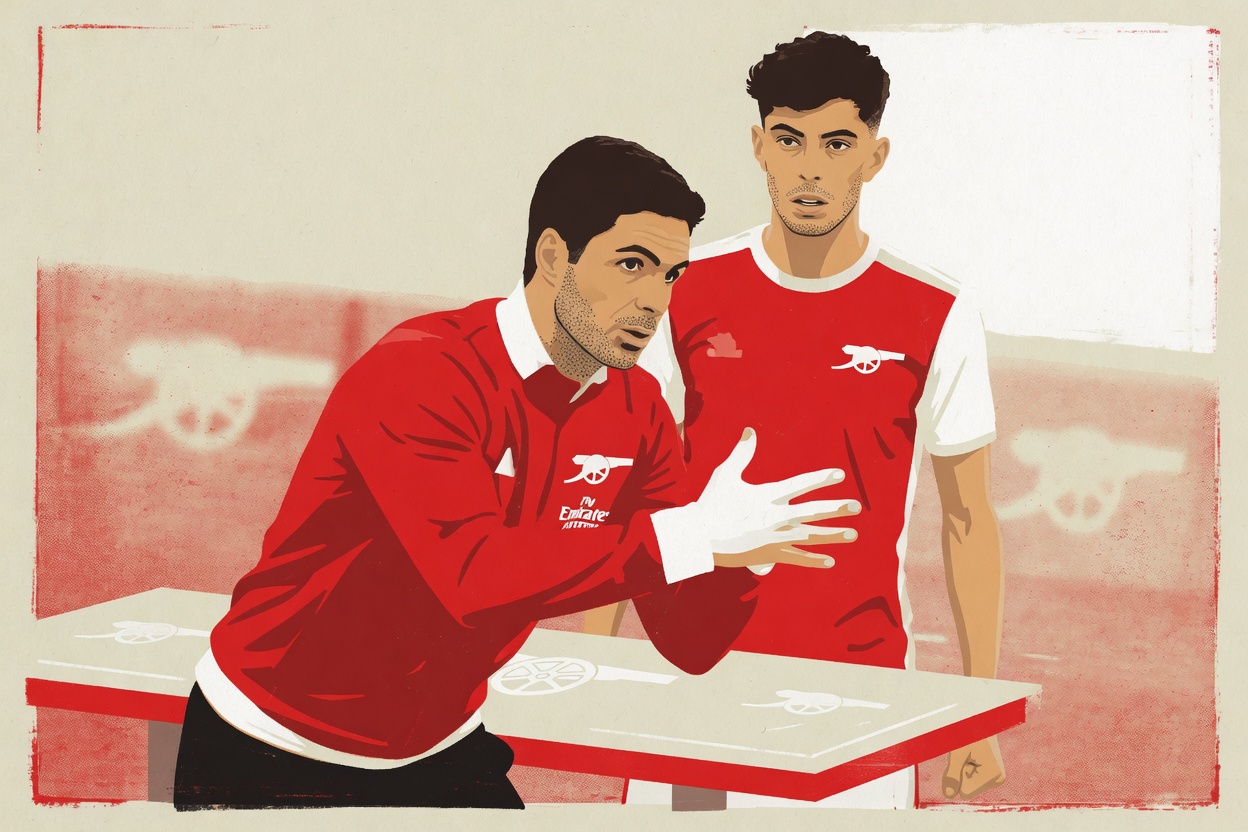
Even Arsenal, who ended a 22-year wait to be crowned 2025-26 champions, didn't do it by pinching pennies for two decades. They built a squad that could go the distance, and that took money.
Smart recruitment matters. But smart recruitment plus a fat cheque beats smart recruitment alone every time. The bill for winning is real. Pay it, or watch someone else lift the trophy.
Counterpoint: Build smart. Disciplined recruitment beats reckless spending
Disciplined, value-driven recruitment beats reckless spending, and it isn't close. The chequebook buys headlines in July. It doesn't buy a trophy in May.
Start with this summer's leaderboard. Premier League clubs have already committed over £1billion combined, with weeks still to run before the window shuts on September 1. The biggest gross spender so far is Tottenham Hotspur, who've splashed just under £230m: £92.5m on Sandro Tonali, £85m on Mateus Fernandes and £52m on Jan Paul van Hecke, plus a clutch of frees.
Why are Spurs spending like that? This is a survival-and-rebuild job, not a title chase. In 2025-26 they finished 17th, scrambling to two points clear of the drop zone, beating Everton on the final day as West Ham went down. Roberto De Zerbi has been handed a fortune to fix a mess that money helped create in the first place. That's the cautionary tale, not the aspirational one.
Now look at who actually won it. Arsenal ended a 22-year wait to be crowned 2025-26 champions, a title built over years of coherent, position-by-position squad construction rather than one panicked summer of overpayment. That's the model. You win by knowing exactly what you need and refusing to be bounced into paying a premium for it.
There's a timing detail that backs this up: with the World Cup still running, most clubs are holding their nerve and doing business late, waiting for players to return to their clubs. The teams throwing nine-figure sums around early aren't ahead of the game. They're often the ones with the most to fix.
Big fees are as often a symptom of desperation as a sign of ambition. The champions get there by being smart; everyone else pays for it.