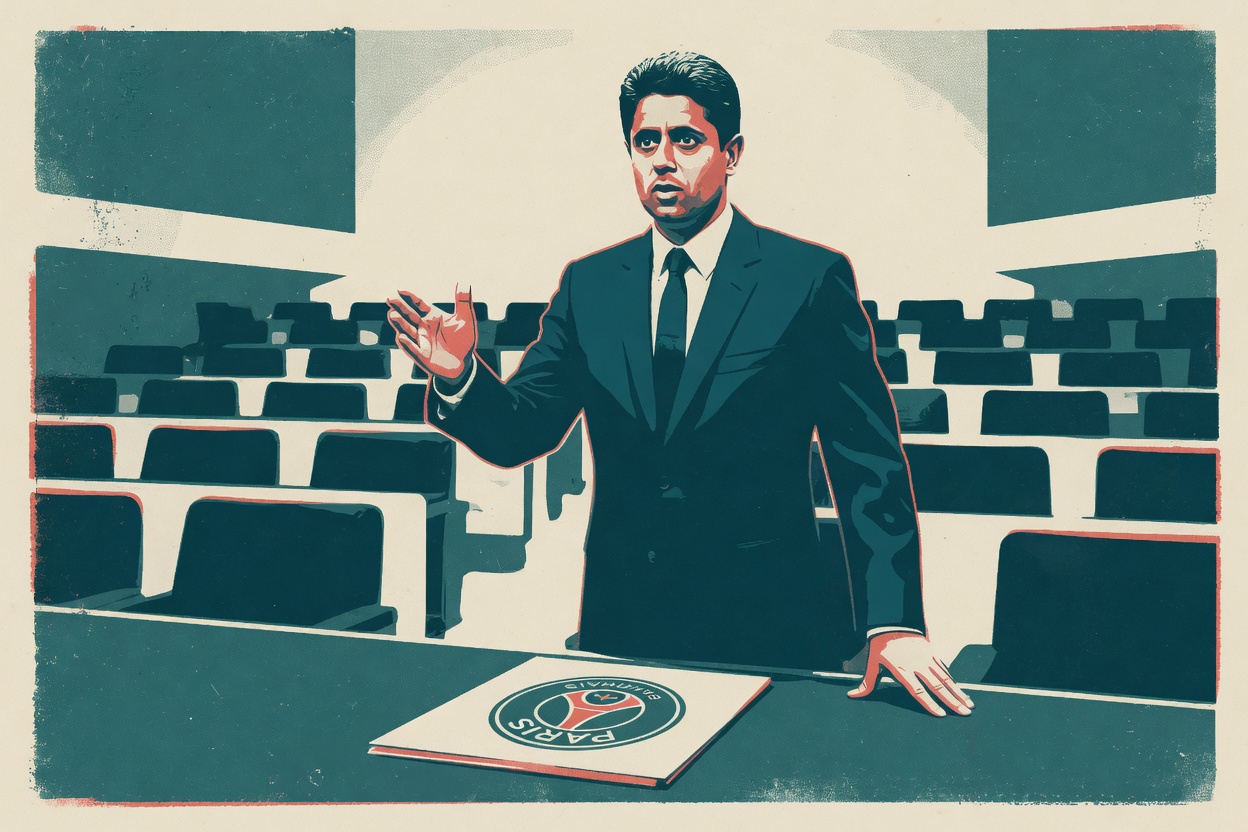
Yes, PSG have an unfair advantage, and the squad rotation everyone keeps arguing about is the least of it. Rotating a deep squad against a soft domestic league is what any club would do if it could. The scandal is the thing that makes the rotation pay off: PSG get to decide when some of their biggest league games are played, and the French league keeps saying yes.
There's real evidence for that. In spring 2026, with PSG chasing a Champions League run, Ligue 1 postponed their match against RC Lens at the club's request to ease congestion ahead of their European ties against Liverpool. The original April 11 fixture was pushed to May 13. Lens, sitting second at the time, a point behind PSG with a game in hand, were furious, and they were right to be. Their statement called any attempt to move the date "unsportsmanlike." The competitive hit was obvious: Lens wouldn't play a competitive match for 15 days, then would have to grind through games every three days while the leaders got a tailored breather.
It wasn't a one-off either. That same season, the league had already granted PSG a postponement for a match against Nantes that fell awkwardly between two Chelsea fixtures. Go back further and the pattern holds: in 2020, the French league moved PSG's season opener to give them more recovery time after a Champions League run. Different year, same direction. The calendar always seems to flex for one club.
The defenders of this have a point worth hearing. The vote to move the Lens game was unanimous at Ligue 1's board level, Strasbourg's game was shuffled too, and PSG's own president and chief executive abstained rather than vote on their own request. The league justified the whole thing on collective grounds, saying the decisions served the "clear strategic aim of enabling France to retain its fifth place in the UEFA coefficient rankings, which secures four places in the UEFA Champions League." The argument is that everyone benefits: France gets four Champions League spots. Call it patriotism.
That's the part that doesn't survive contact. A justification that always points the same way is a cover story. Lens saw it clearly, warning of "a worrying sentiment is taking hold: that of a French league gradually being relegated to the status of an adjustment variable at the whim of certain parties' European imperatives." When the smaller clubs in your own league are telling you the schedule has become a service for one member, the coefficient speech isn't fooling anyone.
The abstention vote doesn't clean anything up. Nasser Al-Khelaifi is PSG's president. He also sits on the board of the French Professional League, the body that reschedules his club's fixtures. He has been a member of the UEFA Executive Committee since 2019, reappointed through 2028. And he has chaired the European Club Association, the body that lobbies UEFA on behalf of clubs, since 2021. One man sits in all three rooms: the club that benefits, the league that bends the calendar for it, and the European body that's supposed to police all of it. No rival club president holds that hand. You don't need him to cast a single vote when he's sitting at every table where the votes happen.
Now put the money next to it. UEFA fined PSG €10m in 2022 for breaking financial rules, with a further sum suspended. That followed a 2014 settlement and a formal investigation in 2017 after the club spent €222m on Neymar and €180m on Mbappé in a single window, then added Messi on a free in 2021. A regulator fining a club while that club's president sits on its Executive Committee isn't much of a regulator. PSG are both the star of the show and a shareholder in it.
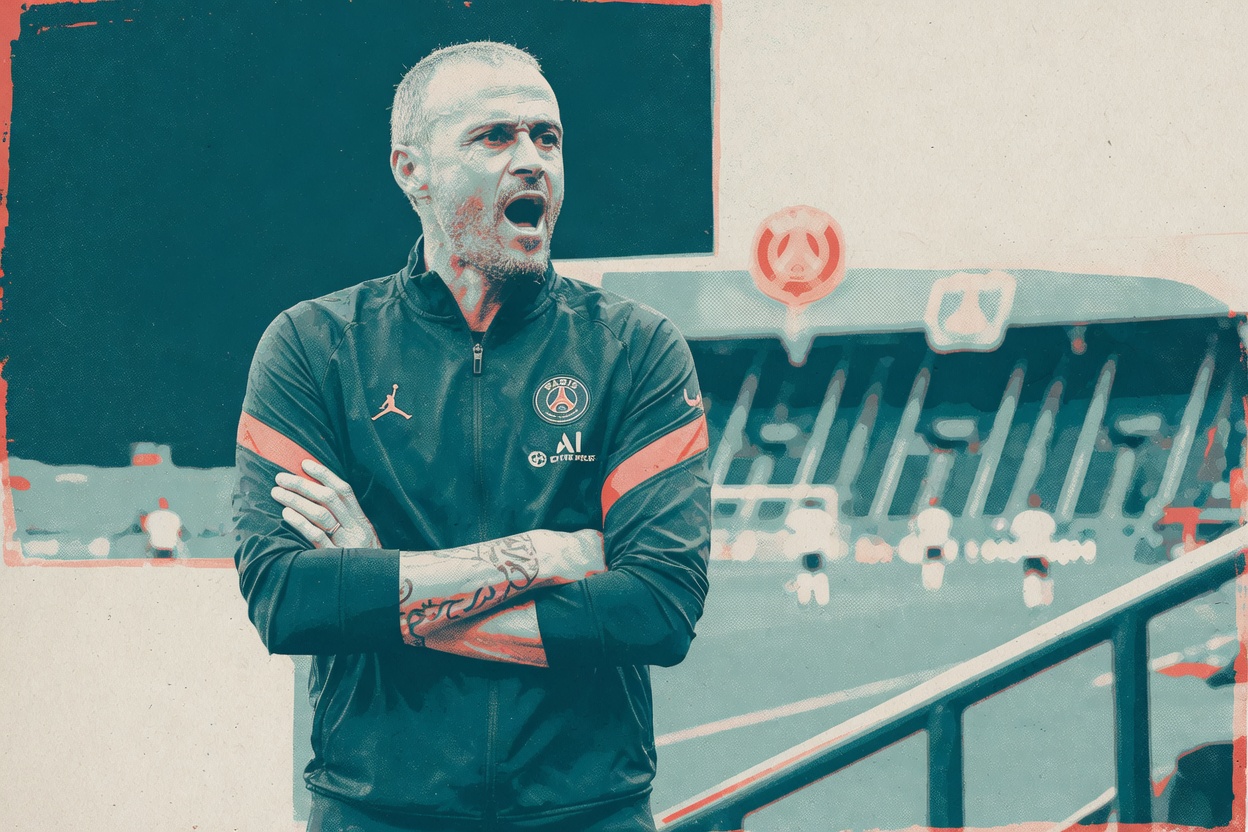
The strongest thing on the other side is the football, and it's strong. PSG won the Champions League in 2025, beating Inter 5-0, then retained it in 2026, beating Arsenal on penalties after a 1-1 draw. Luis Enrique, in charge since 2023, built a team good enough to go back-to-back, something barely any side manages. That's real, it's earned on the pitch, and no fixture postponement scores a goal in a final. The coaching deserves its credit.
But giving Luis Enrique his due doesn't launder the structure around him. A great team can also be a protected one. The tactics are his. The extra rest, the shuffled calendar, the governance seats, the fines that land like confetti: none of that came from the training ground. PSG have won two European Cups. Their 2026-27 campaign isn't finished yet. They can obviously play. The same leadership helps set the rules, sits on the board that bends the calendar, and runs the club that cashes in on both. That's not a competitive edge anyone else is allowed to have.