Yes, you should be worried. The Rays and White Sox are playing the best baseball in the American League right now, and the cheapest owners in the sport are watching them do it, looking for a reason to keep their checkbooks shut.
As of Wednesday, both teams hold 2-0 leads in their best-of-five Division Series, the Rays over the Yankees and the White Sox over the Guardians. Neither series is over. Game 3 is still to come. But a 2-0 lead in a five-game set is about as close to a done deal as baseball offers, and teams that grab it almost always close it out.
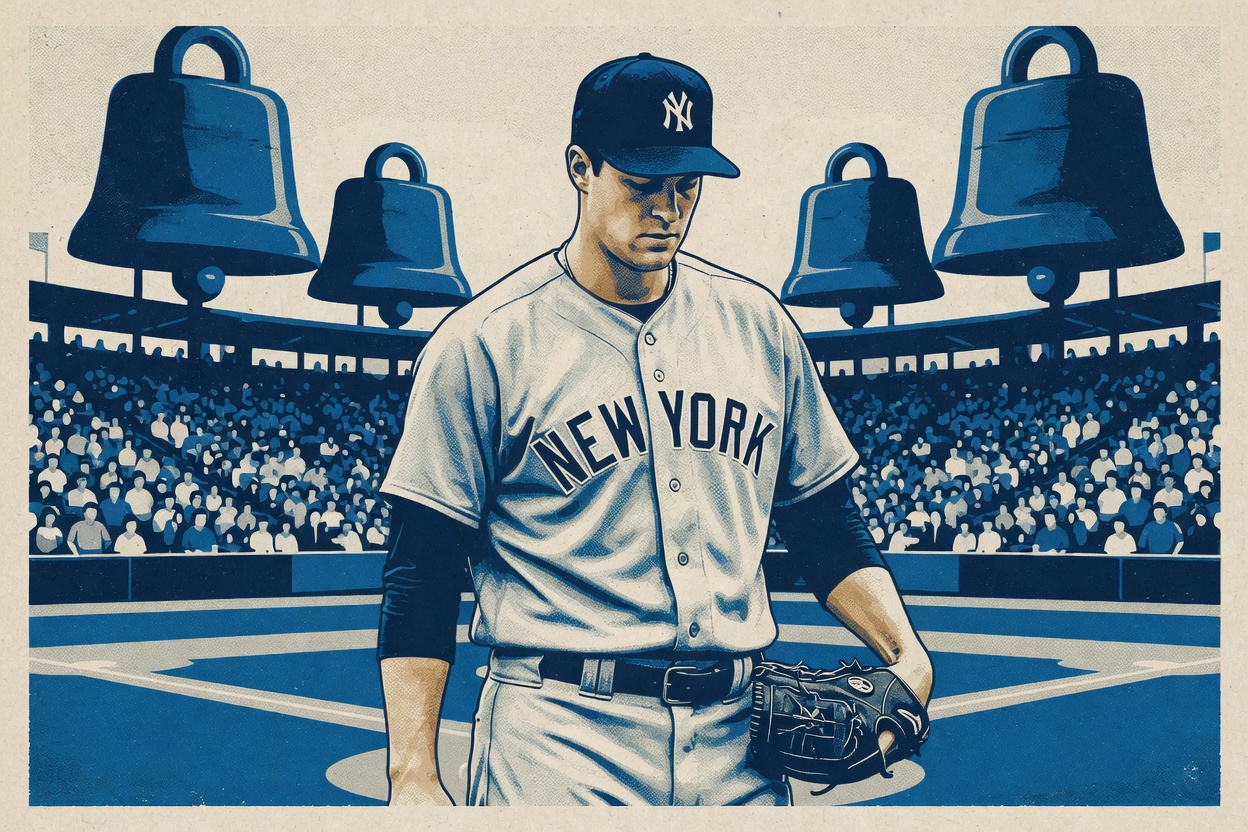
Look at who's getting bulldozed. The White Sox already knocked the Astros, a top-10 payroll team, out of the Wild Card round, Chase Meidroth's three-run homer doing a chunk of the damage. The Rays beat a Yankees team carrying the third-highest payroll in the sport, in a game where New York made four errors. Chicago has the fifth-lowest payroll in baseball. Tampa Bay sits among the five or six lowest. Meanwhile the Mets, who ran out baseball's biggest payroll at $345.8 million, are sitting at home, and the Guardians, who carry the single lowest payroll at $74.2 million, are in the postseason for a third straight year.
Fans will say spending doesn't win, that the little guys just proved it, and that people need to stop whining about payroll. Others will counter that teams like the Rays only get here by developing cheap talent and then paying to keep it - that's smart operating, a different claim entirely from money not mattering.
Both arguments skip the real problem. These front offices are good, and the rich ones were bad. The Yankees didn't lose because money doesn't matter. They lost because they threw the ball into the dirt four times in an elimination-caliber game. It's a management failure.
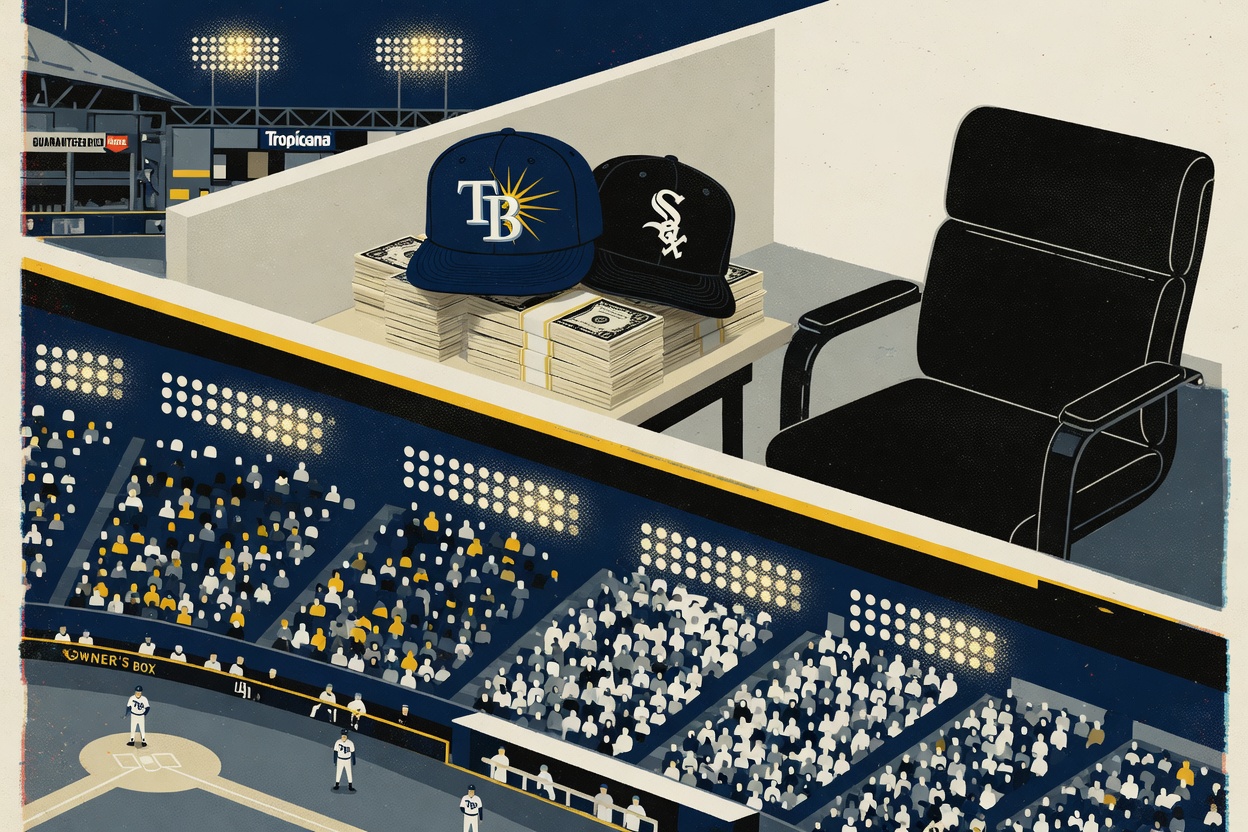
Cheap owners won't read it that way, because they don't want to. A billionaire who already treats his franchise as a revenue-sharing checking account sees the Rays in the Division Series and says, loudly, see, you don't need to spend. It's the perfect alibi. Pocket the national TV money, pocket the revenue sharing, field a payroll a mid-market soccer club would be embarrassed by, and point at Tampa Bay when the fans complain. The Rays winning becomes the marketing slide for every owner who wants to do less.
Baseball has a fix for this and refuses to use it: a salary floor that forces every owner to put a real roster on the field whether he feels like competing or not. Without one, nothing stops a man worth billions from running a Triple-A payroll and pocketing the difference.
The Rays and White Sox playing this well on this little is a genuinely great story. It curdles the moment a cheap owner uses it as cover to field a roster he has no intention of improving while cashing the same checks everyone else does. Blame that owner. Blame a sport that built a system with no floor to stop him.