Does a Rays-Brewers World Series prove MLB's low-payroll teams don't need a salary cap? Sort of. But the more interesting story is that a lot of cheap franchises have an ownership problem they keep blaming on the economics of the sport.
Start with what's true. The vast majority of champions in this sport still come from the top of the payroll table. Tampa Bay and Milwaukee reaching the Fall Classic in the same year is rare, and pretending it's the norm would be dishonest. One good October from two well-run clubs doesn't erase decades of money buying trophies.
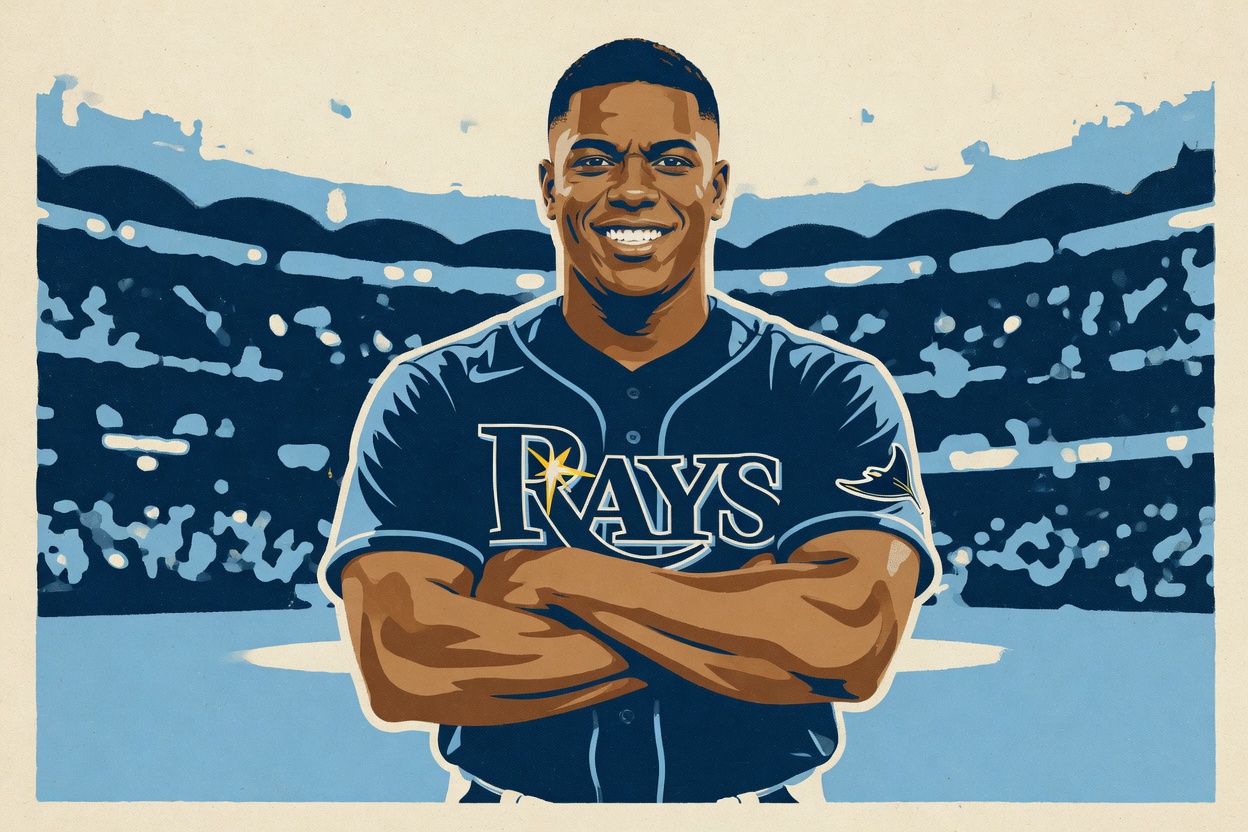
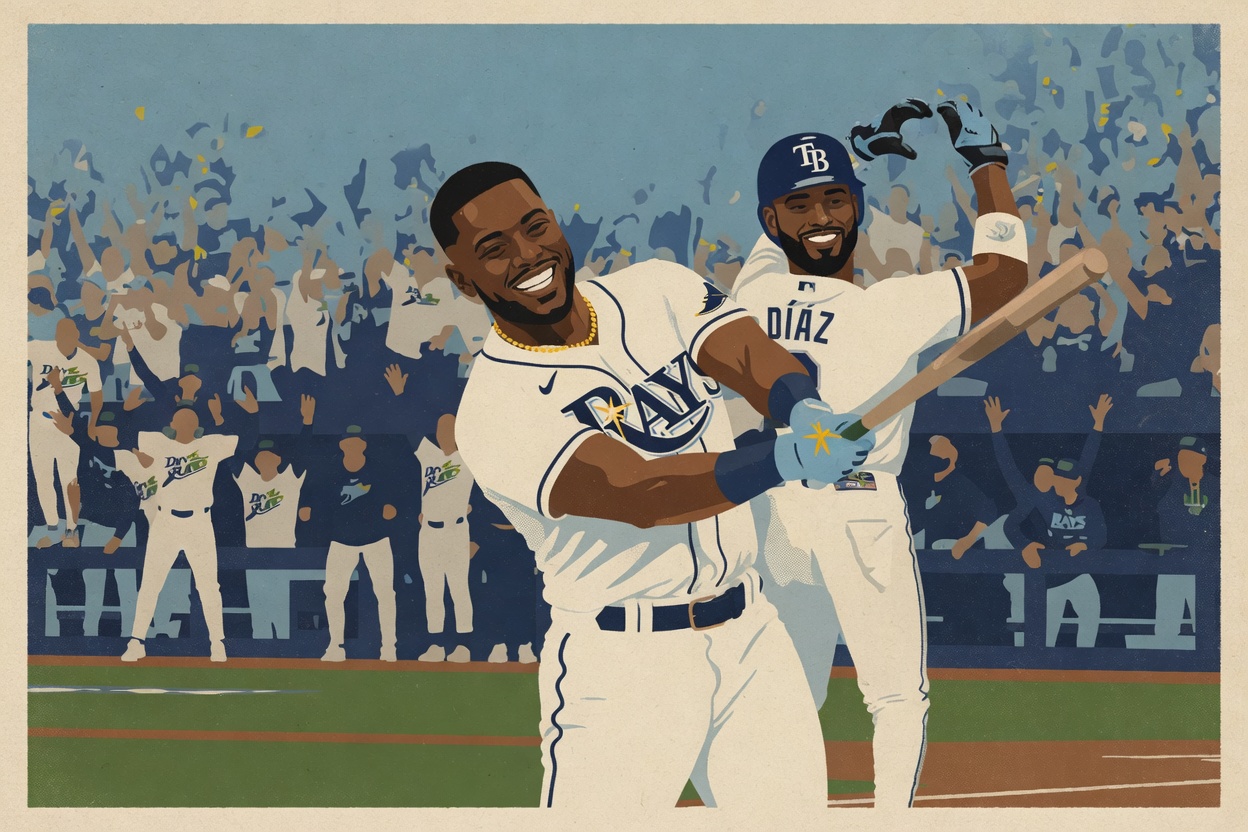
But "possible" is carrying the entire owners' case, and almost none of reality. Yes, it's possible to out-scout and out-develop a roster that costs far more than yours. The Rays are living proof. Two of their stars, Junior Caminero and Yandy Diaz, started in Cleveland's organization before the Guardians shipped them out. Caminero went to Tampa Bay in exchange for righty Tobias Myers. Cleveland's own baseball boss, Chris Antonetti, called it "a bad trade." So a Guardians club built on one of the smallest cash payrolls in the game, roughly $74 million, watched players it developed and discarded play for a pennant. The front office misjudged two players it developed itself and let them walk for too little.
Entering Game 1, the owners already have their slogan ready: look, you can win without spending. And they're running with it. The talk around the game is that ownership groups are reading this World Series as permission to cut payroll, when they should be studying how Milwaukee and Tampa Bay built smarter front offices. If Milwaukee and Tampa can do it, the logic goes, nobody has to raise a dollar, and a few can shave some off. Any honest person looks at this Series and concludes the opposite, and the cheapest owners in baseball have decided to conclude whatever gets them out of writing a check.
Ken Rosenthal, who argues that fans of low-payroll teams should stop demanding a cap and start demanding better front offices, said the quiet part out loud: payroll disparity is "a legitimate concern," but "the coming labor Armageddon is much more about the owners' desire to raise their franchise values than it is about competitive balance." He's right on both counts. Disparity is real. The cap being pushed toward the December 1 lockout isn't a fix for it.
Big spending guarantees nothing, either. The Dodgers handed Kyle Tucker a four-year, $240 million contract and got the worst season of his career. They're still living with Trevor Bauer, three years and $102 million that ended in the longest domestic-violence suspension the league has ever handed down. Money gets wasted spectacularly. Nobody serious thinks payroll is destiny.
The union should push for something simpler in 2026: a real spending floor with teeth, audits of the revenue-sharing checks, and a way to make the Pirates-and-Marlins tier of owner actually spend the money the system already hands them. A floor might even force Tampa Bay itself to spend more. The cap debate is far from settled. But the Rays and Brewers did expose which owners have been lying about why they refuse to try.