This Red Sox loss felt less like a fluke than a rerun of the same problem.
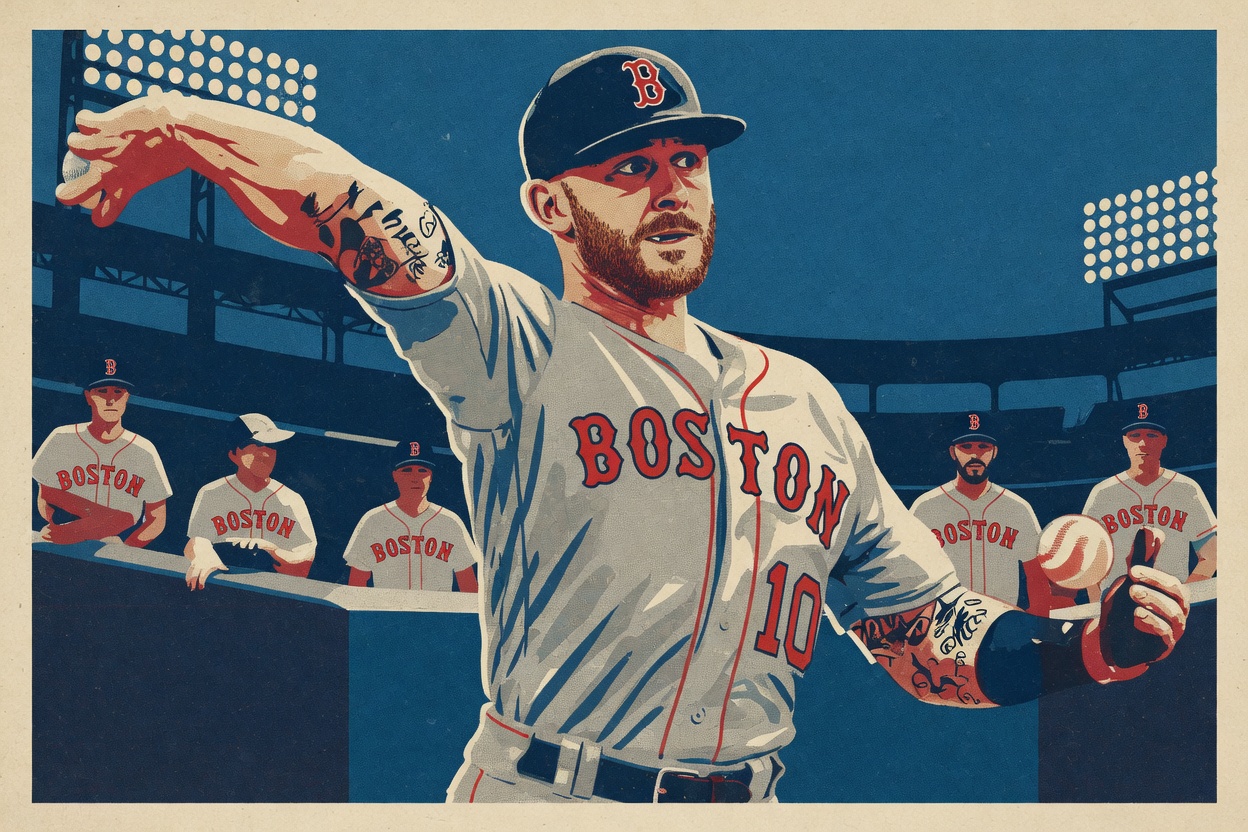
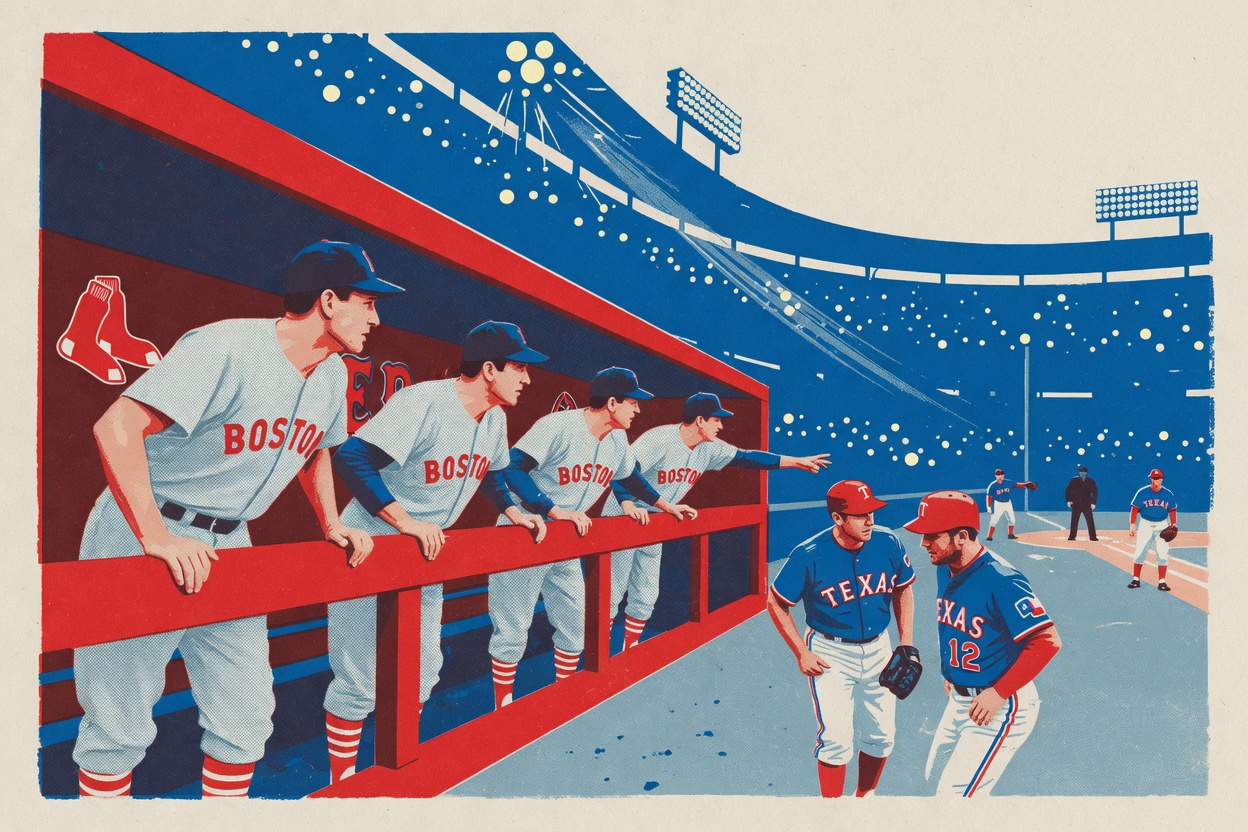
Boston fell to Texas 2-4, and if you watched it, you already know the shape of it. A two-run homer off the bat of Nick Sogard was basically the entire offensive output. Everything else was Boston players jogging back to the dugout with runners still standing on the bases. They left the bases loaded in the fifth inning, then left them loaded again in the eighth. Interim manager Chad Tracy said afterward he was lamenting missed chances to tie the game with nothing more than a single. When your manager is talking about how a single would've done it, and you still don't get the single, that's a pattern, not bad luck.
The game's turning point wasn't subtle. Boston's starter allowed four runs in only 2⅔ innings, with basically all of Texas's damage coming in one loud second-inning stretch, and the bullpen had to soak up the rest of the game from there. Once you spot a lineup like Texas's a four-run inning that early, you're playing from behind for six innings with an offense that's had trouble scoring in bunches all month. That's the math that beat Boston here, not any one Texas hero.
This loss doesn't exist in a vacuum, either. Boston's season has been a rollercoaster: an ugly start that got Alex Cora fired in April, a Chad Tracy-led turnaround that included a stretch of games good enough to tie a Red Sox record dating back eight decades, and now a September cooldown where the offense has ranked among the worst in the majors by average and OPS this month. This looks like more than one bad night: a team that's shown it can go cold for extended stretches, and right now it's cold again.
As of mid-September, Boston still had a real cushion for a wild card spot over Cleveland, and that cushion buys some patience. One loss to a scrappy, contending Rangers team isn't a crisis by itself. But the way they lost it is the worry. A lineup that needs one home run to manufacture its only two runs, and can't convert bases-loaded chances into anything, is a lineup that's going to get exposed the moment the calendar turns to October pitching. Boston still trails the Yankees for the top wild card spot, standings as of mid-September, and the margin for this kind of offensive no-show keeps shrinking as the season winds down.
If this offense shows up in the postseason the way it showed up against Texas, stranding runners and waiting on one swing to bail them out, Boston's October is going to be short. They've proven this year they can catch fire. They've also proven, more than once, that they can go cold at the worst times. This looks like one of those times.