A clip is making the rounds of Bryce Harper being gloomy about baseball's future, and a chunk of the internet decided he's being a drama queen. Wrong target. Harper is telling you the truth, and the people who've earned your anger are the ones who own the teams.
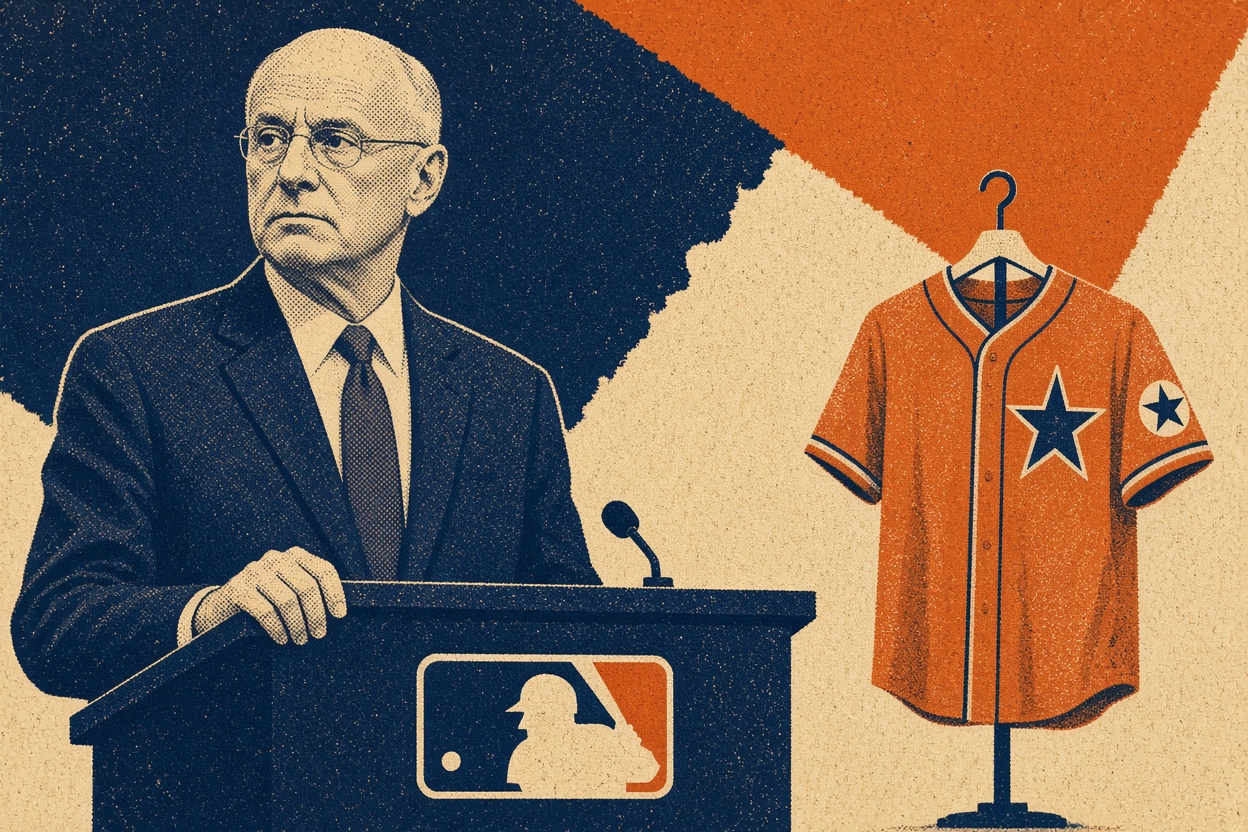
Start with what's no longer up for debate: MLB's collective bargaining agreement expires at 11:59 p.m. on Dec. 1, and the owners are expected to lock the players out the next day. Basically everyone covering these talks expects it. The last lockout, in 2021-22, ran 99 days and ate into the regular season before a deal got done. Nothing says this one won't do the same.
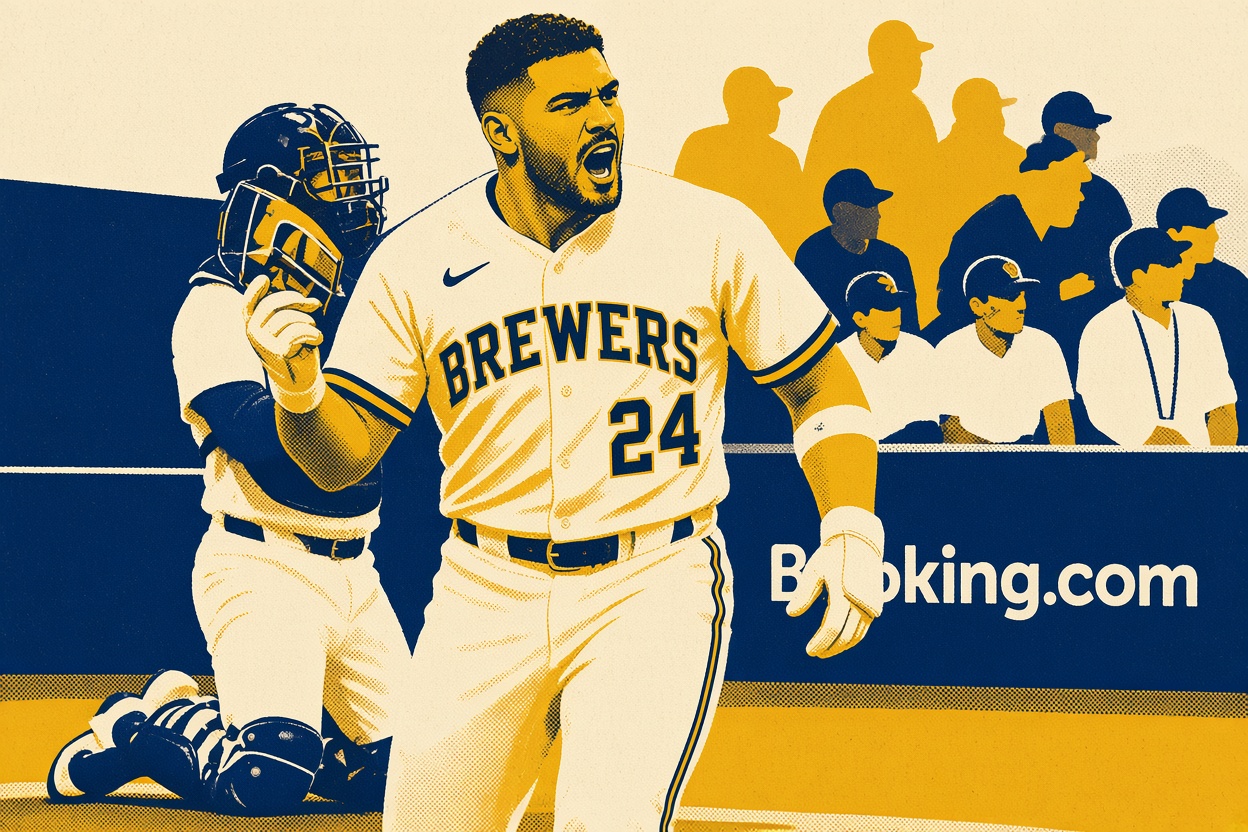
When Harper gives bleak answers, he's just saying what he's seen. Back in February he said flatly, "If you can't figure it out in a three-year span, how are you gonna figure it out in a three-month span?" Asked on the radio whether the 2027 season would start on time, he answered, "No." Those are the words of someone who's been in the room and doesn't like what he's seen.
The fight is over a salary cap, something owners haven't tried to force through in more than three decades. Their proposal pairs a hard cap of $245.3 million with a floor of $171.2 million. The players' union called it a "non-starter" and went further, calling it "institutionalized collusion." A month out from the deadline, Phillies union rep Garrett Stubbs was asked how negotiations were going. His answer: "worthless."
Who loses if the season gets wiped out? Players lose game checks they never get back. Owners lose time, and their money keeps rolling in regardless. A clause buried in the TV deals explains the incentive: if a lockout wipes out at least 60 games per team, some national media rights extend an extra year, to 2029, for no additional fee. The networks still pay for 2027 even with no baseball. Shutting the sport down costs the owners nothing but a delay on a payday that's already locked in, especially with the NBA averaging around $7 billion a year on its national deals and the NFL pulling in more than $11 billion.
That's the imbalance: one side can afford to wait, the other can't, and the side that can wait is the one introducing the cap and holding the key to the lockout.
A cap and floor could, over time, lift pay across the broader union instead of just the stars at the top. That's worth taking seriously. But owners asking for a system that restructures how everyone gets paid don't get the benefit of the doubt.
Harper has less at stake than a kid who hasn't made his money yet; he's already got his deal. But his public comments have stayed focused on the players coming up and the ones who came before him. Asked why players won't accept a cap, he pointed to Curt Flood: "we owe it to the guys that have come before us to do the same thing." That's a guy looking out for players other than himself.
Harper even showed up in an Avengers: Doomsday crossover promo during the World Series, spotting the existential threat. Fitting. The threat to your 2027 season is real, and it's got a December deadline. Boo the people turning off the lights. Harper's just yelling that the lights are about to go out.