Roy Keane is right about the horse, and the reason he keeps saying so on air is that nobody with a Manchester United badge wants to follow the thread all the way back to where it leads. It leads to Alex Ferguson.
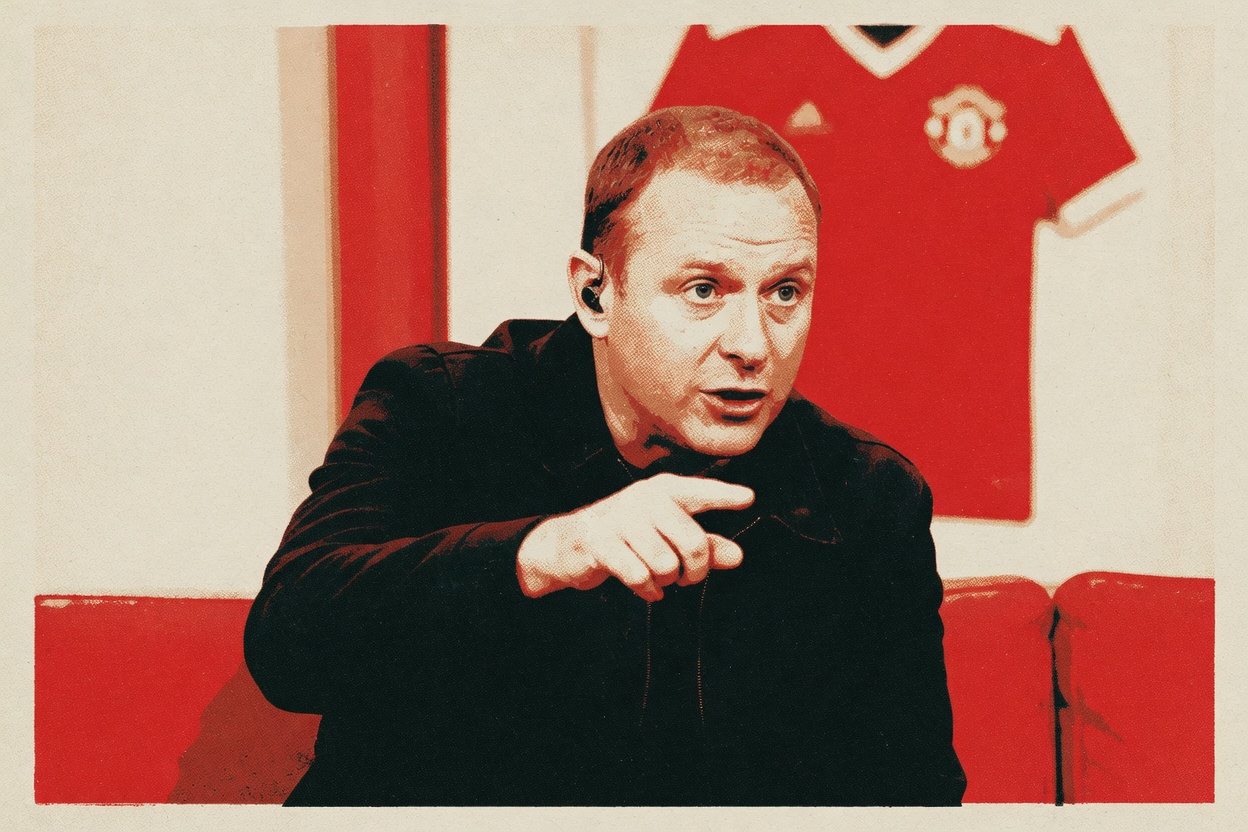
The bit itself was good telly. On Stick to Football, Gary Neville went off on the Glazers, the way he does and the way they deserve: "The Glazers have to sell Manchester United, the time has come!" He pointed out that a family who turn up to every NFL game in Florida "have never been to Old Trafford in 20 years." Then Keane cut across it with the question that actually matters. "There's a horse involved in this, you know what I mean? No-one wants to talk about the horse. Can we talk about the horse? The horse is key." Neville waved him off: "We know that, Roy. The Glazers have to sell now." He treated it like a punchline, but it's the key to the whole story.
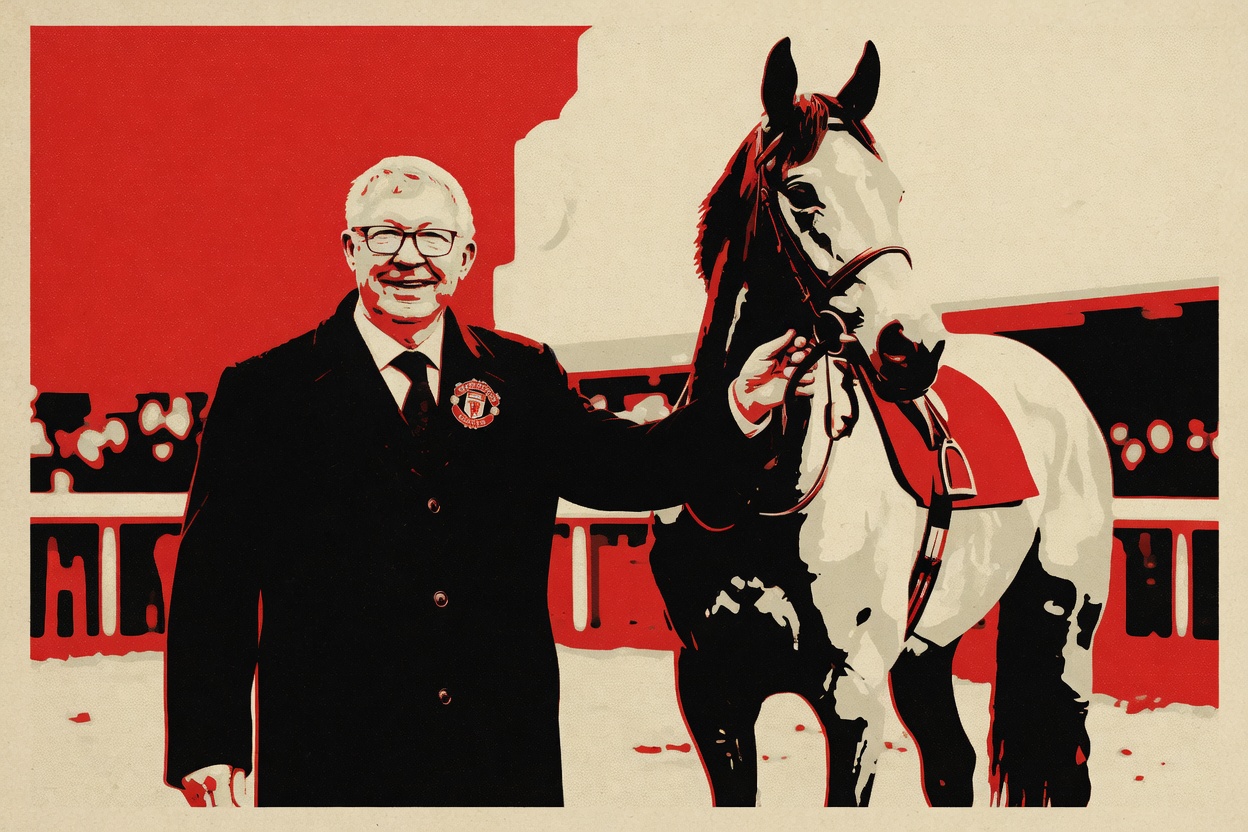
The horse dispute went like this. Rock of Gibraltar won the 2000 Guineas in 2002 and was trained by Aidan O'Brien for John Magnier's Coolmore operation. Ferguson believed he owned half of it and was owed half of the stud fees, which for a champion sire run into serious money. Coolmore's position, stated at the time, was that Ferguson had been given his stake as a gift and could take a share of the horse's race winnings or a nomination fee each year. The stud fees weren't part of it. Ferguson sued over the difference.
Now line up who he was suing. Magnier and his partner J.P. McManus had been buying Manchester United shares since 2000 through their vehicle Cubic Expression, and by 2003 they held close to a quarter of the club. The second-largest shareholders in the club Ferguson managed. He took them to law over a racehorse while they bankrolled the thing he built his whole life around. The dispute became public in late 2003, and by 2004 Magnier and McManus had fired 99 questions at the board about the club's finances and transfer dealings and were talking about taking action. Ferguson settled for a one-off payment of £2.5 million. He got the money, but he also turned two owners who had every reason to stay into two who wanted out.
And they got out. In May 2005 Malcolm Glazer bought Cubic Expression's 28.7% stake, which shoved him past the threshold that forced a full bid. Inside a month the Glazers owned nearly all of United. They delisted it and loaded it with the debt it still carries. Total cost, around £800 million, most of it borrowed against the club.
Magnier and McManus were investors, in it for the share price. Share price goes up, you sell. Glazer was buying on the open market from 2003 regardless of any horse, so maybe this ending was always coming. The deepest cause is the 1991 flotation that turned a football club into tradeable paper that any buyer with enough borrowed money could hoover up. Without that, no hostile takeover is even possible.
But "they'd have sold eventually" doesn't explain why they sold to that buyer, at that moment, as a single 28.7% block instead of defending their investment the way big shareholders had resisted the Sky bid years earlier. The reason the biggest slice of United came loose exactly when Glazer was circling with financing in hand is that Ferguson had spent two years in open warfare with the men who held it. He soured the relationship so thoroughly that cashing out and walking away looked better to them than sticking around. That's the horse. It's what Keane means when he calls it key, and he's been saying it since his autobiography, where he called Ferguson "a mascot for them" who paraded around a horse "he didn't even own."
Put the blame where it belongs. Ferguson was gifted a share in a racehorse, discovered it was worth a fortune, and sued his own club's shareholders to get more. For a man who read every power play at Old Trafford for two decades, it was a staggering misjudgment. The Glazers are the villains of what came after, the absentee landlords Neville is right to want gone. But the door they walked through, Ferguson opened.