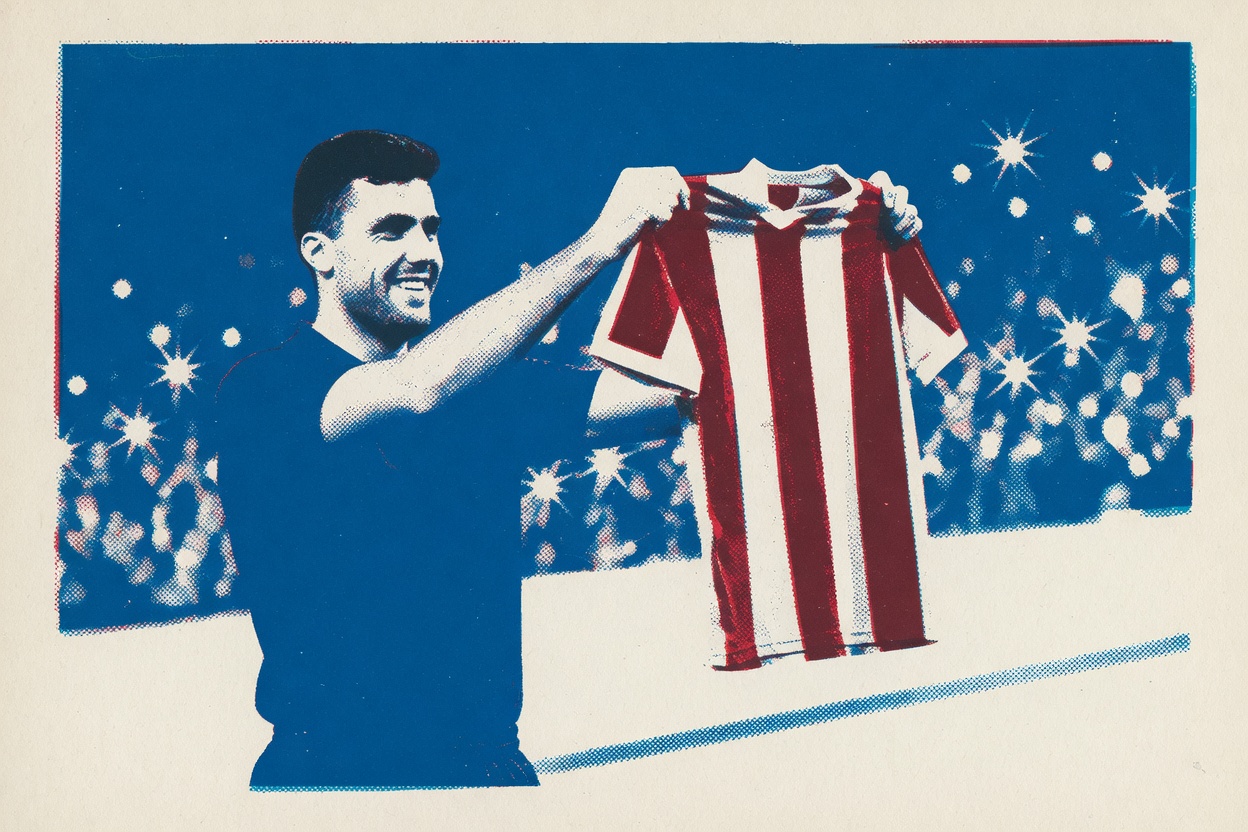
Players don't usually turn down Real Madrid. That's the pull of the club: the sense that when the white shirt calls, you answer. Rodri answered, then said no.
Barcelona completed his signing from Manchester City on Tuesday, August 18, 2026, a reported £65.4 million move that ties him to the club through June 2030. The headline is the fee, but the real story is who he turned down to get there.
Rodri's agent, Pablo Barquero, said Real Madrid "made an irresistible offer" after the World Cup. He turned it down anyway. Reports out of Spain put the two financial packages at roughly the same level, so this wasn't a bidding war he settled by counting zeros. Whatever tipped it, it wasn't the money.
That's the part worth sitting with. This is a read, not a fact: when a Spain captain and reigning World Cup Player of the Tournament can weigh two nearly identical offers and choose the club that isn't Madrid, on sporting grounds, something in the balance of power has shifted, at least for now.
The courtship tells the tale
Look at how each club chased him. Barcelona went all in: Deco, Joan Laporta and Hansi Flick reportedly called him personally, and squad members made it clear they wanted him. That's a club treating a signing like a mission.
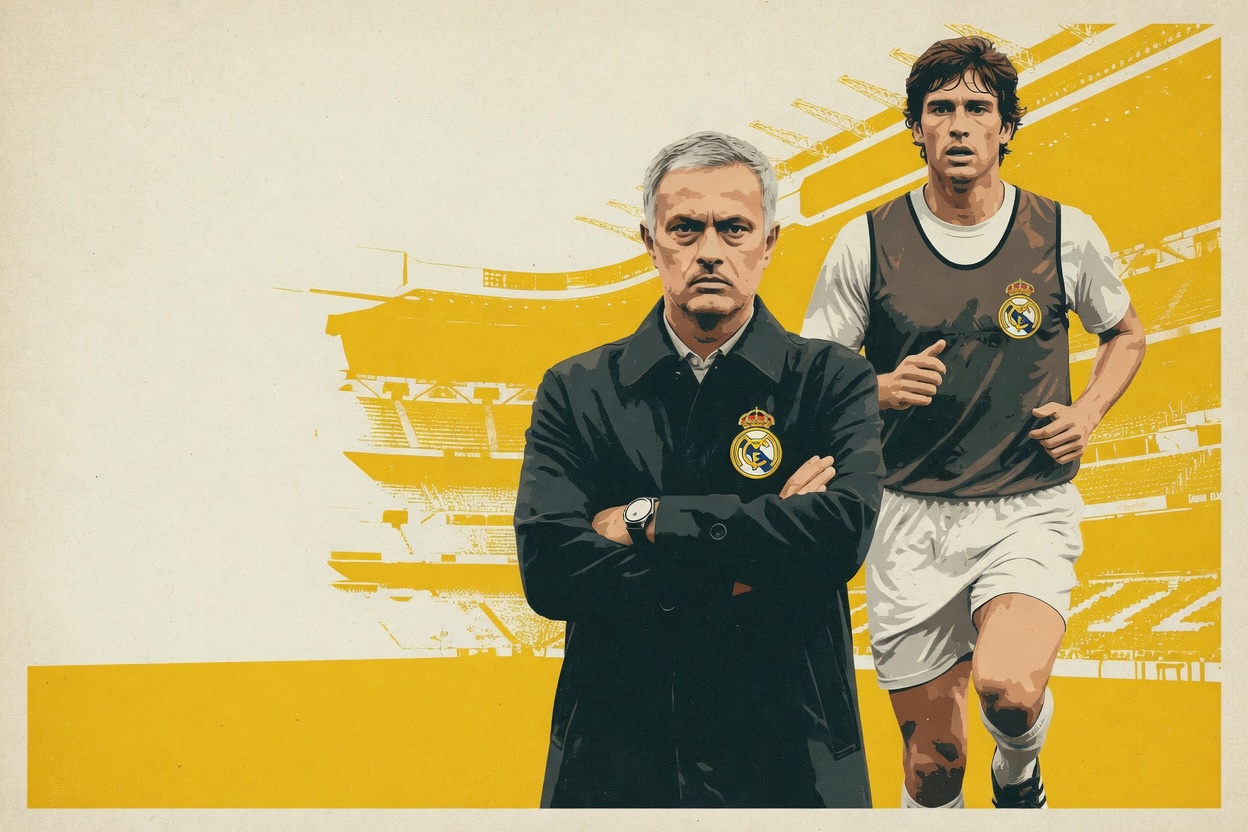
Madrid's approach read like a formality. Florentino Perez and Jose Angel Sanchez made contact, but new manager Jose Mourinho reportedly never called Rodri himself. There were even unconfirmed whispers inside the club that Rodri "slows the ball down too much." Take that with a grain of salt, but the pattern holds: a lukewarm pursuit against a full-court press, and Rodri felt the difference.
When a player of this stature senses one suitor believes in him more than the other, that matters more than an extra clause in a contract. Rodri said it plainly at his presentation: "It was a hard decision." He also called joining Barcelona "a dream come true." You don't have to read that as a shot at Madrid to notice he framed the whole thing as a choice he wanted to make, not a rejection he was talked into.
Why the context makes this bigger
Strip away the individual drama and the backdrop does the heavy lifting. Barcelona are the two-time defending LaLiga champions, having won the title in both 2024-25 and 2025-26, and Flick was named LaLiga Coach of the Year for that second title. Stability, trophies, a manager the players clearly trust.
Madrid, by contrast, went through it. Xabi Alonso left the job after half a season, Alvaro Arbeloa steadied things without much tactical lift, and the club finished the season empty-handed. Now they've handed the rebuild to Mourinho and spent, bringing in Marc Cucurella, Bernardo Silva, Denzel Dumfries, Ibrahima Konate and Yan Diomande while extending Vinicius Jr through 2032. That's real investment. But a player choosing between projects looked at recent history and leaned toward the one that's actually been winning.
The counter-arguments, honestly
I won't pretend this is airtight. One account has Madrid pulling back partly over the cost of the deal. If that's the fuller picture, the clean "it wasn't about money" line from Rodri's camp gets a little messier. Both things can be true at once: Madrid may have balked at the price, and Rodri may still have preferred Barcelona on merit.
Mourinho, for his part, isn't crying about it. On El Chiringuito he insisted the squad is complete: "We are not lacking players... I really like the squad." He waved off any suggestion he's got regrets over Rodri. Maybe he means it, or maybe it's exactly what you'd say after missing out on a World Cup Player of the Tournament your rivals just landed. I lean toward the second, but that's a hunch, not evidence.
Either way, the symbolism survives the caveats. A player Madrid wanted, at money they could match, chose the club across the divide because the project felt more certain. He hasn't kicked a competitive ball for Barcelona yet, and the 2026-27 season is only a couple of weeks old, so nobody should be crowning anyone off a table this fresh. But the transfer already said something before he's played a minute.
Rodri left City after seven seasons, four Premier League titles and the goal that beat Inter Milan in the 2023 Champions League final. He didn't leave that to chase a paycheck; he left to keep winning, deciding the better bet wore Barcelona colors. In Spanish football, that decision doesn't come along often. Enjoy it while it's still surprising.