

The scoreline says 1-0. Don't let that fool you.
The biggest takeaway from Sunday night at MetLife Stadium is this, and it's my opinion because that's what a column is: Spain won a rout in everything but the number on the board, not the nervy coin-flip final it was billed as. This was the most complete defensive strangling the tournament produced, delivered on the one night it mattered most, and it settles an argument that's been simmering for years. Control football beat star power. Comprehensively.
Look at the shape of the game. Spain piled up twenty shots to Argentina's two, and here's the number that should haunt Buenos Aires: twelve shots on target for Spain, zero for Argentina. Argentina didn't register a shot until the second half of extra time. They had none in the first half at all, and no touches inside the Spanish box the entire game. The expected-goals gap was brutal, 1.94 to 0.20 in Spain's favor. You didn't need to watch a minute of it to know how this went.
That context matters because of who Argentina were. They arrived at this final having scored two or more goals in a tournament-record thirteen consecutive matches, an attacking machine that simply didn't stop scoring. Spain arrived having conceded just one goal across their first seven matches. It was the immovable object against the unstoppable force, and the immovable object won so thoroughly it made Argentina look like it had never scored a goal in its life.
The winner, and the moment it turned
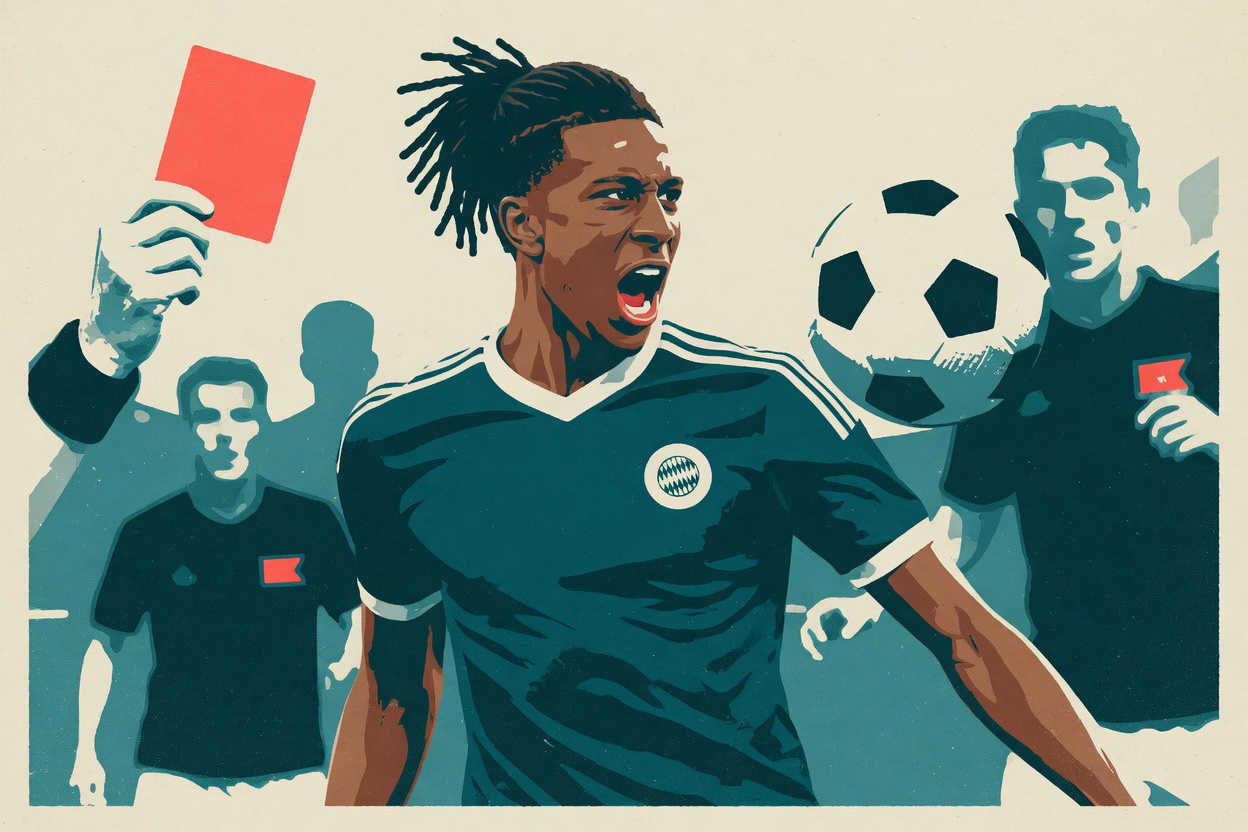
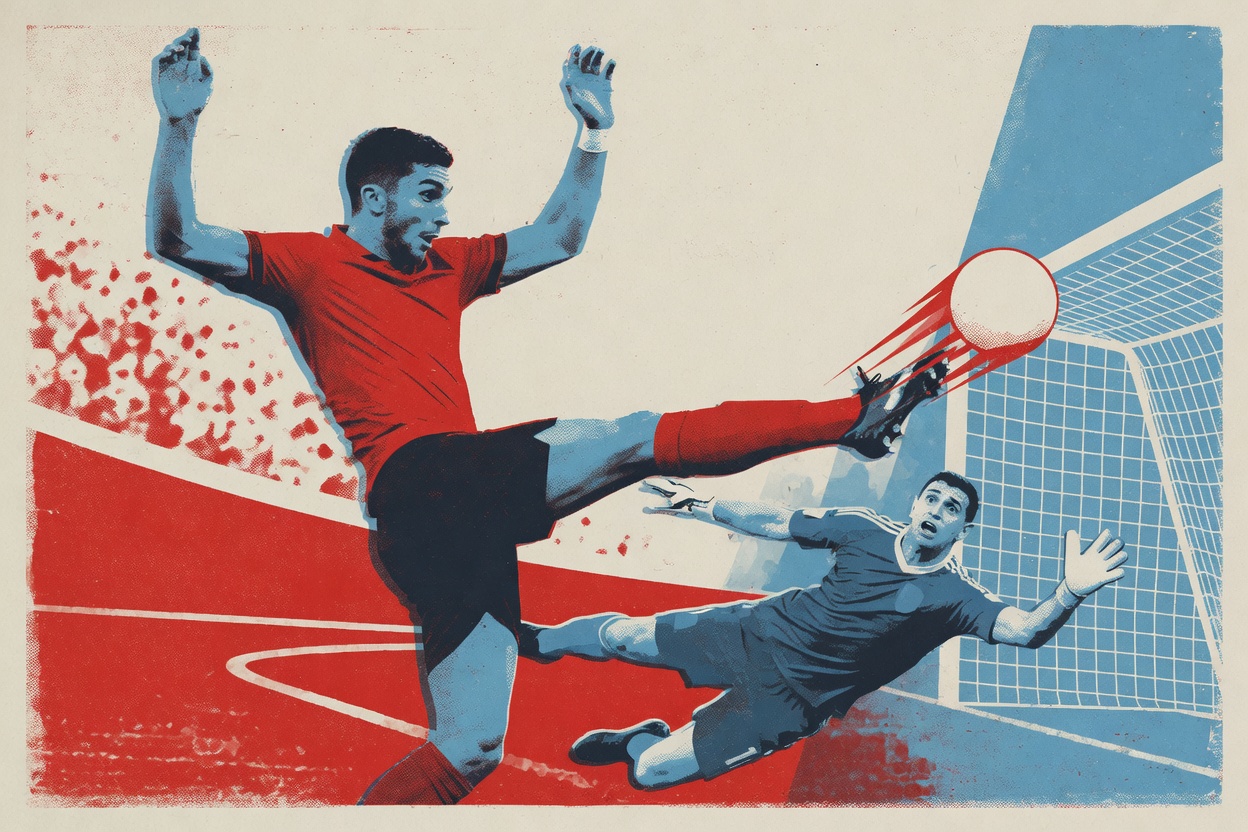
The decisive sequence was almost cruel in its timing. Enzo Fernández was sent off deep in stoppage time of regulation for a second bookable offense on Pau Cubarsí, a tackle that flipped the young defender into the air. Some called it reckless and deserved, others saw a more neutral foul. Judge it how you like, it's a fair talking point. But down to ten men, Argentina were living on borrowed time. Thirty-nine seconds into the second half of extra time, Nico Williams slid in a superb assist and Ferran Torres thumped home an eight-yard finish. Both had come off the bench, which tells you something about the depth of this squad: it can change gears without changing its identity.
One detail worth noting: the Argentine who came out of this with his reputation not just intact but polished was the goalkeeper. Emiliano Martínez finished with eleven saves, the most ever recorded in a men's World Cup final. Argentina's keeper set a record in the final and his team still didn't force the Spanish keeper into a single stop. When your goalkeeper is your leading man in a World Cup final, the story tells itself.
This validates Spain, full stop
Before kickoff, the case for Spain was that the favorites had the profile to end Argentina's defense of the title. That call aged well. Under Luis de la Fuente, now the oldest manager to win a World Cup, with a 14-0-1 record, Spain simply doesn't lose competitive football. Sunday extended their unbeaten run to thirty-eight matches, a stretch that includes their Euro 2024 title. They now hold the European Championship and the World Cup at once. Spain's women are ranked No. 1 and are the defending world champions too, which means Spain is the first country ever to hold both the men's and women's world titles at the same time.
Spain are, right now, the dominant nation in the sport, not a hot team riding a run. They became the first World Cup champion ever to win it while conceding only a single goal across the whole tournament, bettering the mark they set winning it all in 2010. Bookmakers, just a day later, have already made them favorites to repeat in 2030. That's a futures snapshot, not a prophecy, but it tells you how the sport's read on Spain has hardened.
Messi loses the final, keeps the tournament
And yet the pre-final read that this whole event ran through one man, Lionel Messi, wasn't wrong either. Both things are true. Messi was one of the two best players of these finals. His eight goals and four assists finished second only to Kylian Mbappé, who scored twice in the third-place game to finish with ten. At 39, dragging Argentina to the brink of a fourth straight major tournament final after the 2021 and 2024 Copa Américas and the 2022 World Cup, he was magnificent. The tournament's story did run through him. It just didn't get the ending the romantics wanted.
A team beat a man. That's the honest framing of the Yamal-versus-Messi torch-passing subplot everyone wanted. Lamine Yamal, undercooked after a late-season hamstring issue and not quite at his best, was outshone individually by the older genius across the month. It didn't matter. Spain never needed one player to bend the night to his will, and Argentina needed exactly that and couldn't get it. Messi left the field in tears after collecting a runners-up medal. Whether it was his final act in the Argentina shirt is the one thread still open: it's widely expected to be his last World Cup, but he hasn't announced a retirement, and Lionel Scaloni, asked before the game, only smiled and shrugged. Treat that as expectation, not fact.
What history says now
History offered Argentina a chance to do what no one has done since Brazil in 1958 and 1962: win back-to-back World Cups. They didn't come close, and there's an unflattering footnote to go with it. Of the six players ever sent off in a World Cup final, three now wear Argentine colors. The 2022 blueprint of grind, endure, take it to a shootout was never coming back against a Spain playing at this level. You can't grind out a game in which you don't touch the ball in the opponent's box.
Spain are worthy champions, not lucky, not narrow. The best team, playing the best football, proved that a system built on control beats a team built around genius when the genius is asked to do it alone. After Sunday, that's just the truth.