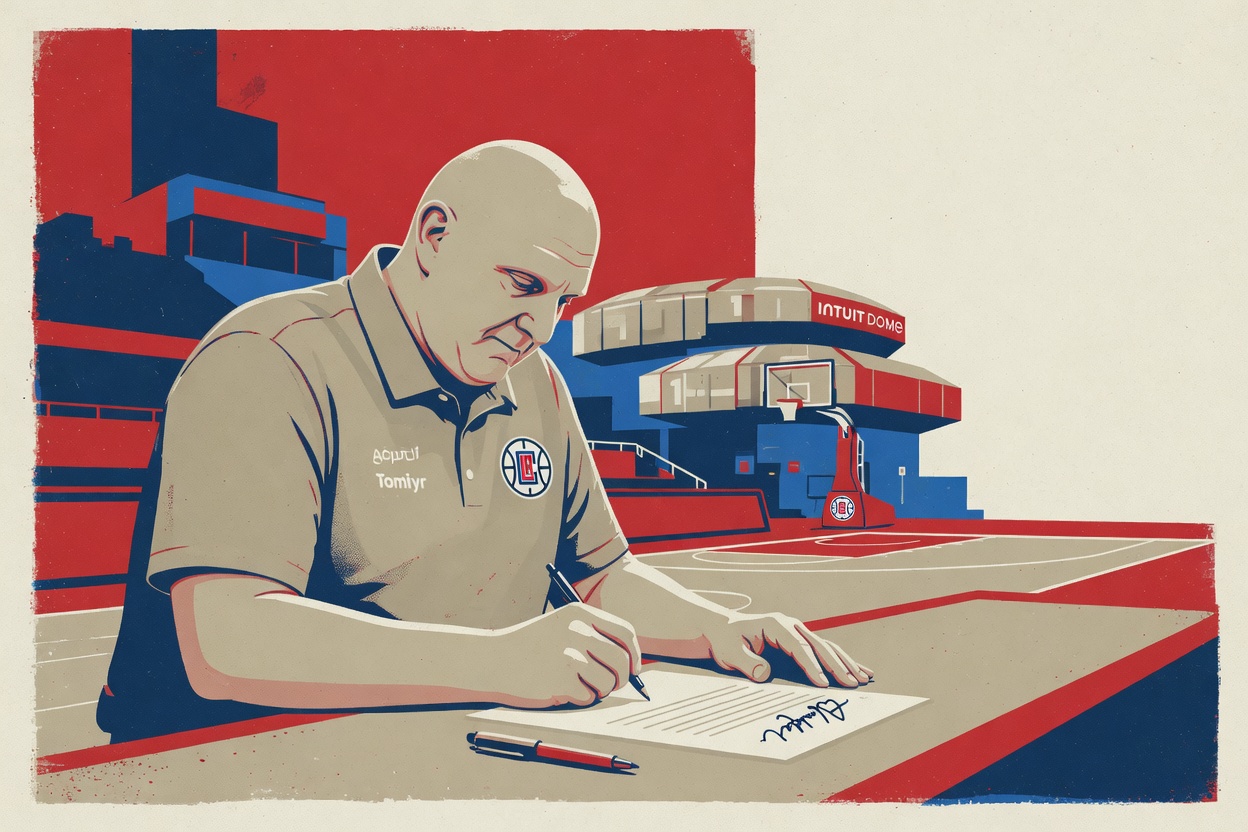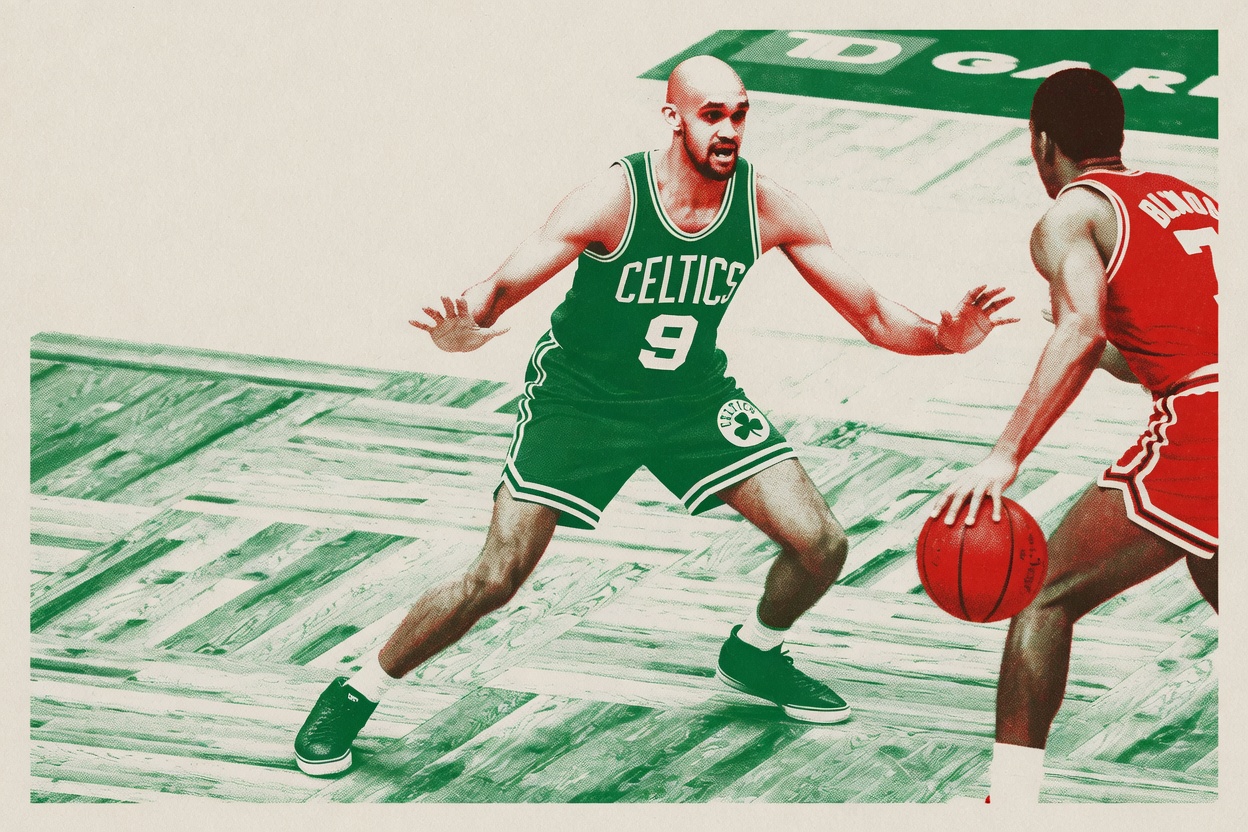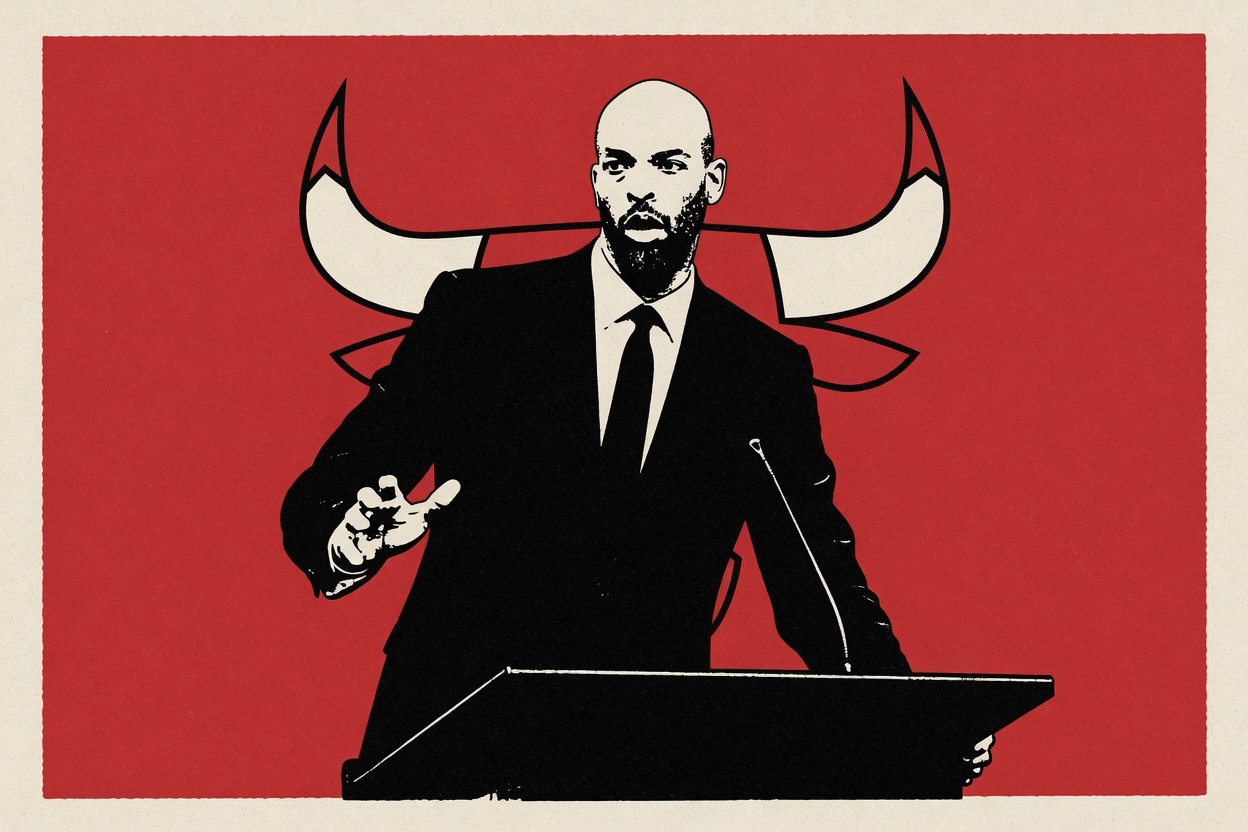
Five days. That's roughly the gap between Taj Gibson getting waived by New Orleans and getting announced as an assistant coach for the Chicago Bulls. No farewell circuit, no lingering at the end of a bench to soak up applause. He went from cap filler to coaching staff in about the time it takes most players to clean out a locker.
That speed shows how teams have come to value what a 41-year-old with fading numbers actually brings. It isn't the numbers.
Start with how he got here. On Tuesday, September 8, Memphis shipped him and AJ Johnson to New Orleans, with Jordan Hawkins, Micah Peavy, a future second-round draft pick and a future second-round pick swap heading the other way. The Pelicans waived Gibson the very next day. He was a mechanism, a name that made the math work. His last on-court stretch was quiet: 3.4 points and 2.7 rebounds in 10 appearances for Memphis in 2025-26. On a spreadsheet, that's a player the league had finished with.
The phone rang almost immediately anyway, and it rang from the one place that knew him best.
Gibson's career started in Chicago as the 26th overall pick in 2009, and he spent his long first stint there before bouncing through Oklahoma City, Minnesota, New York, Washington, Detroit, Charlotte and Memphis. He still ranks fifth in Bulls history with 695 blocks. Over 1,012 regular-season games and 462 starts, he averaged 8.3 points and 5.7 rebounds for his career while shooting 51.7 percent from the field. He finished fifth in Rookie of the Year voting his first season and landed in the top 10 for Sixth Man of the Year three times, once as the runner-up. Solid and useful, never a franchise cornerstone.
But institutional memory is its own asset, and that's where the modern front office has changed. This is a rebuilding team run by new basketball-ops hires under head coach Tiago Splitter, trying to develop a young frontcourt with Nicolas Claxton, No. 4 pick Caleb Wilson and Matas Buzelis. What that group needs isn't a 12th man eating developmental minutes. It's someone who can teach positioning, screen angles, how to survive a road back-to-back in February. Gibson can do that in a suit as easily as he could in a jersey, and he does it without taking up a roster spot or a cap line.
One outlet framed it exactly that way: the Bulls still had an open roster spot and could have kept Gibson around as a playing mentor, but hiring him as a coach lets them bank his leadership without the roster or salary cost. Take that as one analyst's read rather than something the front office actually said, but it lines up with what we can see. The idea wasn't rushed, either. Gibson was around the Bulls at Summer League in Las Vegas back in July, when the coaching idea first came up.
He joins a full staff under Splitter, who won a title with San Antonio in 2014 as a player, alongside Wes Unseld Jr., Blake Ahearn, Jamelle McMillan, Rex Kalamian, Jonah Herscu and Jordan Brink.
Gibson's own goodbye leaned into the emotion. "Today is a very emotional day for me," he wrote. "After 17 seasons in the NBA, I can honestly say I gave this game everything I had." He added that it was "the beginning of a new chapter."
Here's my read: the waived-veteran-to-assistant pipeline is going to keep widening, because it's a rare move that costs a team almost nothing and returns something real: culture, continuity, a bridge between the front office's plan and a locker room full of players who haven't won anything yet. Chicago didn't sign Gibson to help them win games this year. They hired him to help build the players who will. The 2026-27 season hasn't tipped off, so whether this staff works is still an open question. But the logic behind keeping Gibson in the building holds up.