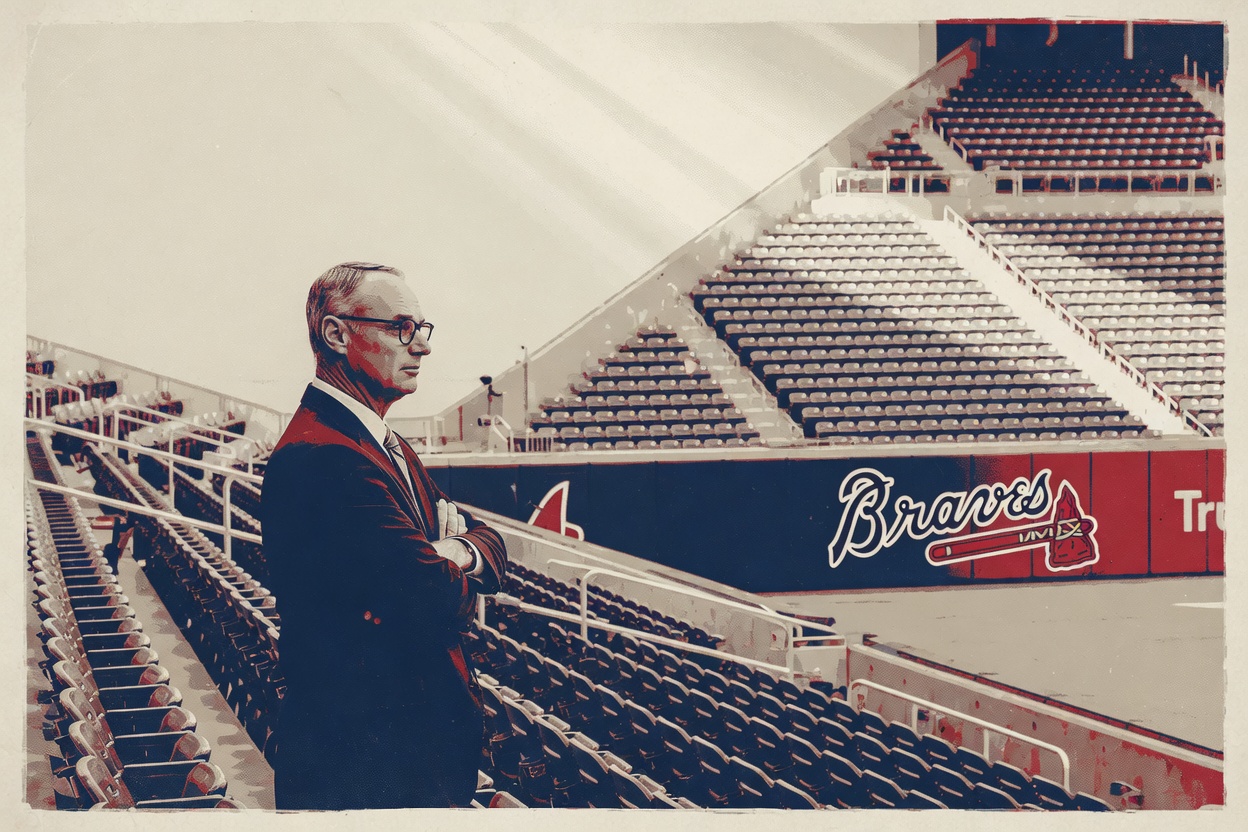
The seats at Truist Park were empty Tuesday afternoon because Major League Baseball and NBC decided they should be. Somebody sold the first Wild Card window of the day to a 2 p.m. slot on national television, and somebody signed off on a format that makes it nearly impossible to warn fans in advance. Those are choices. Rob Manfred runs the league that made them.
Start with the number that kills the "Atlanta doesn't care" story before it gets going. The announced attendance was 30,127, with gaps of empty seats visible throughout the park and especially in left field. During the regular season the Braves ranked 10th in the majors in attendance, drawing 2,800,446 fans at an average of 34,573, with 25 sellouts. The Braves don't have a demand problem. Their fans were at work and in school when first pitch went off at 2:15 on a Tuesday afternoon.
The cameras caught all of it. NBC, the network that bought the daytime window, spent part of the broadcast showing its own audience the sparsely filled upper decks under clear early-fall skies. You buy a 2 p.m. weekday slot knowing exactly what it does to live attendance. Then you point your cameras at the consequence and act surprised.
The timing insult is worse than the slot itself. MLB announced the schedule on Sunday, roughly 48 hours before Game 1. No working adult arranges a day off or books a flight on two days' notice, and no parent yanks a kid out of class that fast. The race for the final National League Wild Card spot did go down to the last day of the regular season, which is the usual excuse. It doesn't hold up. The matchups didn't have to be locked in weeks ahead, the start time did. A league that wanted fans in the building would default its home playoff games to windows people can actually reach, then slot the matchups in once they're set. MLB does the opposite. It sells the windows first and leaves everyone else to figure it out.
This wasn't only an Atlanta problem. That same day in Houston, Daikin Park was also far from full for a 4 p.m. local first pitch. Two cities, same afternoon, same cause: the schedule.
Expanded playoffs have meant afternoon postseason games for three decades, going back to the 1994 expansion, and Manfred inherited the format when he took over from Bud Selig in 2014. Networks pay the freight, and daytime inventory is part of what they're buying. That's true. None of it explains why the biggest event on the sport's calendar keeps treating home-field advantage like a rounding error. A packed, loud Truist Park is worth something to the Braves and worth something to the broadcast. MLB traded that away for a lunchtime rating and told everyone to play hooky.
The Braves have nothing to answer for here. They sold the tickets they were handed and opened the gates. A 2 p.m. weekday start would hollow out Yankee Stadium or Dodger Stadium too. Blaming the fans for not skipping work is the laziest read available, and it lets the people who actually made the decision walk away clean.
Game 2 is set for 2 p.m. today, and a potential Game 3 is currently listed at the same time, though that one's provisional and could move. Whatever the atmosphere looks like this afternoon, remember who scheduled it. MLB and NBC looked at a division-rival playoff series and decided the couch audience mattered more than the fans who would have filled every seat if given a fair shot to show up.