There's a difference between a violent night and a dangerous one, and UFC 331 blurred that line about as badly as any card in recent memory.
The California State Athletic Commission released its medical suspensions Monday, two days after the event at Crypto.com Arena in Los Angeles, and the tally reads like a triage report: 24 fighters suspended, five of them facing potential six-month (180-day) sits. Alonzo Menifield drew the harshest term for a possible fracture to his left thumb. Casey O'Neill, who needs clearance for a possible left knee fracture, plus Robelis Despaigne, Edmen Shahbazyan and Joanderson Brito rounded out that group of five. Two fighters, Menifield and Alexandre Pantoja, were taken to a local hospital afterward for precautionary evaluations. The results of Pantoja's scans and Menifield's X-rays haven't gone public, so nobody should be guessing at diagnoses. The suspension numbers, though, are settled, and they're the point.
My read, plainly stated as opinion: a single card producing this much damage should push the UFC to think harder about how it builds a night of fights.
A six-month medical suspension doesn't automatically mean half a year on the shelf. A fighter can return sooner if the right physician examines the injury and clears him. But five athletes needing that kind of clearance off one card isn't a coincidence or just bad luck. It's what happens when you stack high-stakes, high-violence matchups from the prelims through the main event and call the pileup a spectacle.
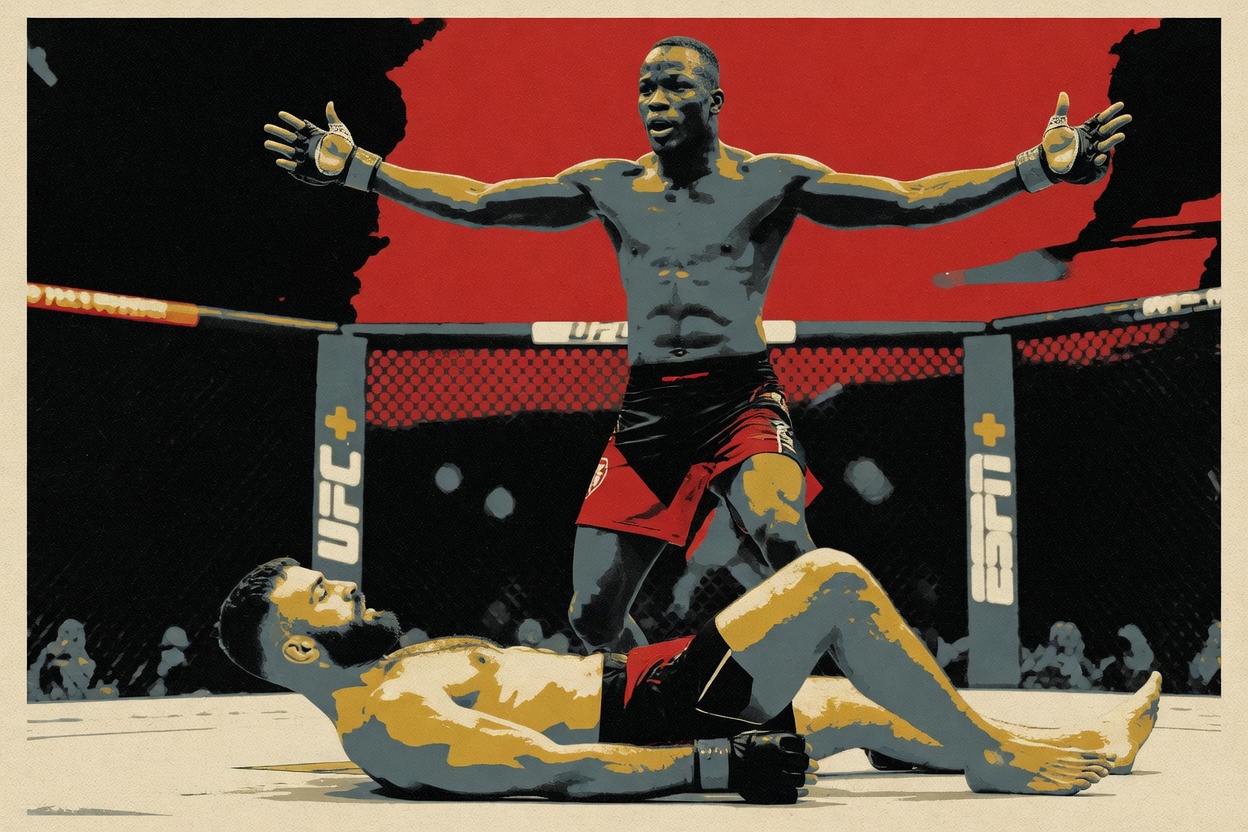
The fights themselves were brutal in a way that made for great television. Arman Tsarukyan put Mauricio Ruffy away with a first-round elbow in the co-main, a win that likely makes him the top lightweight contender. Ruffy left with a 60-day term pending clearance of a right eye laceration. Heavyweight Sean Sharaf knocked out top prospect Gable Steveson in 12 seconds, an upset that earned Steveson a 45-day suspension with 30 days no contact. Tai Tuivasa lost a split decision to Despaigne, his eighth straight Octagon defeat, tying the longest losing streak in promotional history. Joshua Van defended his flyweight title over Pantoja by unanimous decision in a five-round war and walked out with only the mandatory seven-day suspension. Pantoja, the man he beat, went to the hospital.
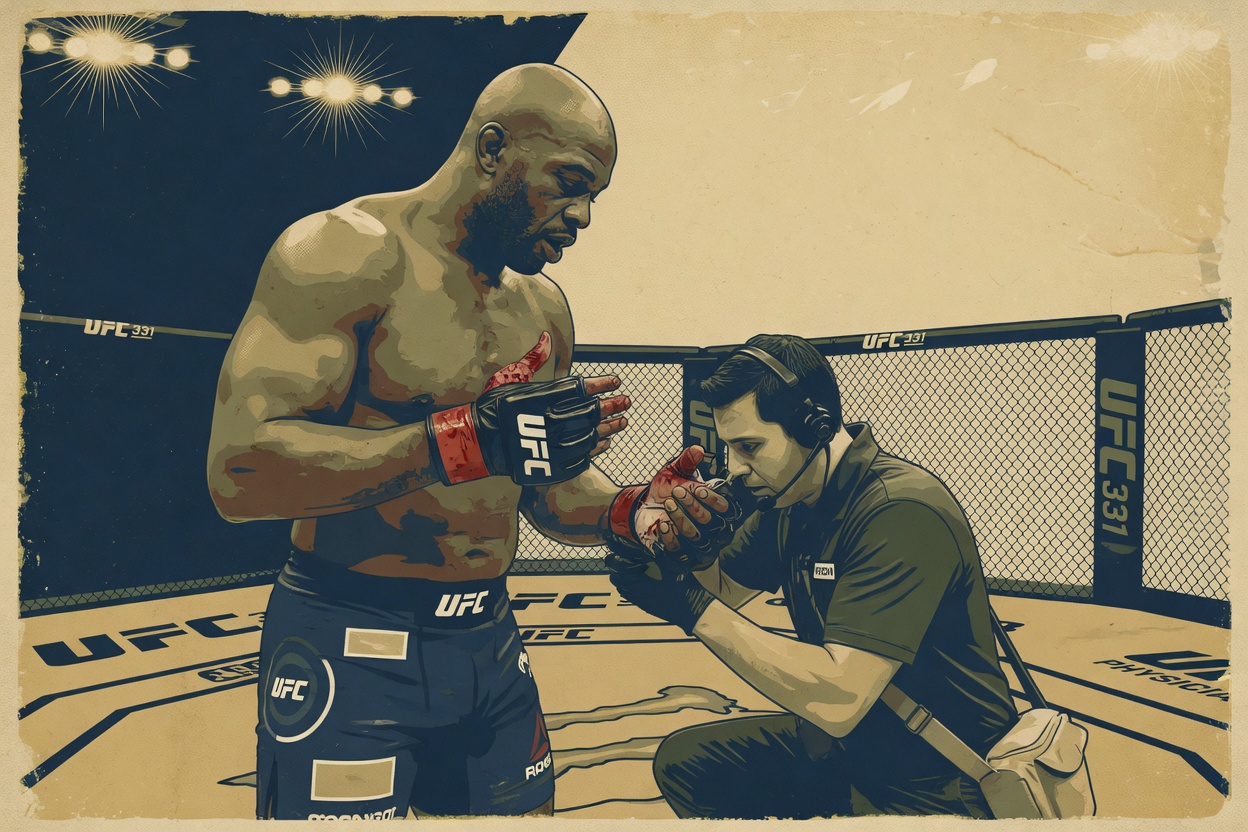
The Menifield sequence is the one that should nag at people. His thumb injury happened in the opening round, with the bone reportedly protruding through the skin, and a cageside physician examined the damage before the third round and cleared him to keep fighting. He won. He may also need six months to be whole again. You can admire the toughness and still find that picture disturbing. I do.
None of this is the commission calling UFC 331 excessive. CSAC issued suspensions, not a verdict on matchmaking, and the UFC hasn't signaled any internal review. That interpretive leap is mine. But the raw density is hard to wave off: a grueling title fight, a record-tying losing streak, a stunning knockout of a heavy favorite, a compound-fracture win, two hospital transports, all packed into one evening. Sell violence long enough and you normalize the bill that comes with it.
The fights were thrilling. That's exactly why the question deserves an answer: how many of these do you stack before the spectacle becomes a story about what it costs the people producing it?