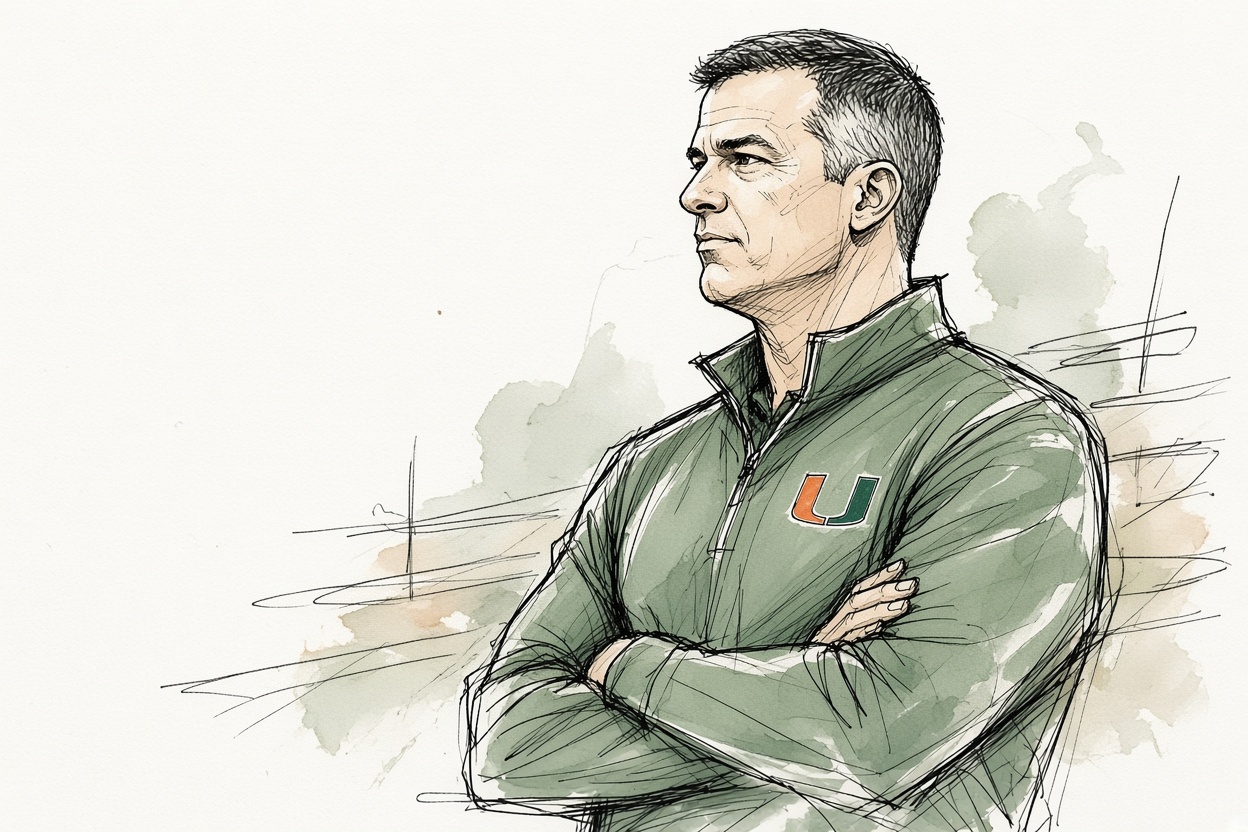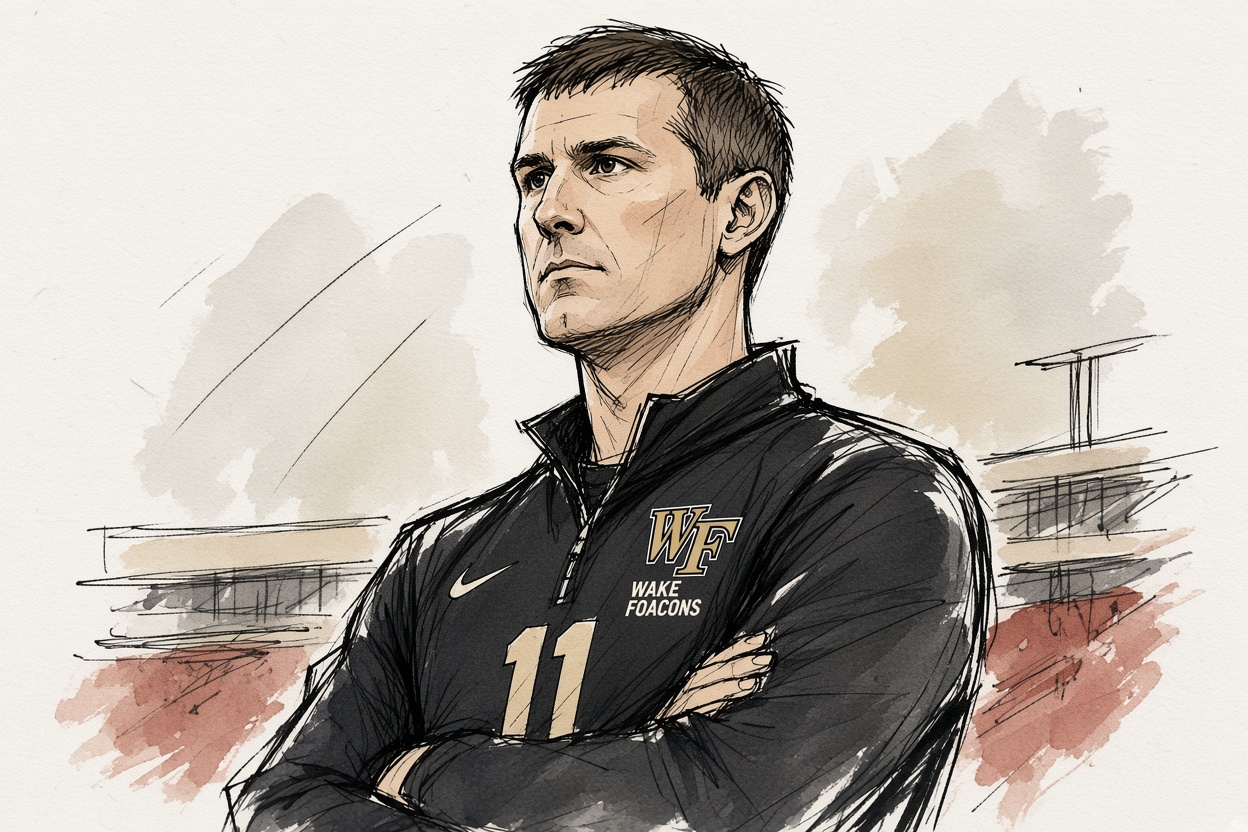
Wake Forest just needed the committee to actually watch it play.
Heading into Saturday's trip to Dallas, Wake Forest sat at #13 in the CFP rankings with one loss on the season, that loss coming on the road against #5 Miami by a respectable 33-20 margin. No head-scratching defeats, no bad losses to fix. Then the Deacons went into SMU, an ACC contender in its own right, and led 42-0 at halftime before the final whistle made it 49-7. The committee has been grading Wake Forest on a curve nobody else in the top fifteen gets, and Saturday made that obvious.
The skepticism has a name: strength of schedule snobbery. Wake Forest's resume before Saturday was built on wins over ACC teams that didn't carry ranked status. The committee has made clear in recent years that a big win total alone doesn't satisfy it. It wants wins over ranked opponents backing up the record, which is fair, but that standard has to apply evenly, and it hasn't. A team with one competitive loss to a top-five opponent and nothing else to apologize for shouldn't have needed to drop 42 points on a quality opponent before halftime just to get taken seriously. The committee put Wake Forest in a spot where blowing out a contender on the road was the baseline for respect.


One dominant performance against a single opponent doesn't erase nine weeks of work, and jumping a team from #13 into the top ten off one Saturday is exactly the overcorrection polls are supposed to avoid. That's true in the abstract. It falls apart here because the body of work was never actually a problem. Wake Forest's resume never had bad losses to explain away. The committee wanted proof against a team that could push back, and now it has that, delivered about as emphatically as any committee could ask for.
Jake Dickert made the point himself after the game, telling SMU and everyone watching, "We're not finished with them yet. We came for 60 minutes and they've got nowhere to hide." That's a coach who knows his team has been underestimated and isn't interested in being gracious about it anymore. Even the ESPN crew that had been dismissive of Wake Forest all season turned around on air and said, "We apologize to Wake. Wake is real." When the same network that's been picking against you starts issuing public apologies mid-broadcast, the ranking stopped reflecting reality days before the committee was even scheduled to update it.
College football already lived through a version of this story last season, when BYU finished with a strong record and a respectable strength-of-record case and still got left out of the playoff while teams with flimsier resumes got in. It's a different conference with different stakes, but the same instinct is at work: a committee defaulting to reputation over what happened on the field. Wake Forest risks the same treatment if Tuesday's update nudges them up a spot or two instead of correcting the record.
A jump into the top ten means the committee admitting it had the hierarchy wrong for a month. If Tuesday's rankings move Wake Forest up one spot and call it a day, that's the committee protecting its own earlier mistake.