The 2027 Hall of Fame ballot landed with 27 names on it, and you can stop reading at two.
Chase Utley and Buster Posey. That's the argument. Everyone else is here to make the page look fuller than it is.
This ballot is thin, and the numbers back that up. Of the 13 returnees, Utley is the only one who cracked 50 percent in the last voting cycle. He's gone from 28.8 to 39.8 to 59.1 percent in his first three years of eligibility. He deserves to be in. A six-time All-Star at a demanding position whose case keeps gaining steam every January shouldn't need a fourth or fifth year of writers slowly talking themselves into him. Put him in and move on.
Then look at who's chasing him. The next-closest holdovers a year ago were Andy Pettitte at 48.5 percent, Félix Hernández at 46.1, and Alex Rodriguez at 40.0. They're scattered well off the doorstep, a long drop off a short cliff. A-Rod has been on the ballot six years and the voters have shown exactly zero appetite for forgiving the PED history. Pettitte and Félix are nice careers that the electorate has quietly decided aren't quite it. None of them is close to 75 percent, and nothing about this cycle suggests any of them gets there.
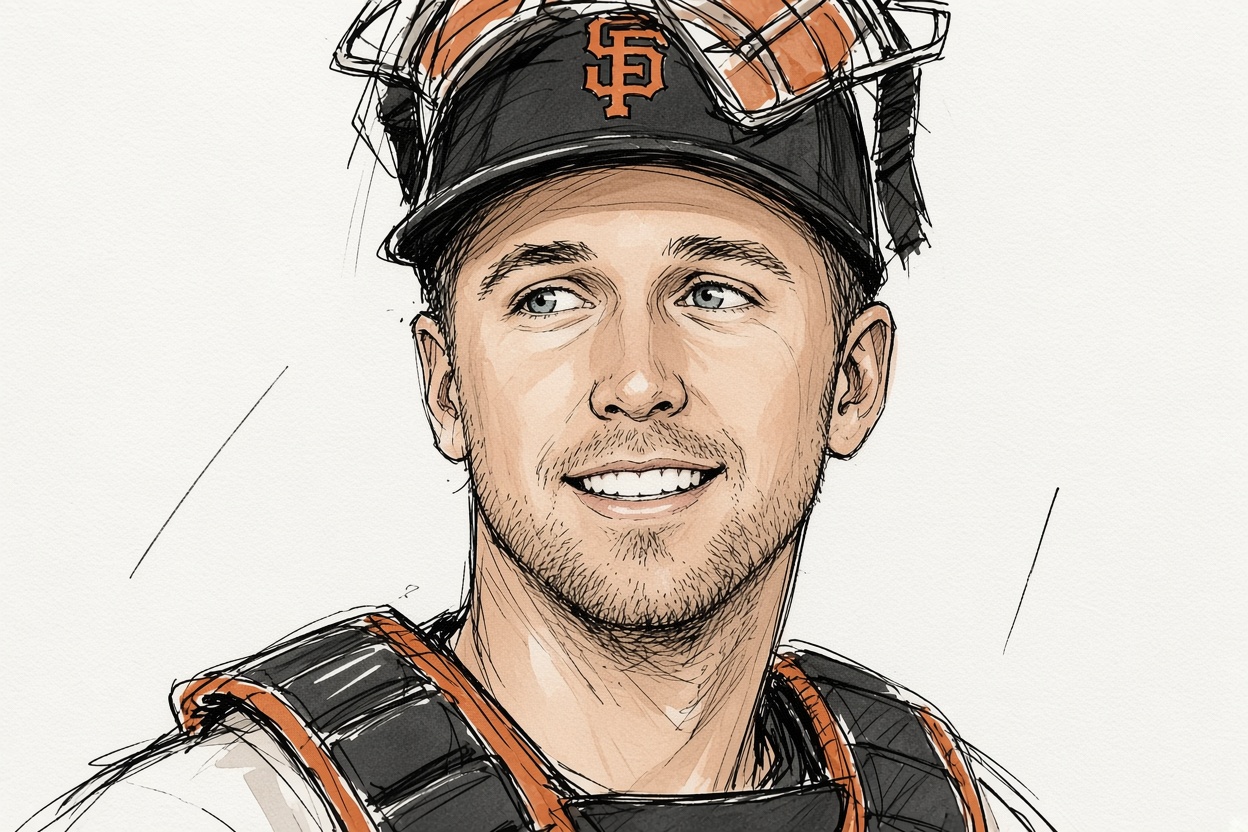
So the weight falls on the newcomers, and there's one. Posey is the only first-year player with a realistic shot at going in on the first try. His case is tougher than the reputation suggests. His seven-year peak sits at 36.5 bWAR and his career at 45, against an average among the 17 catchers already enshrined of 34.9 peak and 53.7 career. He's the median Hall of Fame catcher. Three championships and an MVP carry the case more than the raw numbers do. That's enough for me. Catcher is brutal, the rings are real, and an average Hall of Famer is still a Hall of Famer, though not an inner-circle lock.
Behind those two, the drop-off is a canyon. Jon Lester will get sentimental support because the postseason work earns it, three World Series titles and a 2.51 career October ERA across 16 seasons and more than 2,700 innings. His regular-season case doesn't get there and he knows it. After Lester you're into the land of fine players who are about to learn whether they can clear five percent: Wade Davis, Ervin Santana, Joakim Soria, Kyle Seager, Ryan Zimmerman, Jay Bruce, Brett Gardner. Good careers, short of Hall careers. Most of them will be one-and-done.
You could counter that the ballot isn't thin at all, that you can list Bobby Abreu, Pettitte, Dustin Pedroia, David Wright, A-Rod and Francisco Rodríguez and fill all ten slots without much trouble. Sure you can. You can fill ten slots every single year. Filling a ballot and electing a Hall of Famer are completely different acts. Writing ten names on a card tells you the voter liked ten players more than nothing; it says nothing about whether any of them belongs in Cooperstown. The test is 75 percent, and by that test this field has Utley trending, Posey plausible, and a 25-player tail of compilers and specialists.
There's a small cruelty buried in this ballot. It's Omar Vizquel's tenth and final year, his last chance before the writers' process is done with him, while a better player at his own position, Kenny Lofton, got bounced off after a single year years ago. That's the Hall's logic in miniature: the glove everyone remembers hangs around for a decade, the all-around player gets one look and vanishes.
Voting runs through the end of the year and the results come out January 19 on MLB Network. Last year's class produced Carlos Beltrán and Andruw Jones and not one first-ballot pick. This year the honest best case is two inductees, and one of them is a guy the writers should have figured out two cycles ago. Elect Utley, elect Posey, and admit the rest of the names are just there to keep the card from looking empty.