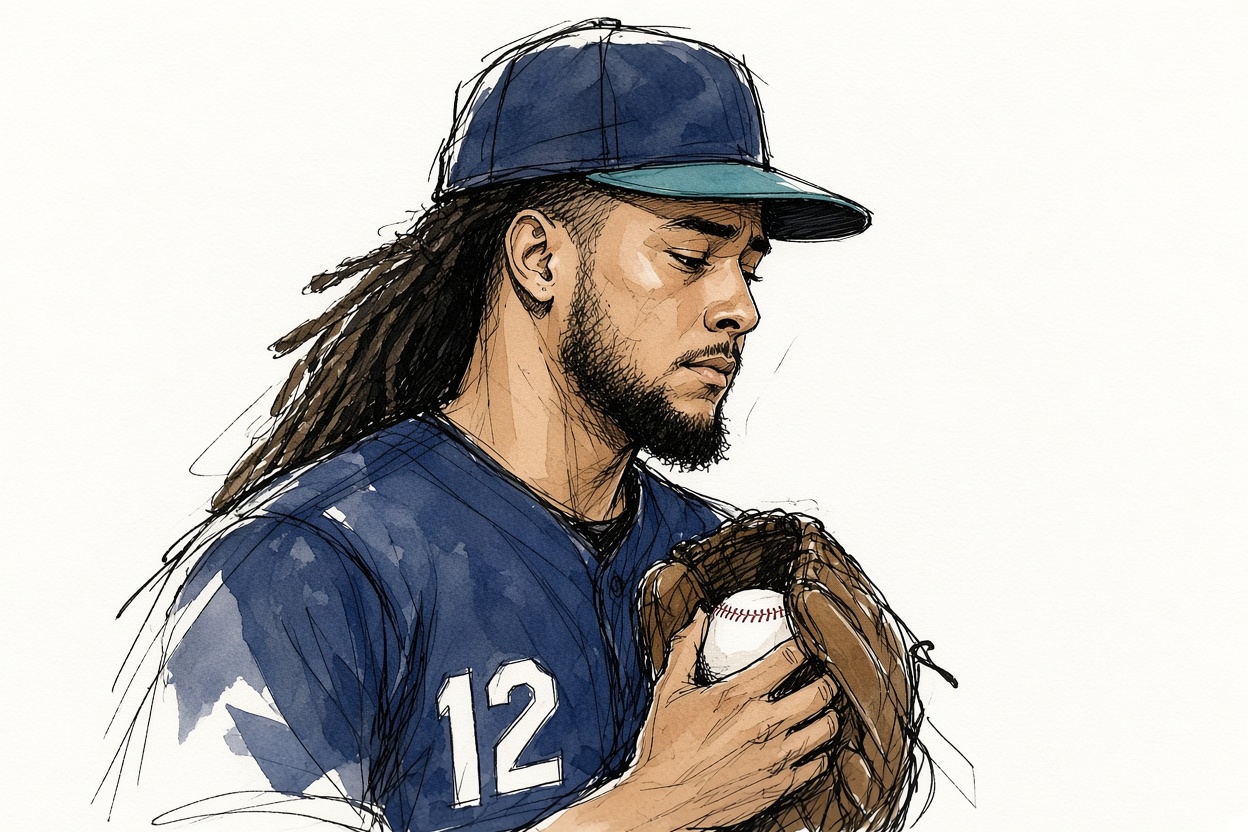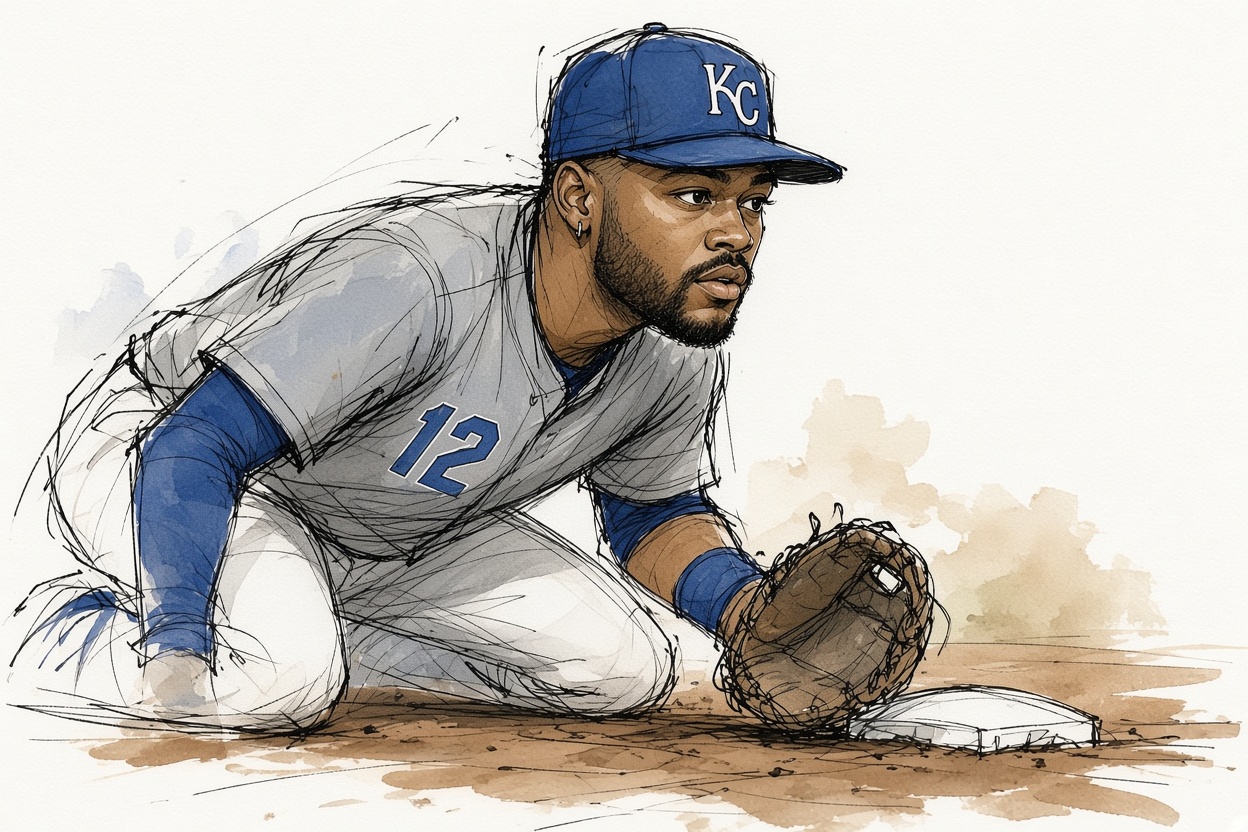
The Marlins lowballed Andrew Heaney on purpose, and they should still be embarrassed about it. Baseball's slot system put the ninth overall pick in the 2012 draft at $2.8 million. Miami refused to go above $2.6 million. The only card Heaney had left to play was a summer in independent ball.
Heaney has been revisiting that negotiation publicly, and the details hold up exactly the way they looked at the time. The Oklahoma State lefthander wanted his slot money. The Marlins put $2.6 million on the table and stopped there. The two sides sat at an impasse over roughly $200,000, and Heaney's alternative was to walk away, pitch in independent ball for next to nothing, risk a major injury, and re-enter the next year's draft. He knew he didn't have the leverage, so he signed.
That's the whole fight. Two hundred grand, and a team that decided its ninth overall pick wasn't worth the number the league itself had attached to him.
The hardball defense
The strongest argument for Miami is that front offices manage budgets, and squeezing a bonus is part of the job. Every team wants to pay less. Agents know it, players know it.
But hardball only means something when the other guy can swing back, and Heaney couldn't. The Marlins had already decided he was worth a top-ten pick; nobody in that building was questioning his arm. What they were betting on was that a young pitcher wouldn't risk his health and a full year of his career in independent ball to win back $200,000. They were right, and they knew they'd be right before the first offer went out. Capping an offer below slot and waiting for the player to run out of road is a cold, deliberate call, and it worked exactly as planned.
Look at what they bought with it. For a major-league team, $200,000 is loose change. For a draft pick who hadn't thrown a professional pitch, it was real money, and it was money the slot system said was his. Miami saved a trivial sum and spent goodwill with a player it was supposed to be building around. That's a bad trade even by accountant logic.
Who owns this
The coverage at the time pinned the stance on "the Marlins" as an organization, and nobody has put Jeffrey Loria's name on the Heaney number specifically. Doesn't matter much. Loria owned the team in 2012, and his Marlins are remembered for cost-cutting and for trading away young talent to save money. Front offices spend the way their owners let them spend. A front office that knows its owner wants pennies saved will save them off a draft pick who can't fight back.
The blame goes to the front office that made the call and the owner whose team rewarded that kind of call. Heaney doesn't owe anyone an apology for taking the deal. He had no real choice.
Remember what Heaney actually did once he realized he had no leverage: he took the money and went to work. The Marlins, holding every advantage, spent theirs shaving $200,000 off a kid they'd just picked ninth overall. Loria's Marlins were cheap with the one player who couldn't afford to call their bluff, and it was a petty, gutless way to run a team.