Arsenal's lack of a top-ten Ballon d'Or finisher exposes a real flaw in how the award values team success and defensive play.
Here's a team that sauntered to the Premier League title, lost only four games all season, and kept a seven-point cushion over Manchester City while ending a wait of more than two decades. Then it went all the way to the Champions League final before losing to Paris Saint-Germain. When the 2026 Ballon d'Or was handed out at the London Palladium, the highest an Arsenal player could climb was Declan Rice at 15th, with Gabriel back at 21st. It's the voting system plainly rewarding goals over defensive excellence.
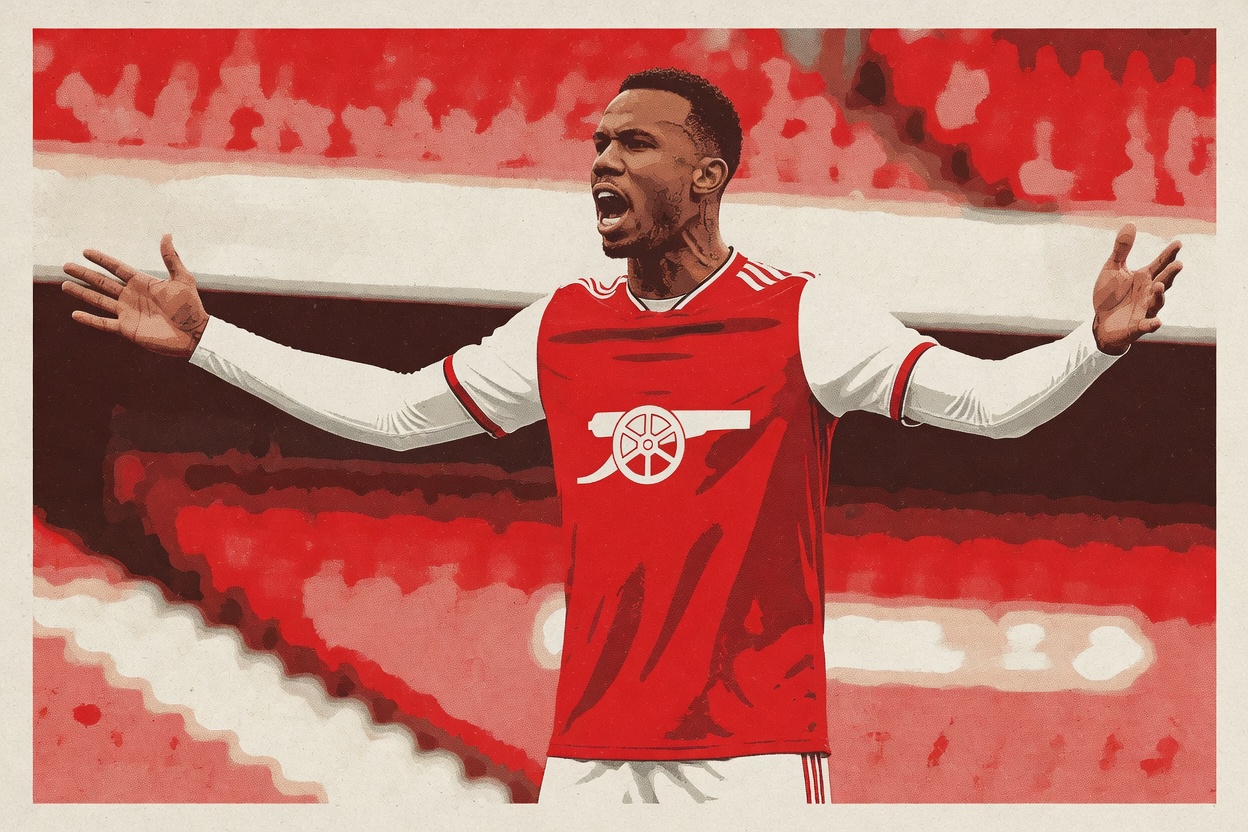
The people responsible are the voters and the voting structure they operate inside. The modern Ballon d'Or rewards goals and highlight reels first and asks questions later. Harry Kane won it on a huge scoring season, the first English winner since Michael Owen in 2001. Kylian Mbappe and Lamine Yamal filled out the podium behind him, both elite attacking threats. What that crowds out matters more: Gabriel was one of the most dominant defenders in Europe this season, part of a backline that conceded the fewest goals in the Premier League, the fourth campaign running that Arsenal owned the division's best defensive record. He finished 21st, behind PSG's Fabian Ruiz at 10th. Ruiz is a fine footballer. The defensive spine of a team that reached the European Cup final was the more decisive presence this season.
The flaw is simple: the award has no honest way to price defensive excellence or team control unless it's bolted to a striker's goal count. Clean sheets and a backline that carries a title across a full season don't move the needle the way twenty-five goals does. Arsenal kept nineteen league clean sheets and a record-equalling nine in the Champions League, and the voters looked straight through all of it.
The individual award matters less when the trophy cabinet is full. Arsenal's players will take the medals every time. But the Ballon d'Or sells itself as naming the best player in the world, and an award that can't see the best players on the best defensive team in England isn't harmless. It's false advertising at a gala.
That doesn't let the panel off the hook, either. Look at who actually won the Champions League: PSG lifted the trophy and still couldn't land a single player in the top three, their names scattered from 6th down into the low twenties. The award rewards whoever produced the flashiest final-third moments, no matter who actually won.
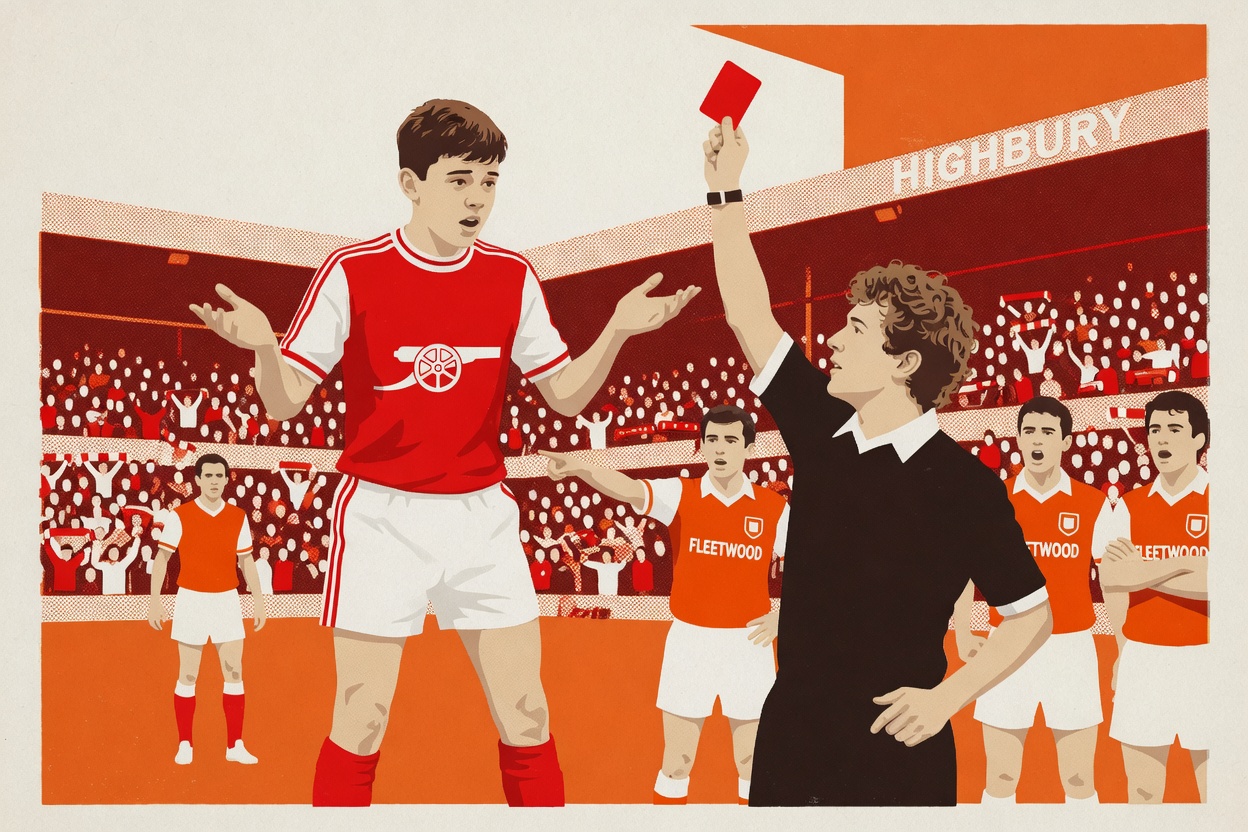
This same week, Arsenal were knocked out of the League Cup by fourth-tier Fleetwood Town, a genuinely embarrassing night. That has nothing to do with the Ballon d'Or case. A weakened side lost a shootout. A voting system failed to recognize a title-winning, final-reaching squad across a whole season.
Arsenal did the job elite football actually demands: control and defensive identity across sixty-plus games. The voting result exposes the award's blind spot. Until the Ballon d'Or learns to weigh a dominant defense the way it weighs a goal tally, it will keep naming a best player in the world and ignoring the best team in it. That failure belongs to the people holding the ballots.