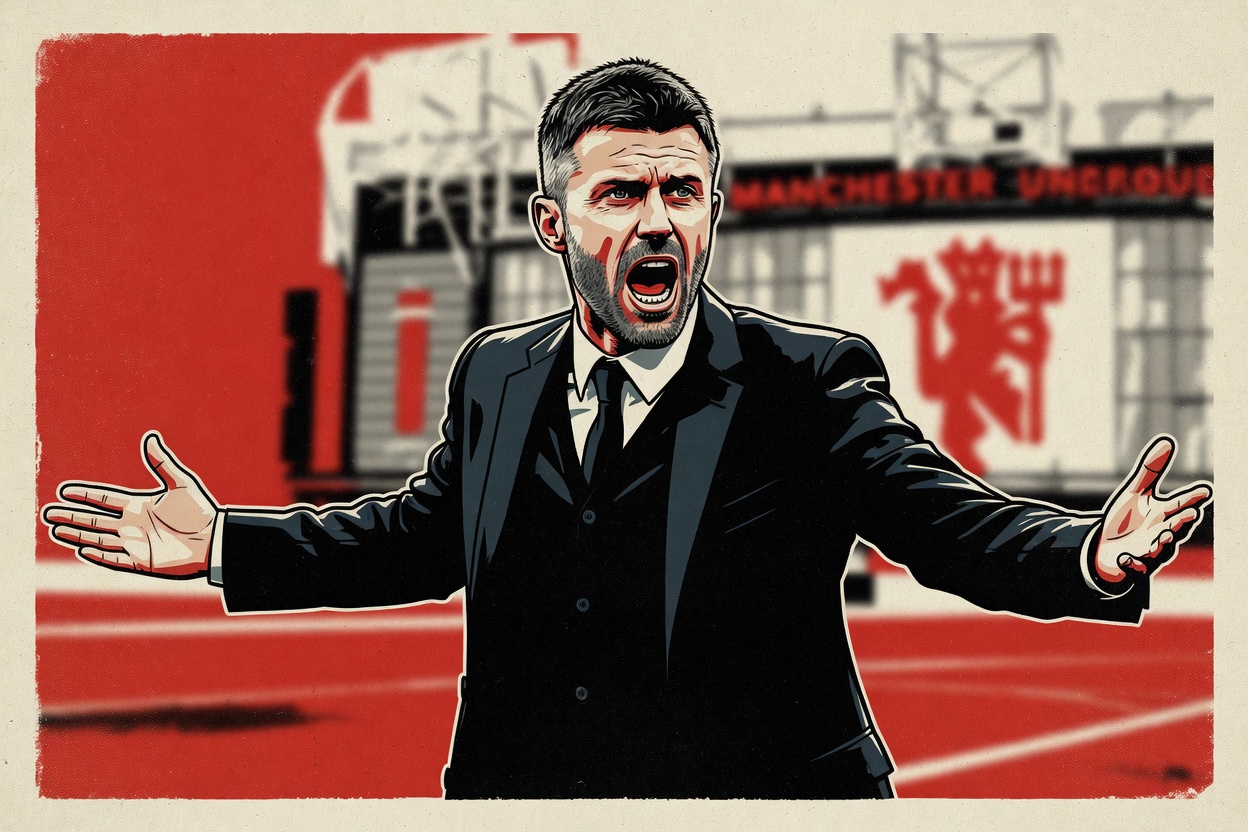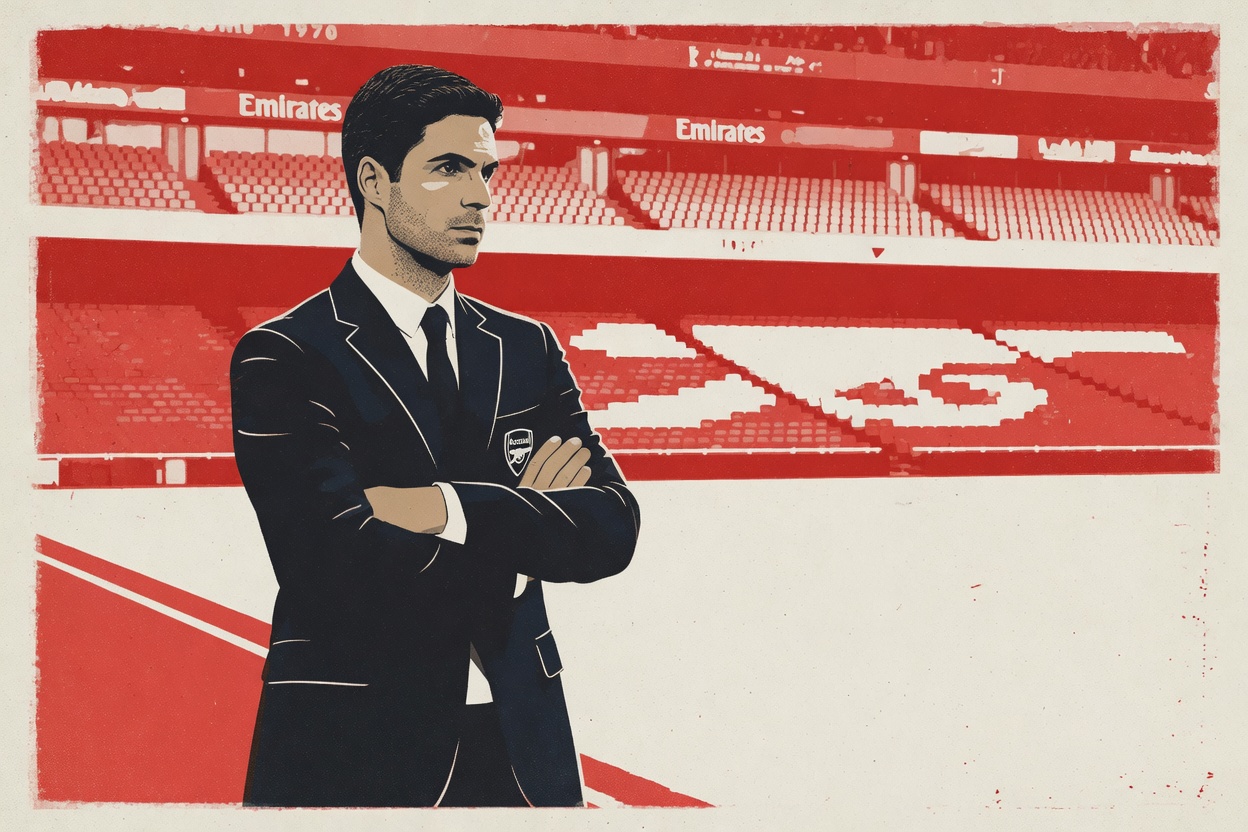
Yes, it's fair in the narrow accountant's sense. Every big company trims costs, and a football club is a company. It's also one of the grimmest things the sport does to its own people.
Arsenal are cutting around 60 jobs. Staff were told on a Wednesday morning call with chief executive Richard Garlick, after a review of the business run by consultants from Boston Consulting Group. The football department, The Arsenal Foundation and security are said to be protected, so the people being shown the door are the ones who sell you a ticket, answer your email, keep the lights on. The club believe the cuts will save somewhere between £5m and £7m a year.
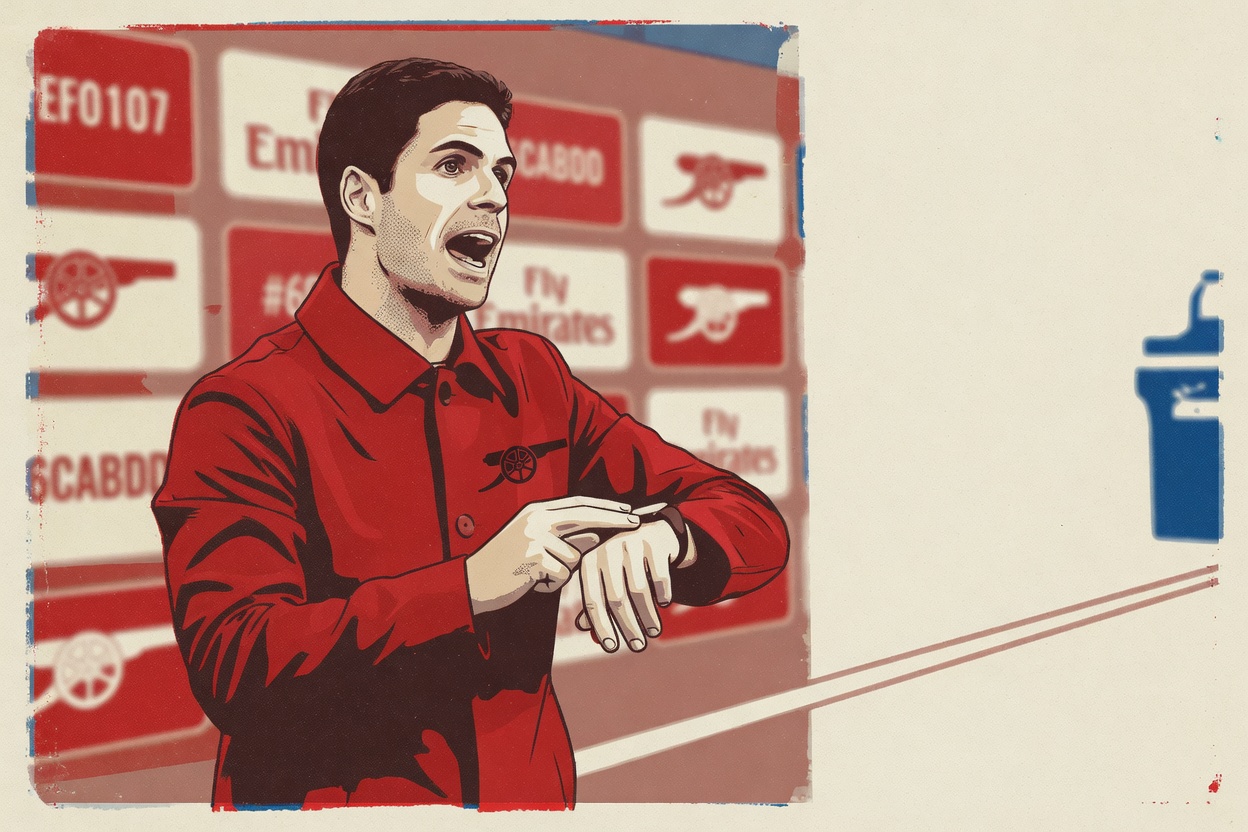
Hold that number against the other one. A week before the redundancies landed, Arsenal announced a new contract for Mikel Arteta through to 2030, worth around £20m a year, roughly double his previous money and enough to make him the highest-paid manager in the league once Pep Guardiola left Manchester City. The raise alone is worth more than the entire annual saving the layoffs are meant to deliver. The club found the cash to pay one man a few million more, then went looking for a few million by thinning out the staff canteen.
Nobody has shown the layoffs were ordered to fund the raise, and that doesn't matter. What matters is what a club reaches for first and what it reaches for last. When Arsenal wanted to keep their manager, the money appeared instantly, framed as an investment. When the books needed tidying, the fix was 60 households. The club treats one choice as building for the future and the other as housekeeping.
We've seen this shape before. In 2020 the club made 55 roles redundant, and that round cost the long-serving performer inside the Gunnersaurus suit his job, right after the players had taken pay cuts. The lesson apparently stuck in reverse.
The context Arsenal cite is real. Operating costs outside wages jumped from around £147m to £200.8m in a single year, the wage bill hit a club-record £346.8m, and the club have posted losses for seven straight financial years, even after £81.2m of profit from selling players trimmed the latest shortfall. A business that loses money year after year has to do something. Fine.
But look at where the belt never tightens. Bukayo Saka remains the club's top earner on a reported £300,000-plus a week. The summer window still ran to tens of millions. The manager got a world-leading deal. Every so-called untouchable stayed untouchable, and the savings came entirely from people earning a fraction of any of them. It shows the value system of modern football: players and bosses are revenue, everyone else is a cost line.
The owner who signs off on both sides of this ledger is Stan Kroenke. He has put real money into Arsenal over the years. He has also built a machine that can hand a manager £20m without blinking and then ask 60 ordinary employees to carry the shortfall. Winning the league for the first time in 22 years was supposed to be the reward for the people who waited. Some of them just got a redundancy letter instead.