You don't part ways with your general manager in late August, with your team still fighting for a division title, because everything is fine.
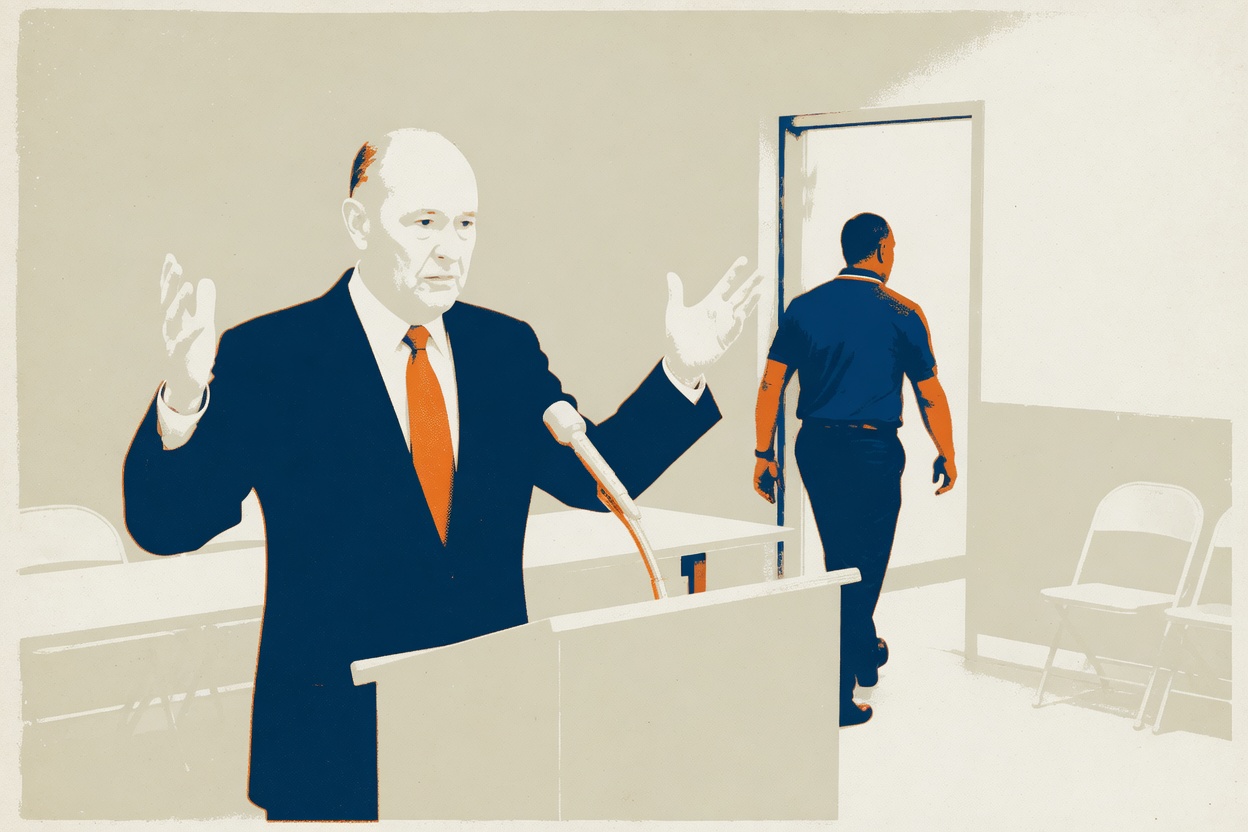
The Astros announced Monday that Dana Brown is out. The official language called it a mutual decision to "part ways," and noted his contract was set to expire at the end of the 2026 season anyway. Owner Jim Crane thanked him for helping the organization win two division titles over the past four seasons. It all reads clean and corporate. It also comes about a day after the Astros blew a 6-0 lead to the lowly Athletics and lost 7-6 on Sunday night. That loss capped a nine-game homestand that went nowhere good.
The timing tells the story here. This wasn't a considered, offseason evaluation of a front office; it was an owner who watched his team cough up a six-run lead to a team going nowhere and decided somebody had to answer for it. Brown was the somebody.
At the moment Crane made the call, this was still a playoff team. Houston was tied for the division lead with 31 games left to play. You fire a GM mid-race when you think the person in the chair is actively sinking a good roster, and when you have a better plan ready to go. What did Crane roll out instead?
He named himself. Brown's duties are being spread across assistant GMs Charles Cook, Gavin Dickey and Connor Huff, plus senior advisor Jeff Bagwell, with Crane personally overseeing baseball operations through the transition. Bagwell is a Hall of Fame first baseman who spent his entire 15-year playing career in Houston, and he's beloved, but a committee reporting to the owner isn't a strategy. It's a holding pattern with the owner's hands on the wheel.
That's what gives the scapegoat game away. If the problem were truly the general manager, you replace the general manager. Crane didn't hire a proven executive to steady a contender down the stretch. He absorbed the job himself. When the guy signing the checks decides the smartest baseball mind in the building is the guy who owns the building, the message isn't "we found a better decision-maker." It's "the decisions were always going to be mine."
Brown, for his part, went out with more grace than the situation deserved. He thanked Crane for his first shot as an MLB general manager, said Houston had welcomed his family, and pointed to his 36-plus years in professional baseball ahead. No shots fired. If you're keeping score on who handled this well, it wasn't the franchise.
Brown could have been part of the problem, sure. Every GM owns a share of a roster that blows a six-run lead to a cellar-dweller. But a roster with real structural weaknesses isn't one man's fingerprints, and it doesn't get fixed by removing that man with a month left in the schedule. Structural issues don't get exorcised with a press release.
My read: this is an owner unwilling to sit with the uncomfortable possibility that the machine he built is showing rust, and much more comfortable handing the public a name to blame. The Astros still might win the division. If they do, watch how quickly the man who fired the GM and installed himself takes the credit. And if they don't, remember who was actually running baseball operations when it slipped away.
Brown didn't blow a 6-0 lead on Sunday night. He just made a convenient target after somebody did.