The Cubs paid more than almost every serious projection said Teruaki Sato would get, and it's still a smart deal: Jed Hoyer's front office was the only one that moved like the lockout clock was real.
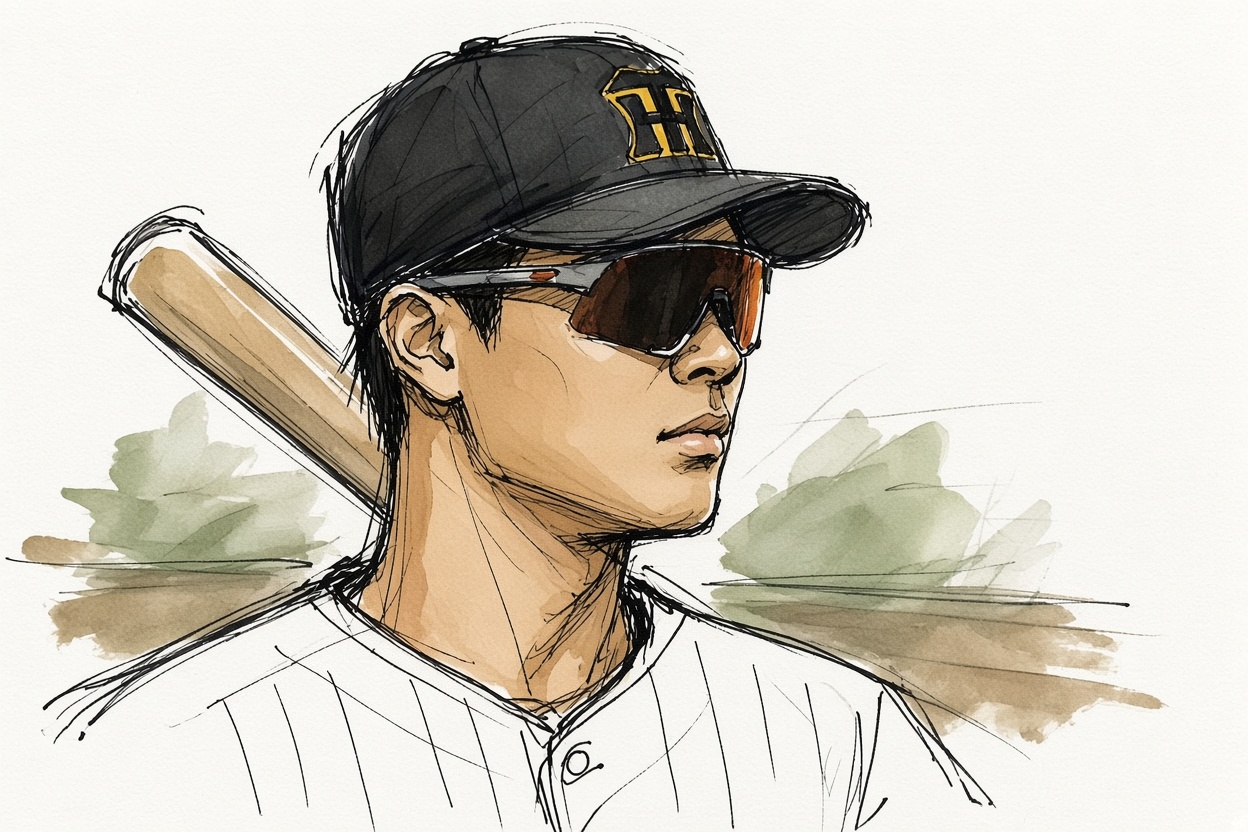
The terms, as of Nov. 24: Sato and the Cubs have agreed to a six-year, $120 million contract, pending the usual formalities. He's 27. He won the Central League MVP in 2025, then won the 2026 Triple Crown for the Hanshin Tigers, hitting .306 with 39 home runs and 106 RBI in 143 games. He's only the ninth player in NPB history to do it. The Cubs expect him to play a corner outfield spot.
The steal talk falls apart against the projections
Go look at what the people who do this for a living expected. Baseball America projected four years and $65 million. MLB Trade Rumors said five years and $80 million. FanGraphs' Ben Clemens had five years and $110 million. ESPN's rankings said five years and $115 million.
The Cubs beat all four on total money.
Where the deal does look cheap is the annual number. Sato gets $20 million a year, below the $23 million average ESPN projected. Chicago got there by tacking on a sixth year. That's a well-built contract for a 27-year-old, and the front office deserves credit for structuring it that way. Calling it a heist only works if you grade it against the most inflated number that floated around this winter. Against the sober projections, the Cubs paid up.
Hoyer won on timing, and the other suitors blew it
Hanshin posted Sato on Nov. 1, which opened a 45-day negotiating window. The catch was the looming lockout on Dec. 1: Sato had to sign before then or risk falling outside his posting window. Every team in baseball knew that.
The Toronto Blue Jays were among the teams believed to want him. They and everyone else let the Cubs close a full week before the deadline. If you think a Triple Crown bat at $20 million a year is a bargain, blame the front offices that had a month and a hard deadline and did nothing with it. Hoyer read the calendar correctly while the rest of the market dawdled.
Suzuki and Happ are the bill
The loudest pushback on this deal is that it leaves the outfield a mess, with Seiya Suzuki's and Ian Happ's futures hanging and the value of the signing depending on how Chicago sorts it out. The sorting is already the plan. The reported setup has Pedro Ramirez taking Happ's spot in left, Pete Crow-Armstrong in center and Sato on a corner. ESPN has Sato replacing Suzuki in right; another projection has Sato in left with Matt Shaw in right. Whichever version holds, Suzuki and Happ are the ones squeezed out.
The Cubs chose the younger player. Sato is five years younger than Suzuki, and the front office decided that gap was worth paying for. It's cold, and it's the correct call.
The real risk is the glove. Sato won a Gold Glove at third base last year and played only 45 games in the outfield over the last two seasons in Japan. He's learning a corner on the fly in the big leagues. That's a legitimate worry, and it comes with paying for the bat.
One signing builds no pipeline
As for Chicago suddenly becoming the place every Japanese star wants to go, slow down. One deal doesn't prove that. The message this one sends to the next NPB star is mixed: the Cubs pay a fair price, and they'll move on from you when a younger version shows up.
What actually sells Wrigley is the lineup. The Cubs ranked first in run scoring in 2026, and Crow-Armstrong just won the NL MVP. A hitter coming over from Japan wants to drop into that, and he doesn't care whether some message board called his contract a bargain.
Sato got paid properly, and the Cubs got their man a week before the deadline. Every other contender let a reigning Triple Crown winner walk to Chicago because nobody else had the nerve to bid first.