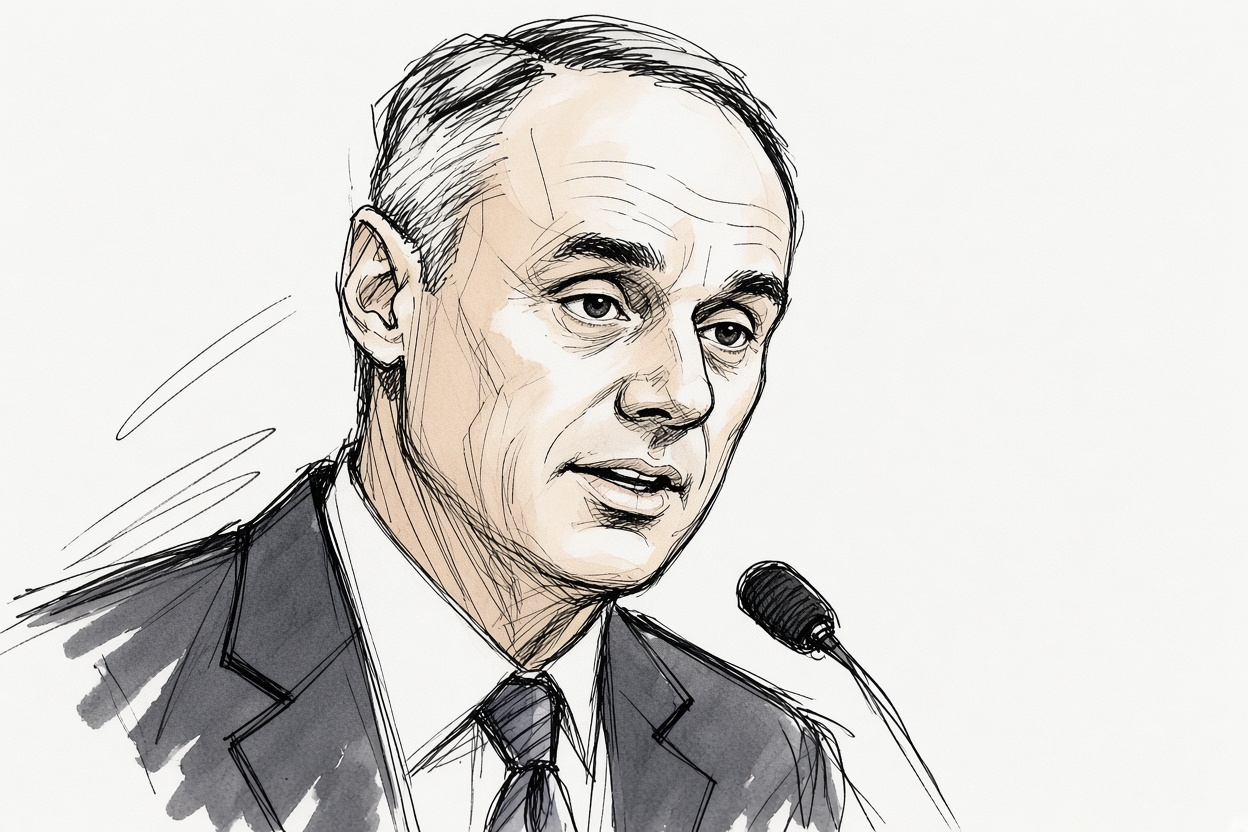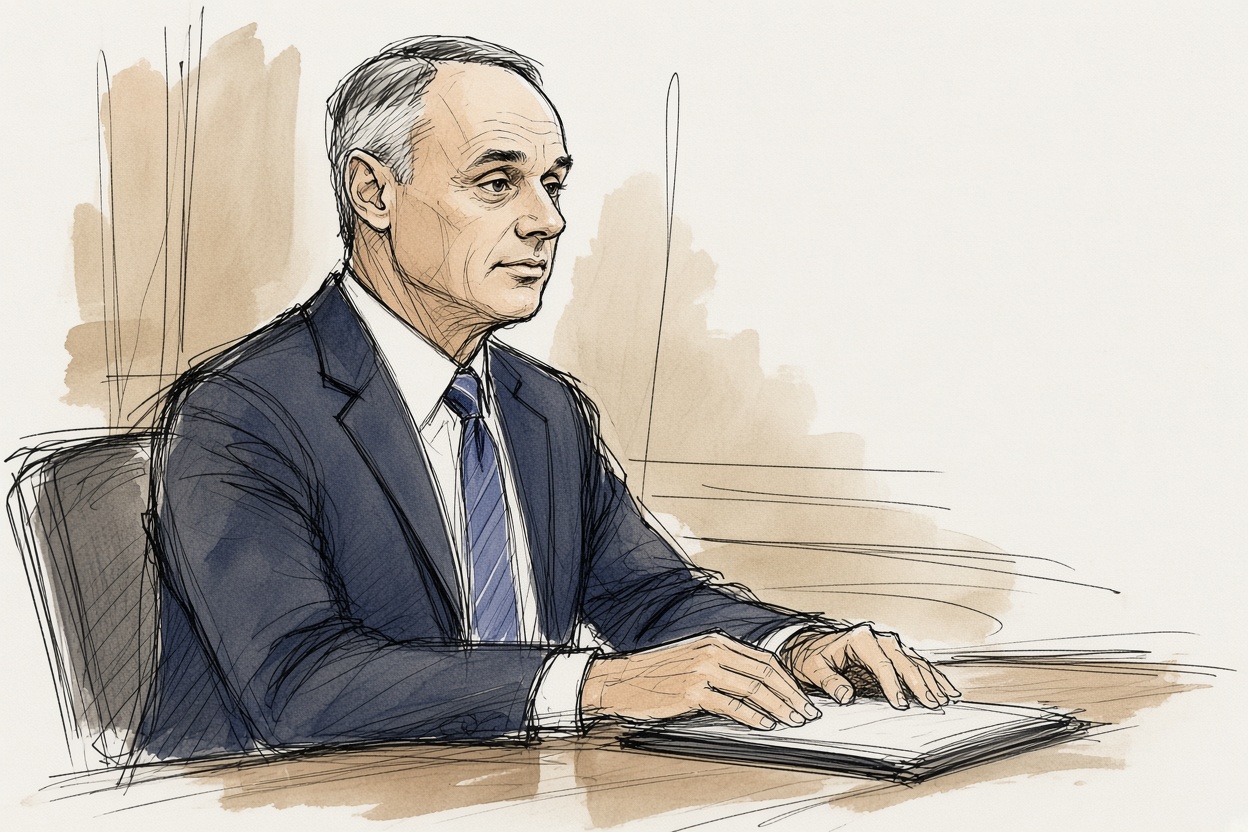
The players just said yes to the owners' own revenue-sharing plan, and the owners still won't do it. If you're asking who's posturing a week before an expected lockout, look at Rob Manfred's side: it wrote a fan-friendly idea and stapled it to a salary cap so it could never pass on its own.
On Monday, the MLB Players Association answered the league's cap proposal by agreeing to share all media revenue equally across the 30 clubs. The union's release put it plainly: "Today, players reaffirmed their commitment to reaching a fair deal by agreeing to the owners' proposal to share all MLB media revenues equally across the 30 clubs." The idea came from MLB. The league's own framework included splitting local media revenue equally among all 30 teams for the first time, as part of its push for a cap and a floor. The players took the sharing and left the cap on the table.
The owners built the hostage situation
Under the expiring deal, teams pool 48% of their local broadcast money and keep the other 52%. Local media revenue across the sport is $1.8 billion this year, down $575 million from roughly $2.4 billion a year from 2021 to 2024. The regional TV model is falling apart under these clubs, and pooling what's left is basic self-preservation for a league that wants every team on a screen.
As of this writing, the league still ties equal media sharing and blackout relief to a salary cap. Manfred has drawn his line in public: "there's one thing I will not compromise, and that's the issue that we're hearing from the vast majority of our fans: They want salary cap and floor, and on that, we will not compromise." Blackouts are a TV distribution problem. The league and its teams can end them without a cap. Wiring the two together was a choice, and a cynical one: pair the thing every fan wants with the thing the players have vowed never to accept, then blame the players when your screen goes dark.
The owners sweetened other parts of their offer the same day, proposing a $1 million minimum salary for all players in 2027 and an automatic 5% signing bonus for players in arbitration. Union head Bruce Meyer's response: "The league's proposals today don't add a single dollar in overall player compensation as compared to prior proposals, and once again are expressly conditioned on accepting their salary cap and other anti-player restrictions." Same trick, different plank.
Yes, the union timed its yes for maximum embarrassment, roughly a week before the CBA expires at 11:59 p.m. ET on December 1. Good. Manfred's office has spent this fight telling you the cap is what fans want. The players get to answer in public too.
The skeptics are right about one thing
Nothing here is signed. As of Tuesday, this is matching language in two competing proposals, with the sides dug in on the cap and owners expected to lock players out the day after the deal expires. And big-market owners won't hand over their local TV money without getting a cap back, which is exactly the problem: if the richest clubs will only share when they also get a payroll ceiling, the sharing was bait from day one, and Monday forced them to show it.
Then there are the Dodgers. Thanks to an agreement struck with MLB during the club's 2012 bankruptcy proceedings, Los Angeles keeps more than half of a local TV deal worth over $300 million a year, a better rate than the 48% most teams pay into the pool. Estimates of what that saves the Dodgers run from $50 million to $55 million this year, to about $66 million a year, and the arrangement runs through 2039. The league has lived with that for well over a decade. Now, with a lockout clock running, it has discovered a passion for leveling the field. Spare me.
Who pockets the money
The worry you hear from fans is that cheap owners will bank the extra TV money and field the same roster. The players wrote the answer into their own proposal: revenue-sharing recipients get $20 million for reaching the postseason or finishing with a better record than the worst playoff team, and $10 million for finishing above .500. The union also wants assistance to low-revenue clubs to climb from about $700 million in 2026 to more than $950 million in 2027. Money tied to winning. The players are the ones protecting fans from the owners here, and the league should be embarrassed by that.
If 2027 opens with a lockout and blacked-out TVs, put both on Rob Manfred and the owners who decided equal TV money was only worth doing if it bought them a salary cap.