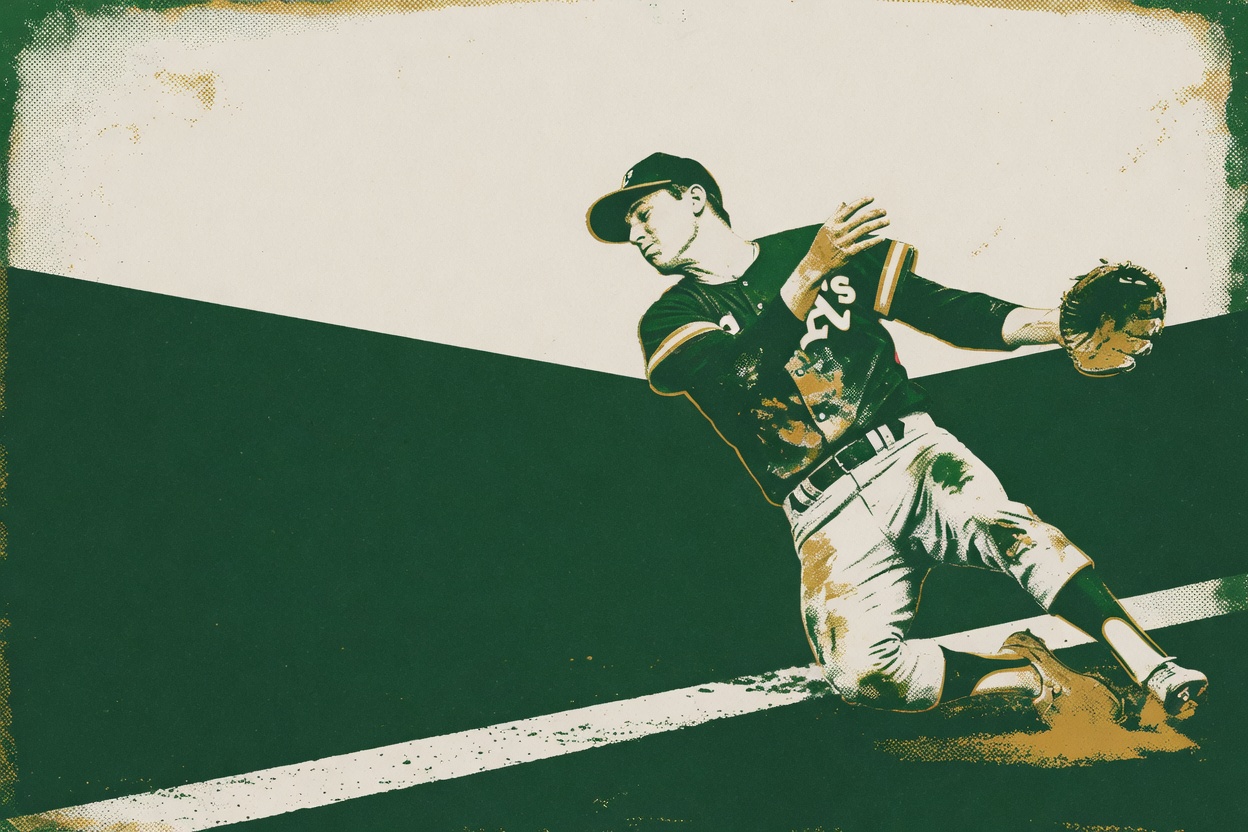
The record and the wreckage came from the same shoulder.
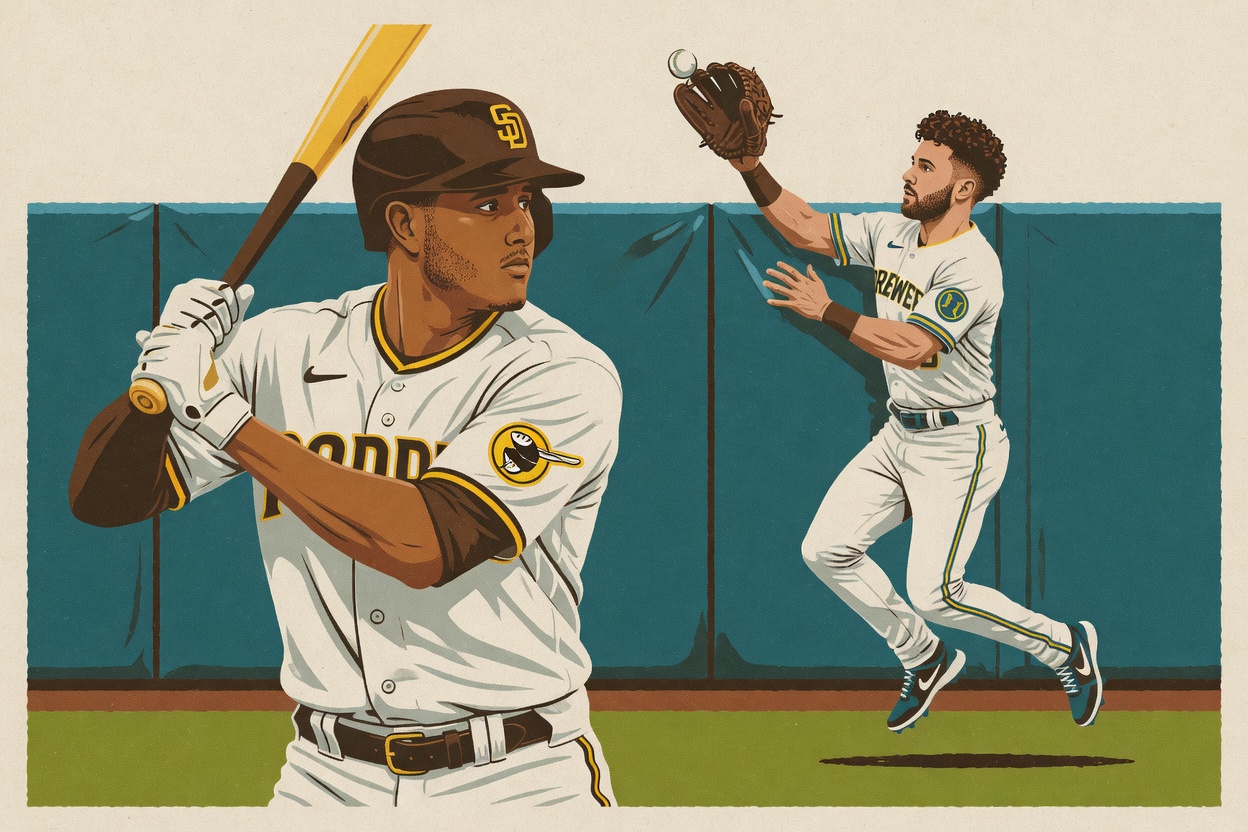
On August 9 at Fenway Park, the A's shortstop played his 111th consecutive errorless game, passing former Orioles infielder Mike Bordick, who had a 110-game stretch in 2002. It's the kind of clean, precise excellence that makes a 24-year-old feel like a franchise cornerstone. The streak isn't even a 2026 thing. It stretches back across seasons to July 6, 2025, when Wilson made his last error, in a game against San Francisco.
Nice number. Now look at the fine print.
Wilson had been carrying a left shoulder subluxation since May, when he was placed on the injured list after a diving attempt on an infield single by Gunnar Henderson. At the time, it was known that this kind of injury can sometimes require surgery. He was back on the field about a month after landing on the IL and kept playing through it, all the way to a record set in Boston, on a shoulder everyone knew was compromised.
We don't have to guess whether the A's understood the risk. Manager Mark Kotsay said it out loud.
"He's definitely been playing with his shoulder [injury] since he came back off the IL," Kotsay said. "We knew the shoulder, if he had to make another play, which he did in Boston [during Aug. 7-9], that it may come back and be an issue."
That's a manager admitting the team knew a hard defensive play could reopen the injury, then watching Wilson make hard defensive plays in the exact series where he broke the record. The breakdown followed the script. Wilson got hit by a pitch on his left pinkie finger over the weekend, missed the rest of a game against the Rangers and the next one, then felt increased shoulder soreness while swinging Monday. By the following Thursday, Kotsay had gone from listing him as a late-game pinch-runner to listing him as unavailable. On August 21, before the series opener against the Astros, the A's placed him on the 10-day IL.
Kotsay's prognosis has been blunt and repeated: "it is most likely season-ending, and I will continue to say that until we get a different answer from either Jacob or the doctors." As of this writing, that's still a prognosis, not a signed diagnosis. Wilson traveled back to Sacramento and wasn't scheduled to see the doctor until the following Tuesday. So call it what the team calls it: expected to end his season.
There's a fair counterpoint here. Wilson wanted to play, competitors always do, and a shoulder subluxation doesn't automatically mean surgery. Plenty of players manage them without going under the knife.
My problem with that defense: what exactly was Oakland playing for?
At the moment his IL move surfaced, the A's were last in the American League at 49-78. As of August 25, they were 51-81, last in the AL West, 15 games back, with a run differential of minus-190, among the worst marks in the majors. There's no race to chase. Wilson's 2026 line before the shutdown, .266 with seven homers, 37 RBIs and a .686 OPS across 80 games, was a clear step down from his 2025 breakout, when the All-Star hit .311 with 13 homers, 63 RBIs and a .799 OPS over 125 games. His swing was already telling you the shoulder was taxing him. Running a hurt cornerstone out there for a lost season to preserve a defensive streak is a trade I'd never make.
And this is where the story stops being about one player.
With Wilson's addition, the A's had 13 players on the injured list. He joined a season-ending list that already included first baseman Nick Kurtz (right thumb strain, since moved to the 60-day IL), catcher Shea Langeliers (torn meniscus), outfielder Tyler Soderstrom (left hip impingement) and designated hitter Brent Rooker (left knee surgery). That's the offensive core, gone. Denzel Clarke has been out with a strained hamstring but started a minor-league rehab assignment, and rookie Joshua Kuroda-Grauer's status remains undetermined. The middle infield now leans on Darell Hernaiz, Alika Williams and Donovan Walton.
One bad season is bad luck. This many injuries, this deep into the roster, is the kind of pattern that should make a front office ask hard questions about how it evaluates, conditions and manages the health of its young players. I'm not diagnosing the A's medical staff from the outside. I can't, and neither can anyone else who wasn't in the room. But when a rebuilding team keeps losing its best assets to injury, and its own manager is on record saying it knowingly played one of them on a bad shoulder in a meaningless summer, the burden shifts. The organization owes itself an audit.
Wilson will probably be fine long-term. He's 24, he's already shown he can hit and field at a level worth building around, and he has a real record to his name. The nice bit of trivia is that Bordick, the man he passed, also once wore the green and gold, playing for Oakland from 1990 to 1996.
But the A's don't get to celebrate the plaque and shrug at the price. They pushed a hurt kid to a record on a team going nowhere, and now he's shut down with a shoulder that might need to be rebuilt. If you're running a franchise that keeps ending up here, the streak isn't the headline. The IL is.