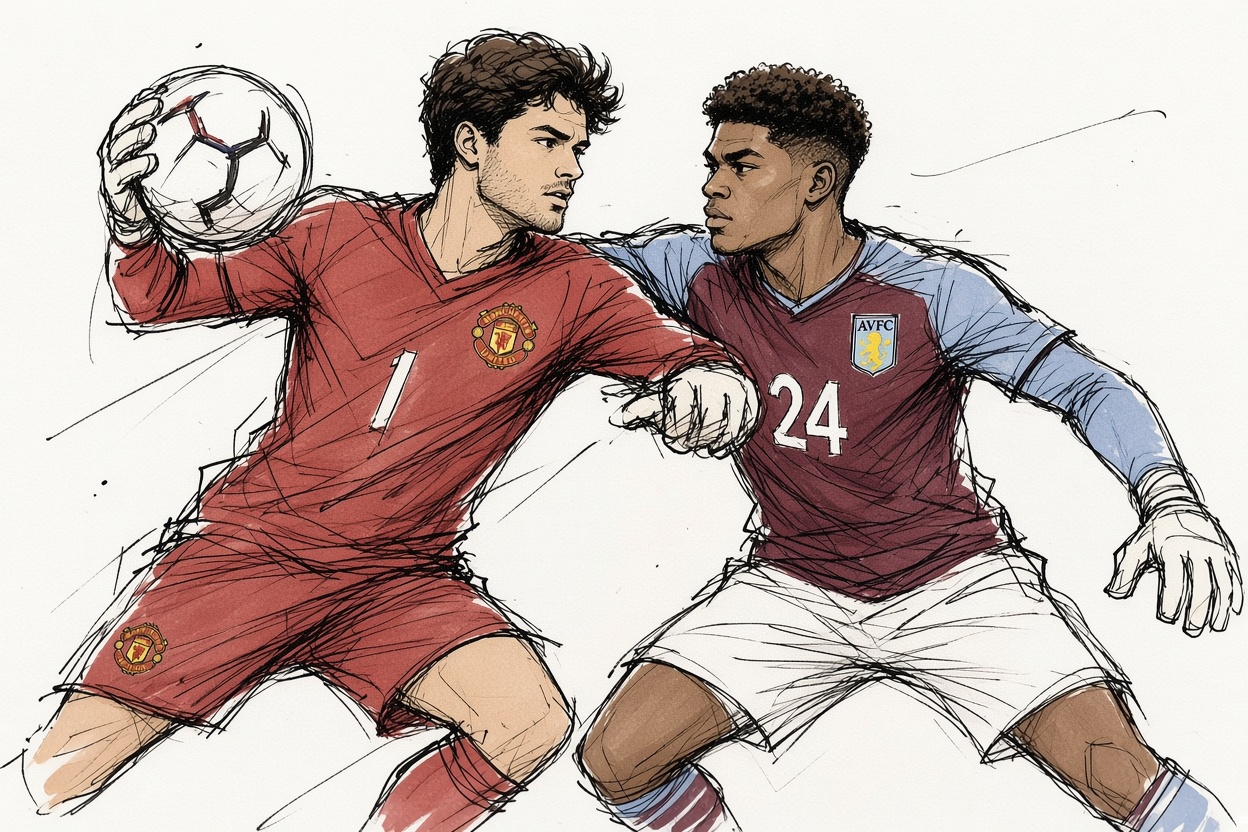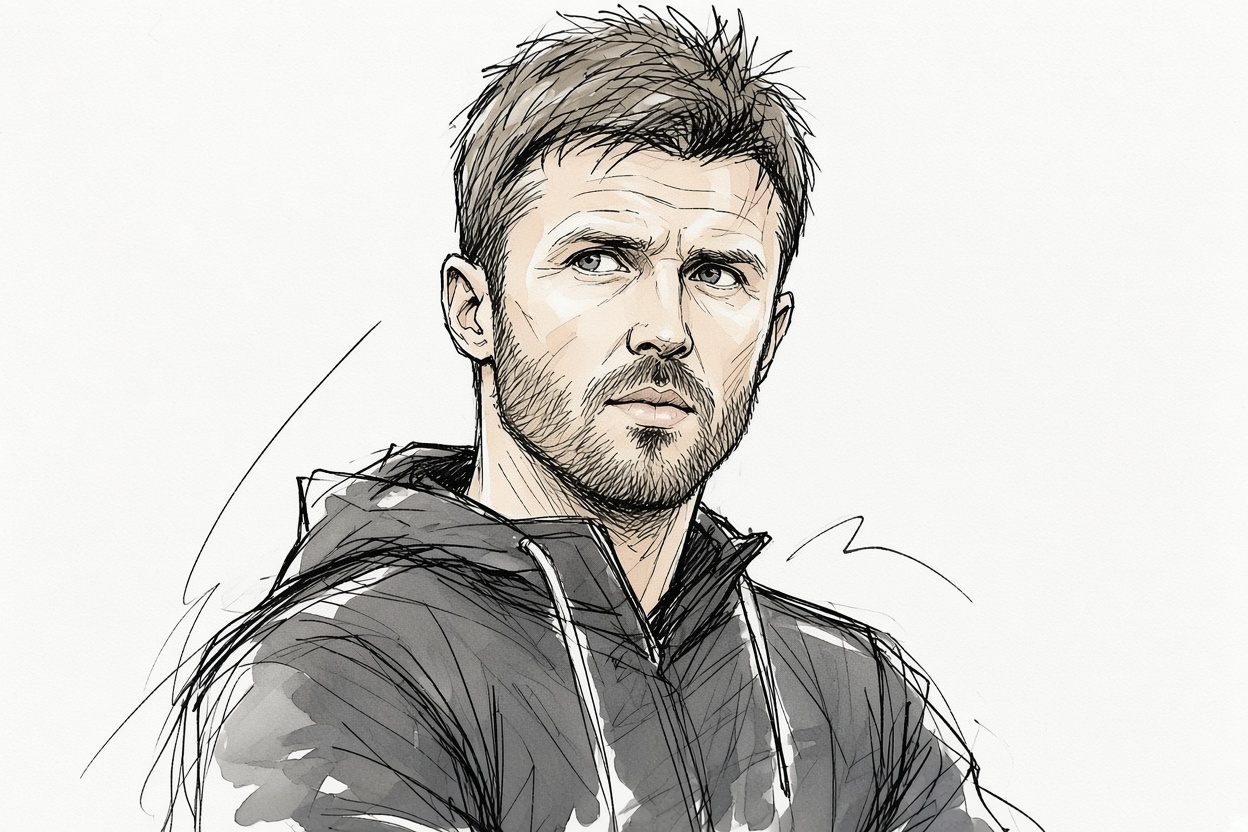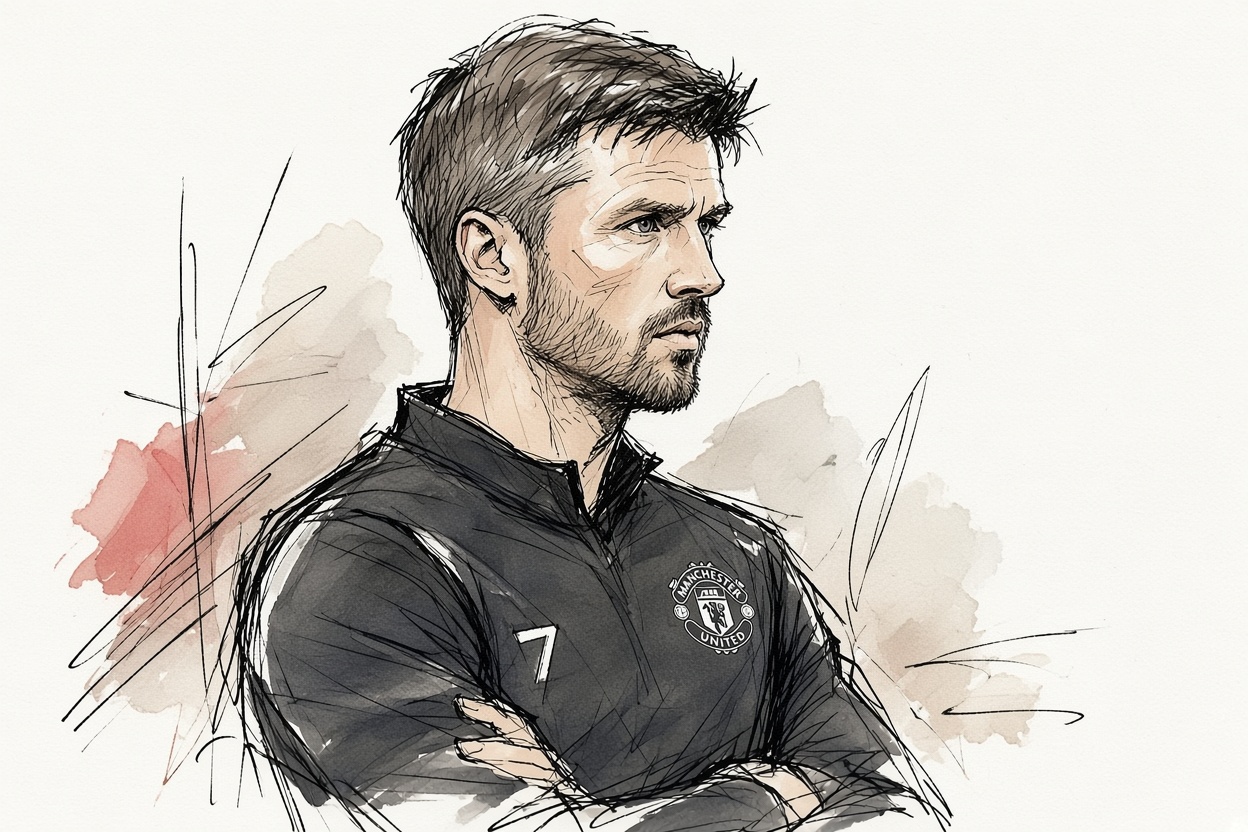
Sacking Michael Carrick would solve the one problem Manchester United always find easiest to solve: the man standing on the touchline. By November 9 and 10, the club was reportedly moving toward exactly that, with ownership said to be split on whether to pull the trigger. One win in his last ten league games and a spot in the relegation zone are grounds for a change. Nobody sensible is going to pretend a side sitting 18th is being well coached. But firing him won't touch the actual problem.
Carrick got this job on merit. His interim run was good enough that the club handed him a two-year deal back in May. Before him, under-18 coach Darren Fletcher took temporary charge and didn't win either of his two games. Before Fletcher, Ruben Amorim left after fourteen months amid a total breakdown with the hierarchy. That's three different people running the first team inside a calendar year, and United have churned through managers at a rate no serious club tolerates. Every one of them has been handed the same broken steering wheel and blamed when the car kept crashing.
Look at what Carrick was actually given to work with. United finished the summer window with a reported £118m net spend, bringing in Carlos Baleba, Youri Tielemans, Andrey Santos and goalkeeper Karl Darlow. That net figure came in below newly promoted Ipswich and Coventry. A club with United's revenue, telling everyone who'll listen that it wants back among Europe's best, spent less net in the market than two sides who were in the Championship last year. Carrick himself said during the window that the squad needed more. He didn't get it.
So who did the shopping? Jason Wilcox, the director of football, ran the process that installed Carrick in the first place, out of a breakfast meeting with Sir Alex Ferguson and Omar Berrada. The money, or the lack of it, sits with the co-owners: Sir Jim Ratcliffe, Joel Glazer and Avram Glazer. They set the budget, picked the recruitment model, and now reach for the one lever that costs them nothing in public credibility. Fire the coach, keep the architects.
His job title gives it away. He's "head coach," and under this structure the manager job United fans grew up with doesn't really exist anymore. That's exactly what the title is built to signal. Amorim bristled at that distinction on his way out, insisting "I'm the manager of Manchester United." The club has reorganised power so that whoever sits in the dugout owns the results and almost none of the decisions. That's a design choice, and it's failing on purpose.
Carrick deserves a longer run. Good young coaches need years, and United keep pulling the plug too early. That's exactly the pattern that got them here. Still, you can't ask a fanbase to sit through one win in ten in the relegation zone on a promise. Results this bad force a decision. The decision United are about to make is the only one they ever make.
Whoever's next, Mauricio Pochettino, Eddie Howe or Julian Nagelsmann, walks into the same setup: a co-ownership that won't spend like a giant, a director of football picking the players, and a title that strips the coach of real authority. Roy Keane told the club to go for "the best of the best." The best of the best would take one look at this structure and know exactly how it ends. They've watched this same ending play out again and again.