Toronto gets to ask Boston and Philadelphia for more because both teams signed trades that hand Toronto the choice, and neither one has to say yes. Call it extortion all you want. A shakedown needs a threat, and the worst thing the Leafs can do to either team is give it a different first-round pick.
What actually got signed
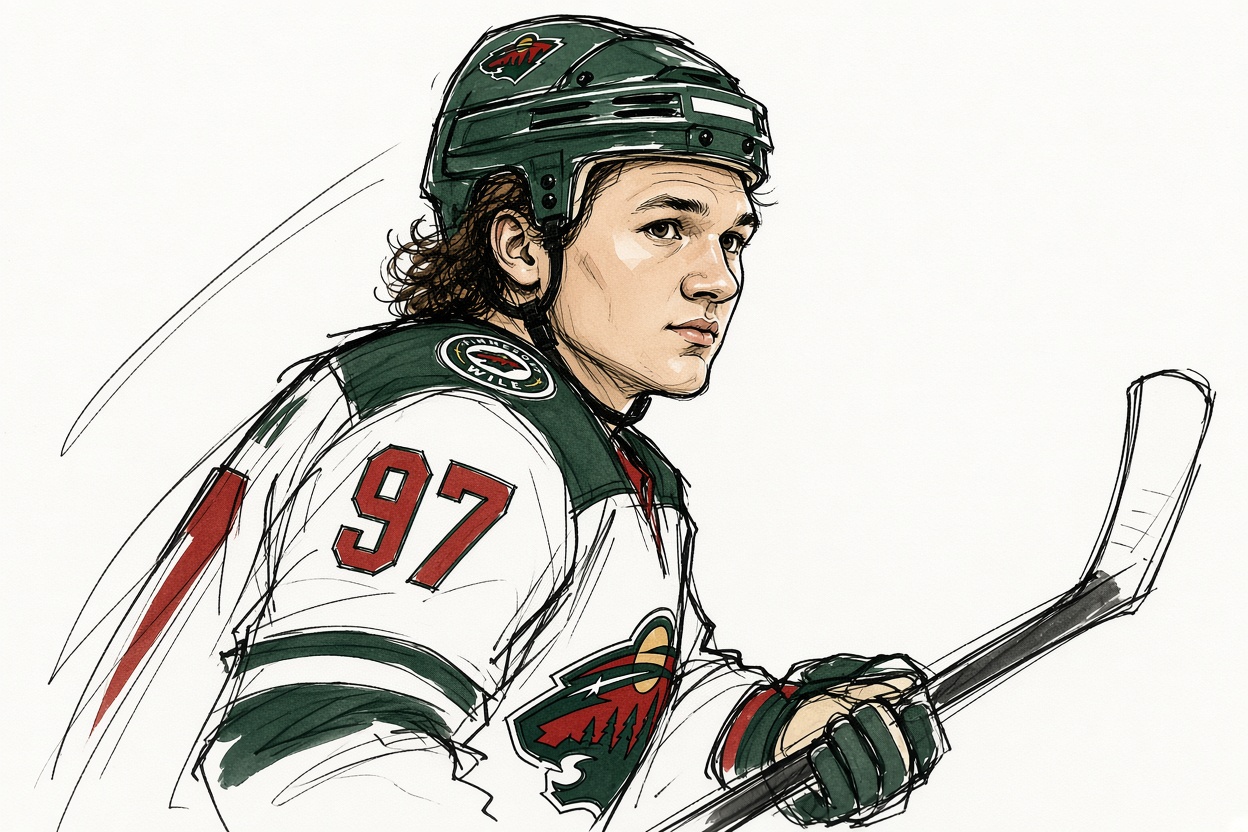
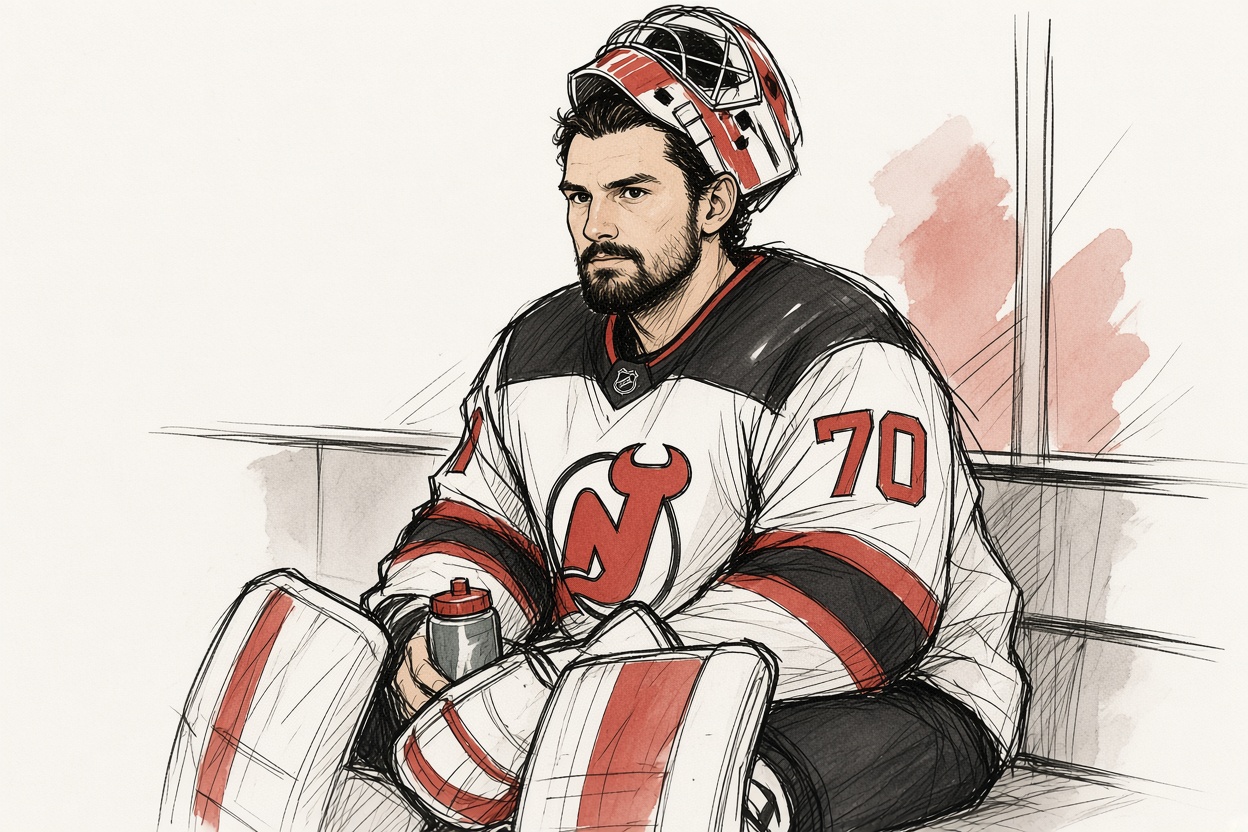
At the 2025 trade deadline, then-Leafs GM Brad Treliving made two trades hours apart. Boston got Fraser Minten, a top-five-protected 2026 first and a 2025 fourth-rounder for Brandon Carlo. Philadelphia got Nikita Grebenkin and a top-10-protected first for Scott Laughton, with a fourth and a sixth coming back to Toronto.
Then Toronto won the 2026 draft lottery, took Gavin McKenna, and the Bruins never received the pick they were owed. That triggered the backup language, and the NHL has confirmed how it plays out. If Toronto's 2027 first lands outside the top 10, Philadelphia gets it and Boston gets an unprotected 2028 first. If it lands inside the top 10, Toronto picks which team gets the 2027 pick, and the other gets the unprotected 2028 one.
The new wrinkle came from Elliotte Friedman: nothing stops Toronto from using that choice as part of a "bona fide" trade, pending league approval. In his words: "If it's an actual bona fide trade that one of those two teams would make with the Maple Leafs involving other pieces, then yes, that could happen." He expects anything like that would come after the 2027 draft lottery.
Nobody is reopening anything
The Carlo and Laughton deals are done. Boston and Philadelphia are each getting a Toronto first-rounder no matter what happens next. The only thing for sale is which pick goes where, and the buyer has to walk up to the counter on its own.
That's exactly why neither team should overpay. The fallback is an unprotected 2028 first that could be worth just as much as the 2027 pick. Saying no costs almost nothing, so Toronto only gets paid if a GM panics. If the Bruins or Flyers end up handing over a prospect, that's their nerve failing.
Anyone wanting the league to just step in and pick a winner already got their ruling. The NHL read the paper both teams signed, and the paper says Toronto chooses. Tearing that up because the choice suddenly got valuable would punish the one team following the deal as written.
Why it keeps getting louder
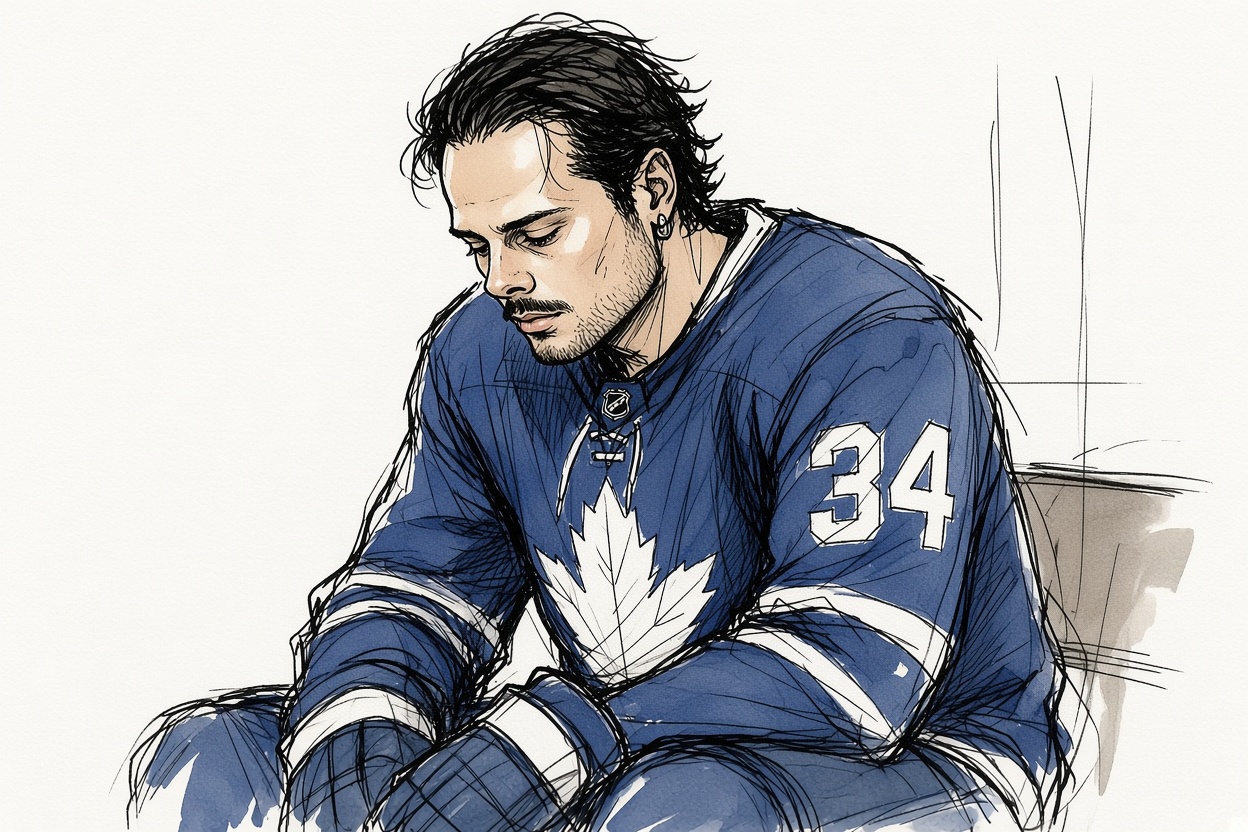
As of Nov. 22, the Leafs were 0-8-1 over their last nine games. That 2027 pick currently carries the fourth-best odds at the top selection, and the number moves every time Toronto loses. Both the Bruins and Flyers want it, and every Leafs loss raises the stakes on a choice neither of them controls.
Who to blame
Start with Treliving, who built two conditional-pick trades at the same deadline with protections that could collide. Toronto's own lottery win was enough to tangle them. Then blame the Bruins and Flyers front offices, who both put their names on that overlapping language and never insisted on protections that stayed out of each other's way. Boston negotiated top-five protection on a 2026 pick and still ended up waiting on Toronto's decision.
Toronto's current front office didn't write any of this. It inherited a quirk in a deal, and it's entitled to use it.
If Boston or Philadelphia sends the Leafs real assets for the right pick, that's a GM paying to clean up his own sloppy paperwork. Toronto should take every piece offered.