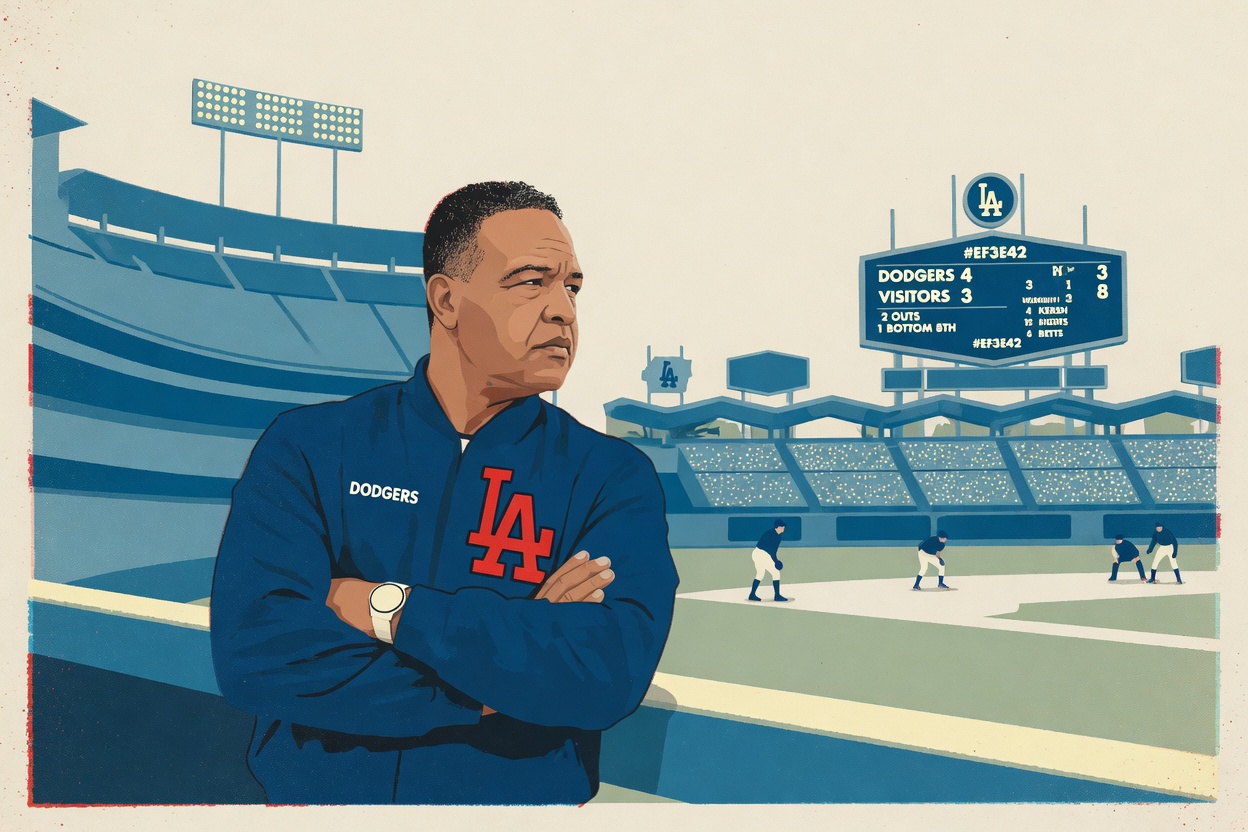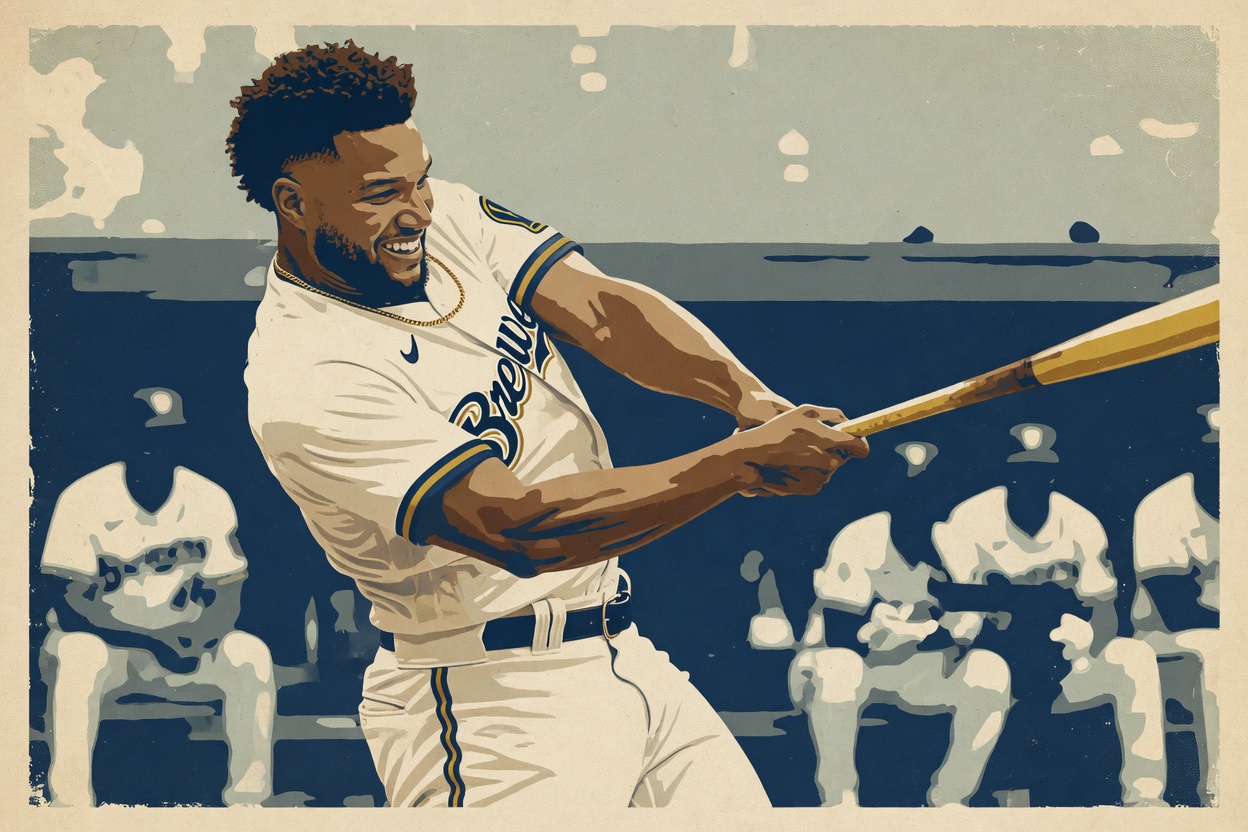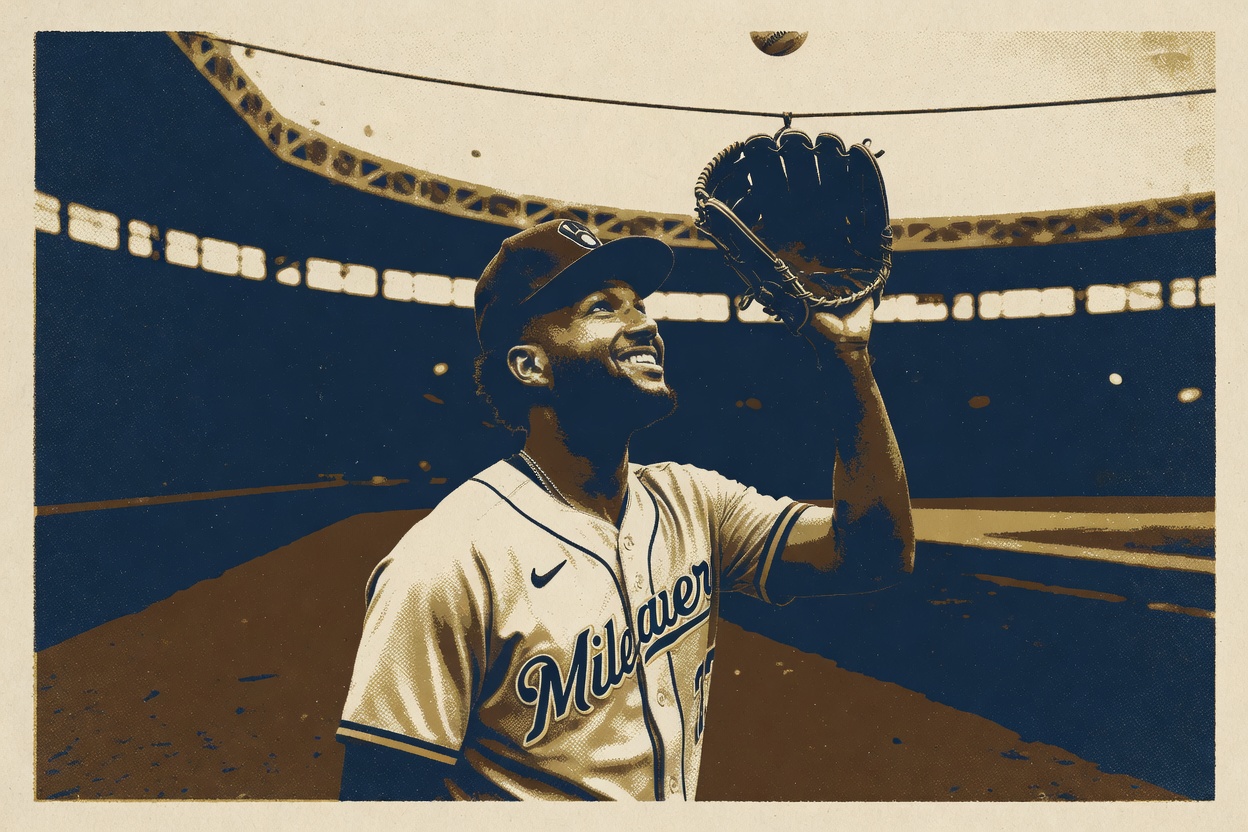
22-0 isn't a normal baseball score. It's the kind of number that shows up once or twice a generation. This one tied the largest shutout margin of the modern era (since 1901), matching the Pirates' 1975 win over the Cubs and the Indians' 2004 win over the Yankees. The Brewers hit three-run homers from Christian Yelich, David Hamilton and Luis Lara, got a two-run shot from Jake Bauers, and finished with 22 hits to go with the 22 runs. Kyle Harrison kept Seattle off the board for five innings, and by the time position player Leo Rivas was on the mound in the eighth, the game had stopped being a game and turned into a spectacle.
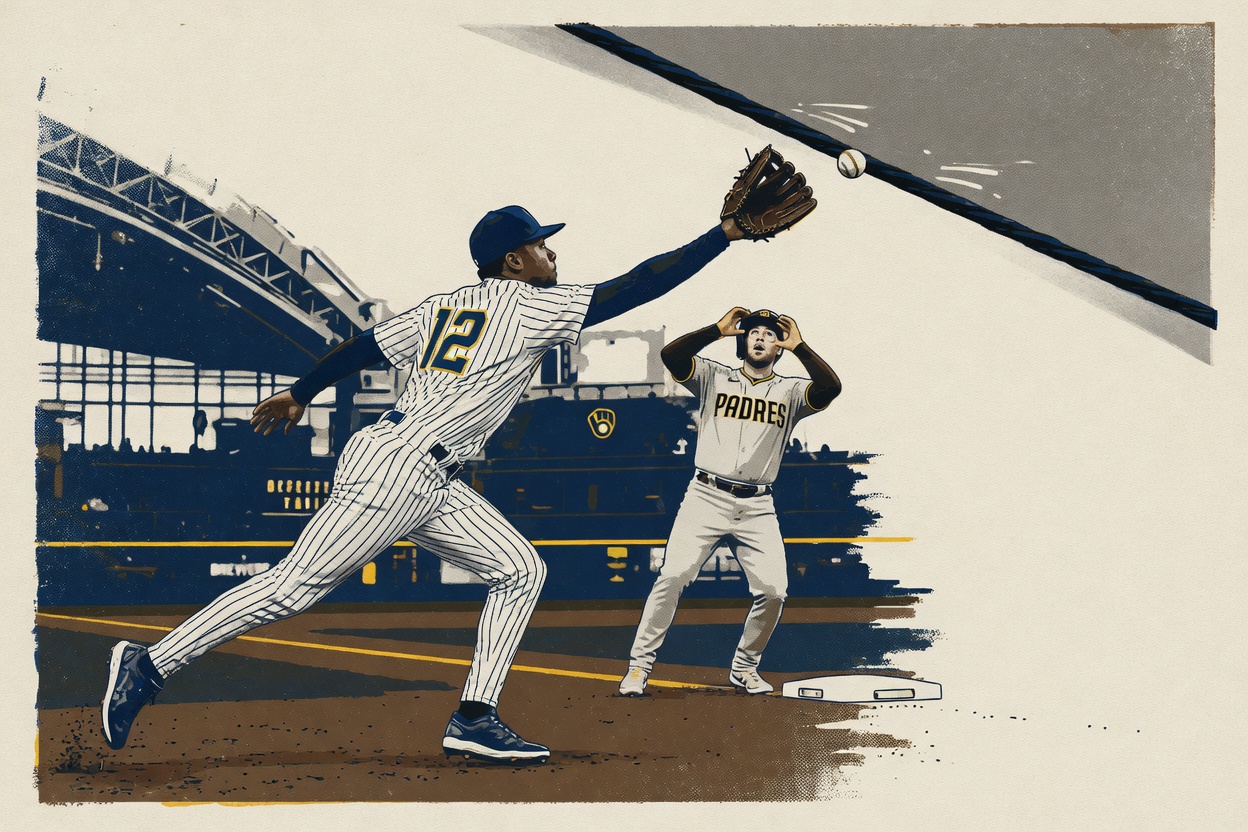
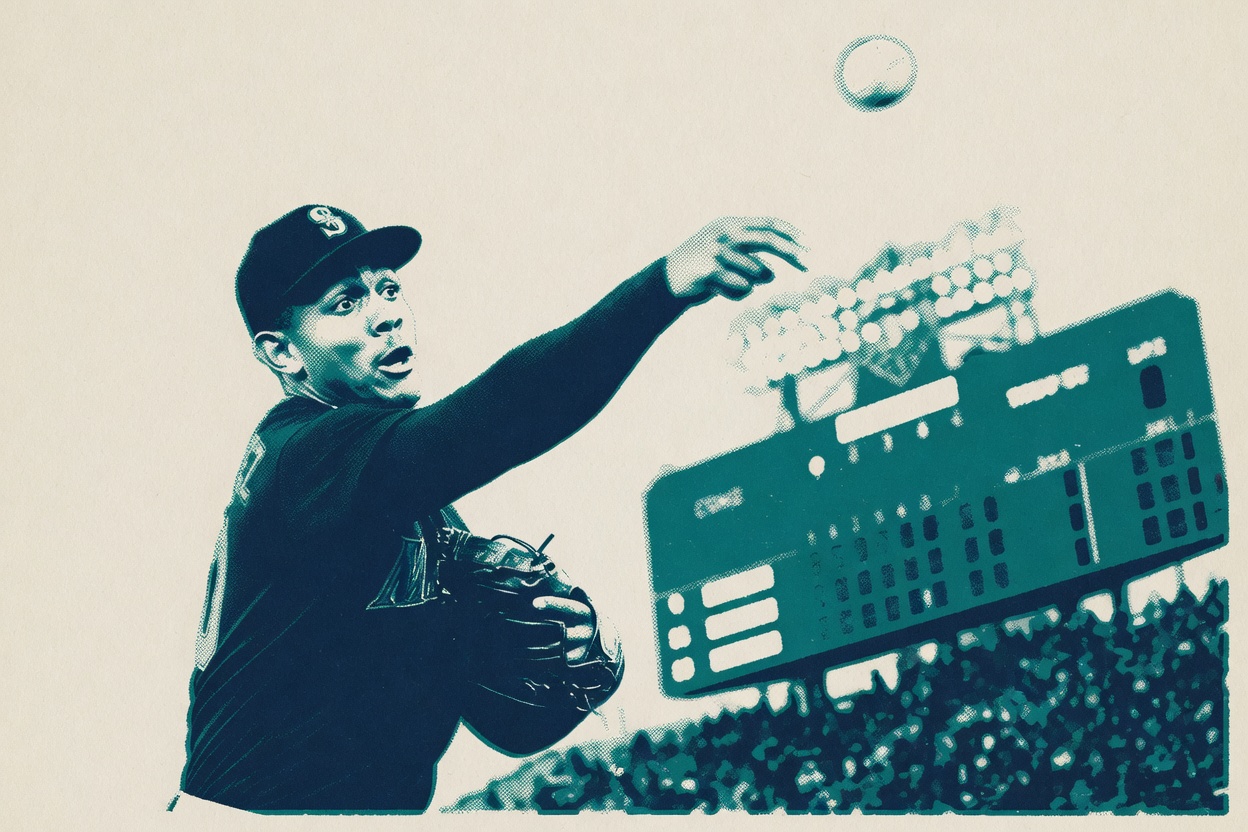
If you want a single image that captures how badly this one got away from Seattle, skip the scoreboard and go to center field. Julio Rodriguez caught a pop-up and, thinking it was the third out, threw the ball into the stands with only one out recorded, allowing a run to score. It's easy to see why that moment stuck: a Gold Glove-caliber center fielder losing track of the outs in the middle of a laugher is the kind of thing that turns a bad loss into a symbol of a team that's lost the thread.
That symbol is misleading if you stop the tape there. Bryce Miller, who got pulled in the fifth inning and took the loss, said it plainly afterward: "Obviously, it's an embarrassing loss. We got our ass kicked. But at the end of the day, dwelling on it isn't going to do any good. We gotta go back to the hotel, sleep, and come back tomorrow and play again." That's a veteran's answer to a blowout, and Seattle backed it up almost immediately. The very next night, the Mariners jumped on Brewers starter Dustin May and never trailed, winning 7-5 behind two RBIs apiece from Dominic Canzone, Josh Naylor and Taylor Ward, with Andrés Muñoz closing it out with a perfect ninth. Brendan Donovan's line summed up the mood in that clubhouse better than any stat could: "It was kind of like, 'Well, we made history, boys, let's flush it.' Not exactly the history we wanted to make."
One blowout, however historic, doesn't tell you much about a team's character. The response does. A club that gets buried by 22 runs, then comes out the following night, takes an early lead and holds it against the same opponent, is a club that hasn't let one bad night turn into a crisis. That matters because this is happening in the middle of a genuinely muddled American League wild-card picture, where seven teams entered that week separated by only a handful of games and none of them was over .500, the kind of race where one ugly loss can feel like the end of the world and usually isn't. Milwaukee, for its part, came into the series as the sport's best team by record and played like it for one night. Good teams do that sometimes. The measure of the team on the other side of the field is whether it lets that night define the week, and Seattle didn't.
Take the 22-0 loss for what it is: one of the most lopsided results the sport has produced in over a century, an embarrassing night for Julio Rodriguez and the Mariners' defense, and a footnote once the next game started. The number will live in the record books. The response is the more useful data point if you're trying to figure out what this Seattle team actually is.